Introduction
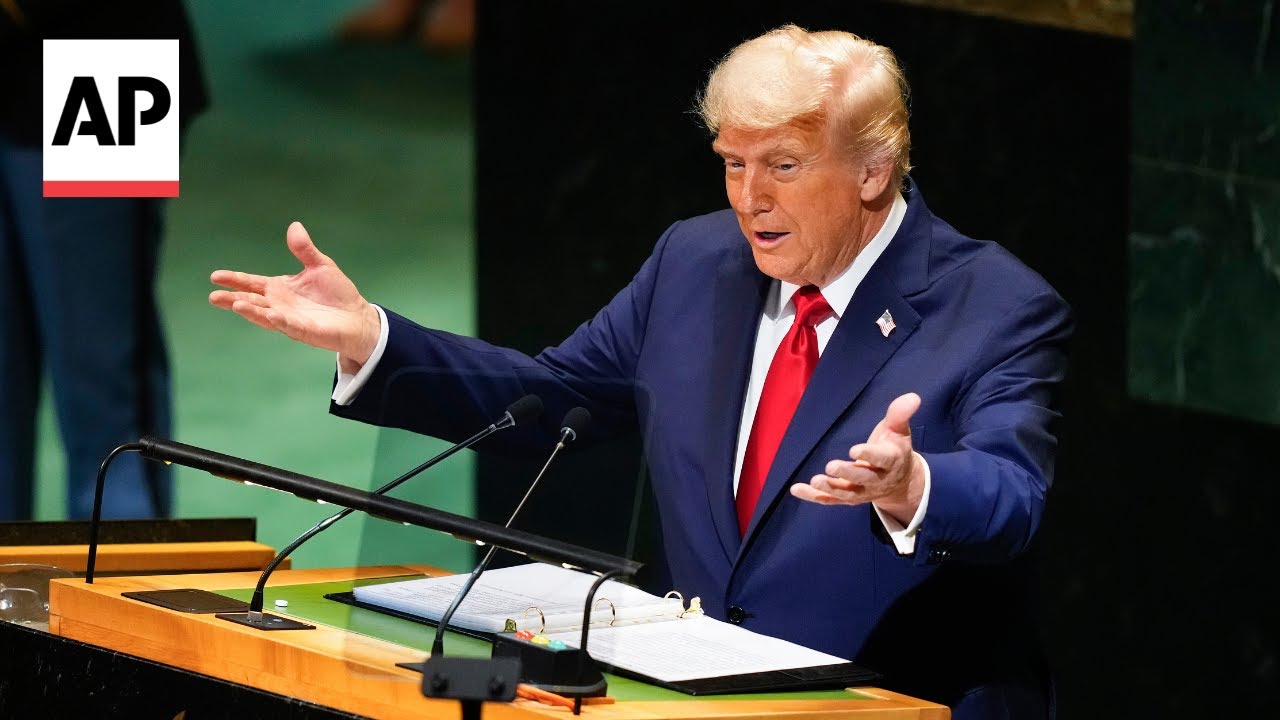
Understanding the relationship between former President Donald Trump and the United Nations (UN) is critical for comprehending recent shifts in international diplomacy. The UN, a global organisation aimed at fostering international cooperation and maintaining peace, saw significant changes during Trump’s administration from 2017 to 2021. His approach to the UN reflected broader debates on nationalism, multilateralism, and global governance, making it a topic of wide interest and scrutiny.
Main Body
Trump’s tenure marked a distinct pivot away from traditional US engagement with the UN. He frequently vocalised his scepticism about the body, questioning the effectiveness and fairness of its institutions. In 2017, he notably threatened to cut funding to the UN, which he accused of being biased against Israel. This rhetoric culminated in the US withdrawing from the UN Human Rights Council in 2018, claiming the body was ‘a protector of human rights abusers’ rather than a credible body for promoting and protecting human rights.
One of the critical moments of his administration was his decision to withdraw from the Paris Agreement, which he termed as detrimental to the US economy. The agreement, a UN-linked pact aimed at combatting climate change, was strongly supported by previous administrations. Trump’s exit not only signified a departure from a pivotal international climate initiative but also raised questions about US leadership on global issues.
Conversely, Trump’s administration did find common ground with the UN, particularly concerning certain international security issues. His administration facilitated significant diplomatic efforts with North Korea and saw a partial thaw in relations, which was acknowledged by the UN Security Council. The dialogue aimed towards denuclearisation showcased a complex interplay between national interests and multilateral engagement.
Conclusion
As the world reflects on Trump’s impact on the UN, it becomes evident that his presidency brought a wave of transformation, both welcomed and contentious. While some of his policies seemed to galvanise nationalist sentiments, they simultaneously stirred upheaval within multilateral platforms. Looking ahead, the challenges posed during his administration continue to resonate, as the UN grapples with calls for reform and greater accountability. The increasing polarization surrounding the UN merits attention, as international leaders seek to navigate a path between fostering cooperation and adhering to national interests. For readers, the legacy of Trump’s policies may serve as a pivotal case study in understanding the future dynamics of the UN and global governance.