Introduction: The Significance of Trump’s UN Presence
Donald Trump’s involvement in the United Nations (UN) continues to capture global attention. As a former President of the United States, his influence on international policies and discussions remains a topic of significant interest. His past tenure at the UN was marked by a mixture of bold proclamations and contentious moments, shaping the discourse on issues such as climate change, trade, and global security. With Trump hinting at a potential run for the presidency in 2024, his recent activities at the UN are closely scrutinised by political analysts and the media alike.
Recent Developments at the UN
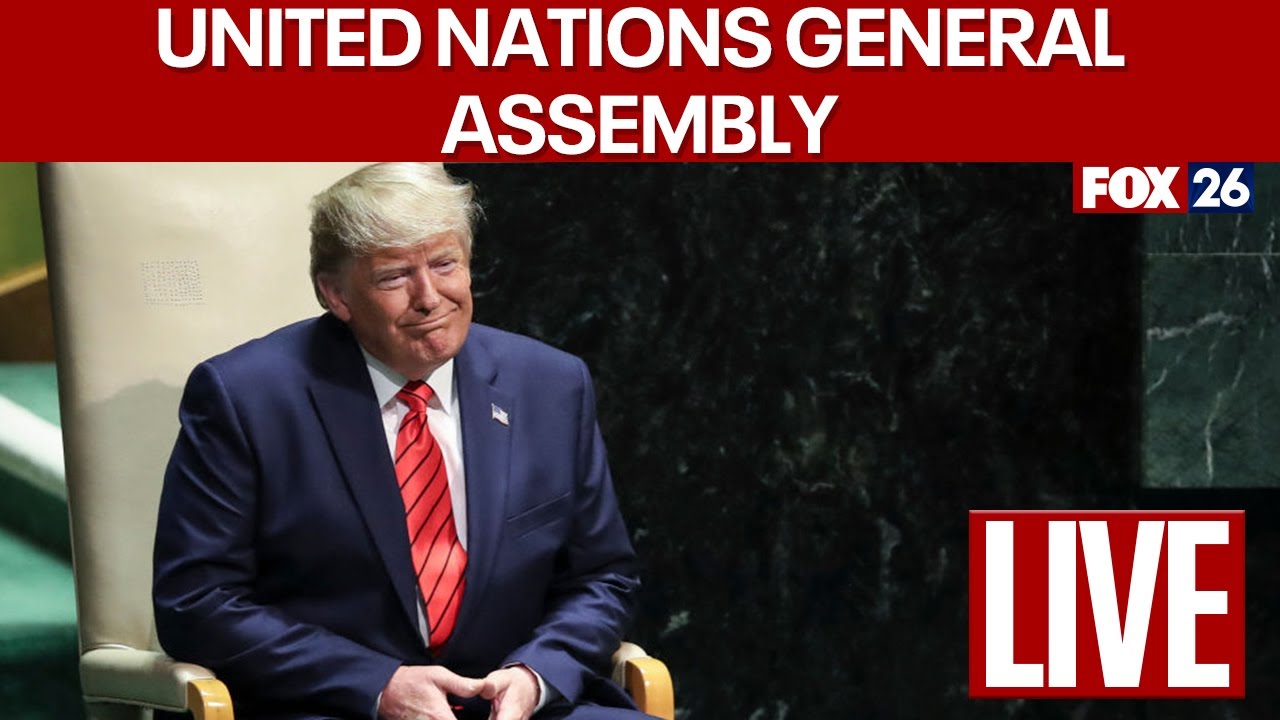
During the recent UN General Assembly in September 2023, Trump made headlines once again as he addressed the gathering, albeit not as a sitting President. In his speech, he touched on several topics that are pivotal to his political platform, including immigration, economic nationalism, and critiques of foreign leaders.
One of the most striking elements of his address was his focus on national sovereignty, where he reiterated his stance that countries should prioritize their interests above global commitments, echoing his “America First” policy from his presidency. This perspective has drawn both support and criticism from various quarters, reflecting the polarized views surrounding Trump’s political ideology.
Moreover, Trump’s remarks regarding the ongoing conflict in Ukraine were particularly noteworthy. He took a critical stance towards U.S. military aid to Ukraine, arguing that the funds should instead be directed towards improving infrastructure in America. This perspective aligns with his criticism of what he considers excessive foreign spending, resonating with his voter base that values domestic prioritisation.
Implications and Concluding Thoughts
As Trump continues to position himself as a frontrunner for the 2024 Republican nomination, his interactions at the UN serve as a barometer for how he aims to navigate the international political landscape. His ability to sway public opinion on global issues could shape electoral outcomes and influence party dynamics significantly. Analysts suggest that Trump’s approach may further polarize opinions on foreign policy within the U.S., as supporters embrace his nationalism while detractors warn of its potential ramifications on international relations.
In conclusion, Trump’s presence and rhetoric at the UN signal a possible return to a more isolationist approach in American foreign policy. As the global community observes these developments, the implications for international relations, U.S. alliances, and domestic politics remain profound. Trump’s actions at the UN could redefine American diplomacy as the world anticipates the next election cycle.