Introduction
As we move further into 2025, the ongoing evolution of the COVID-19 virus continues to raise concerns regarding symptoms and their impact on public health. Understanding these symptoms, alongside the emerging variants, is essential for both individuals and healthcare providers. As the virus mutates, it is crucial to stay informed about how it may affect the population and public health strategies.
Current Trends in COVID Symptoms
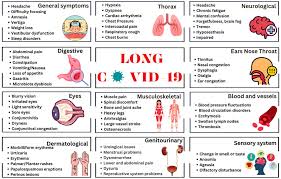
By 2025, health experts have noted a shift in the common symptoms associated with COVID-19, particularly with the emergence of new variants such as Omicron’s subvariants. Research conducted by the World Health Organization (WHO) indicates that while the classical symptoms like fever, cough, and shortness of breath still prevail, an unusual rise in gastrointestinal issues, skin rashes, and neurological symptoms has been observed.
According to a recent report from Public Health England, COVID positive patients have increasingly reported symptoms like nausea, vomiting, and abdominal pain as predominant signs of infection. Additionally, some patients experience neurological symptoms such as headaches, cognitive confusion, and loss of smell or taste even after recovery. These findings underline the evolving nature of the virus and its impact on different demographic groups.
Implications for Public Health
The shifting landscape of COVID symptoms necessitates an urgent response from public health authorities. Enhanced testing protocols and symptom checks have been recommended, especially with asymptomatic carriers still capable of spreading the virus. Vaccination campaigns are also adapting to include booster shots tailored for specific variants, with clinical trials ongoing to determine the efficacy of these vaccines against the latest strains.
Furthermore, public health messaging is vital. The emphasis is now on informing people about the obscure symptoms associated with COVID-19, urging them to seek testing even if they do not experience the traditional symptoms. Health agencies are preparing information resources to help educate communities on recognizing these less common symptoms.
Conclusion
As we progress further into 2025, the evolution of COVID-19 and its symptoms highlights the importance of vigilance and adaptability in public health strategies. The emergence of new symptoms calls for continued research, public health campaigns, and timely medical responses to curb the spread of the virus effectively. Individuals should stay aware of changing symptom patterns and seek medical advice whenever necessary, ensuring they play an active role in managing their health and the health of those around them.