Introduction: The Significance of Fed Rate Cuts
Federal Reserve rate cuts are critical financial tools used to influence monetary policy, aimed at stimulating economic growth, especially during periods of economic downturns. The potential for rate cuts generates significant interest among investors, consumers, and policymakers, as they can lower borrowing costs, encourage spending, and boost confidence in the economy. Following the recent cuts, many are evaluating their effects on various sectors, including housing, consumer finance, and the stock market.
The Recent Federal Reserve Action
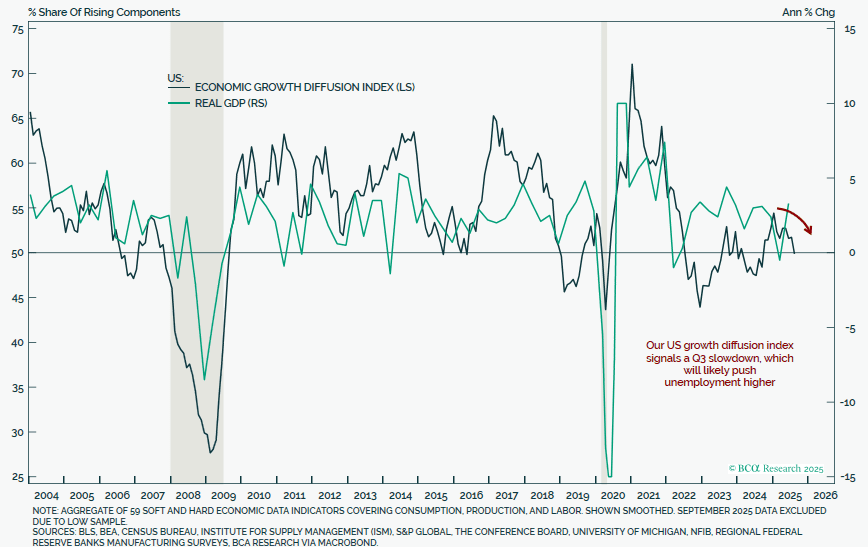
In September 2023, the Federal Reserve announced a reduction in interest rates for the third time this year, lowering the benchmark rate by 25 basis points to a range of 4.75% to 5.00%. This decision came amidst growing concerns over slowing economic growth and persistent inflation, which, although moderating, remains above the Fed’s target of 2%. Analysts noted that a series of rate cuts is intended to relieve the pressure on consumers and businesses, encouraging borrowing, spending, and investment, while also providing some support to the housing market, which has faced significant challenges.
Impact on Different Economic Sectors
Lower interest rates typically lead to lower mortgage rates, which can reignite activity in the housing market. According to recent reports, mortgage applications increased by 7% following the announcement, showing that potential homebuyers are taking advantage of better lending conditions. Additionally, businesses are likely to find it cheaper to finance expansions or investments. On the consumer front, rates cuts might result in lower credit card interest rates and personal loans, increasing disposable income and consumption.
Market Reactions and Future Outlook
Financial markets reacted positively to the rate cuts, with major stock indices experiencing gains in the days that followed. Investors see the rate cuts as a sign of support for economic recovery, encouraging more aggressive investment strategies. However, economists warn of the potential risks associated with prolonged low interest rates, such as increased inflation and asset bubbles. As ongoing discussions about additional cuts continue, it’s crucial for stakeholders to remain cognizant of the delicate balance the Fed must maintain between stimulating growth and managing inflation.
Conclusion: What This Means for the Future
The recent Fed rate cuts signify a pivotal move in addressing both economic growth and inflation concerns, and the implications are profound for consumers, businesses, and the overall market. While initial responses indicate positivity, the broader economic landscape in the coming months will reveal the true effectiveness of these cuts. Stakeholders are advised to monitor future Fed meetings and economic indicators closely to navigate the changing financial terrain intelligently.