Introduction to Flood Warnings
The recent surge in extreme weather events across the UK highlights the critical importance of flood warnings. With rising rainfall levels and unpredictable weather patterns, these alerts have become essential for public safety, allowing communities time to prepare and respond to potential flooding. Understanding how flood warnings work, their classifications, and their significance is crucial for every resident in flood-prone areas.
The Current Situation
As of October 2023, the UK has experienced several severe weather events, leading to multiple flood alerts issued across various regions. The Environment Agency (EA) has reported increased rainfall across England, prompting heightened concerns about river and surface water flooding. In addition, recent storms have resulted in some areas, including parts of Yorkshire and South Wales, receiving yellow weather warnings, indicating possible localised flooding.
The EA categorises flood warnings into three types: Flood Alerts, Flood Warnings, and Severe Flood Warnings. Each category indicates different levels of risk and the urgency required in response. Flood Alerts advise residents to prepare for potential flooding, while Flood Warnings are more serious and indicate that flooding is expected. Severe Flood Warnings, though less common, indicate a significant threat to life and require immediate action.
Community Impact and Preparedness
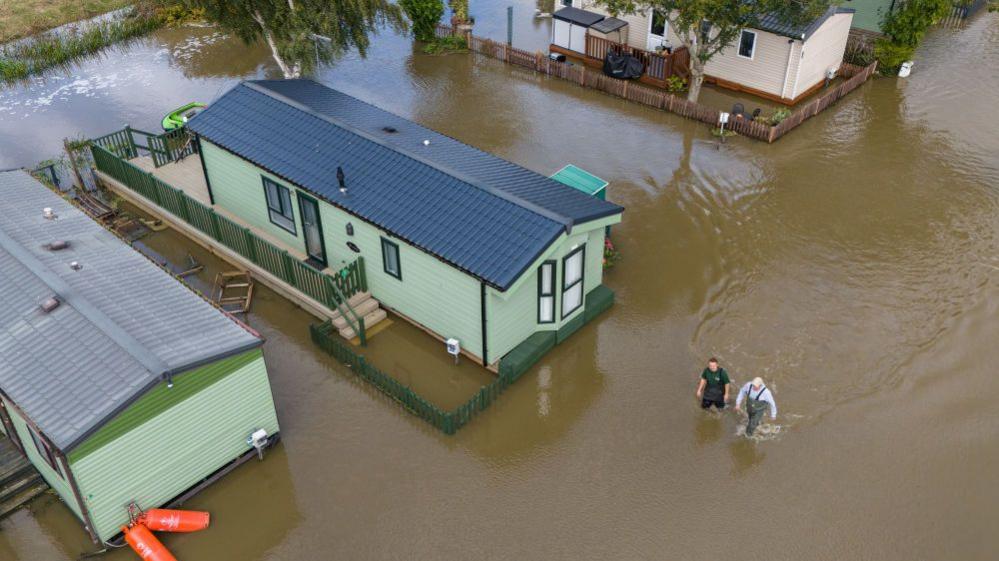
The impact of flooding can be devastating, resulting in loss of property, displacement, and disruption to local services. Recent statistics show that flooding has caused millions of pounds worth of damage in the UK over the past few years. For this reason, local councils and emergency services regularly disseminate flood warnings through various channels, including local radio, social media, and community alert systems.
Residents are urged to sign up for alerts through the EA’s Flood Warning Information Service, which provides timely updates based on their specific locations. Practical steps like creating an emergency kit and having a flood plan in place can significantly reduce risks and damages when warnings are issued.
Conclusion and Future Outlook
The situation with flood warnings in the UK serves as a reminder of the critical need for preparedness and responsiveness in the face of climate change-related extreme weather. As the environment continues to evolve, the frequency and intensity of such warnings are expected to increase, reinforcing the importance of staying informed.
In conclusion, the responsibility lies with both authorities and residents to take flood warnings seriously and to implement preventative measures. Observing updates from trusted sources, maintaining communication with neighbours, and ensuring local preparedness plans are in place can mitigate the effects of flooding, ultimately preserving lives and property.