Introduction
Government borrowing has become a significant topic of discussion in recent months as the UK navigates economic challenges stemming from the COVID-19 pandemic, inflationary pressures, and energy crises. With increasing pressures on public finances, understanding the landscape of government borrowing is critical to grasping the implications for fiscal policy and future economic stability.
The Current State of Government Borrowing
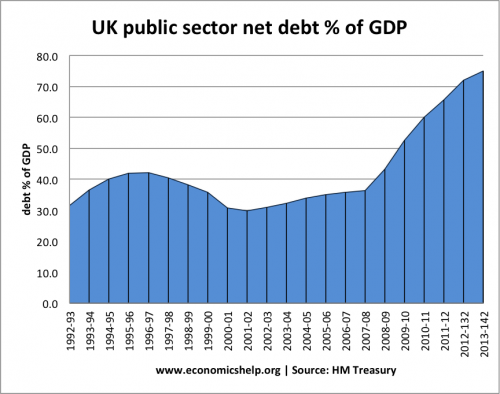
As of September 2023, the UK government reported net borrowing of £27.4 billion, which is £2 billion less than the same month last year. This figure includes the borrowing required to meet the ongoing costs of public services and economic support in a recovering post-pandemic environment. The Office for National Statistics (ONS) highlighted that the total government debt now stands at approximately £2.5 trillion, equivalent to around 98.5% of GDP.
Economic Context
The current borrowing levels are shaped by various factors, including the rising costs of living and significant increases in interest rates. The Bank of England’s recent decisions to raise interest rates aim to combat inflation, which has seen prices rising sharply in the past year. These interest rate hikes further complicate the government’s borrowing strategy, as they increase the costs associated with servicing existing debt.
Government Strategies and Future Implications
The UK Treasury has laid out plans to bring borrowing down while maintaining essential public services. Chancellor Jeremy Hunt has stated that reducing the deficit and restoring fiscal sustainability is paramount for the government. This involves a mix of tax adjustments and strategic cuts to non-essential public spending. However, economists warn that aggressive austerity measures could hinder economic growth and recovery.
Conclusion
The landscape of government borrowing in the UK remains complex and dynamic amid evolving economic conditions. As public debt approaches historic highs, the importance of prudent fiscal policy cannot be overstated. The measures taken in the coming months will be critical not only for recovery but also for the long-term financial health of the nation. For citizens, understanding how government borrowing affects public spending and services is essential, as decisions made today will impact the UK’s economic trajectory for years to come.