Introduction
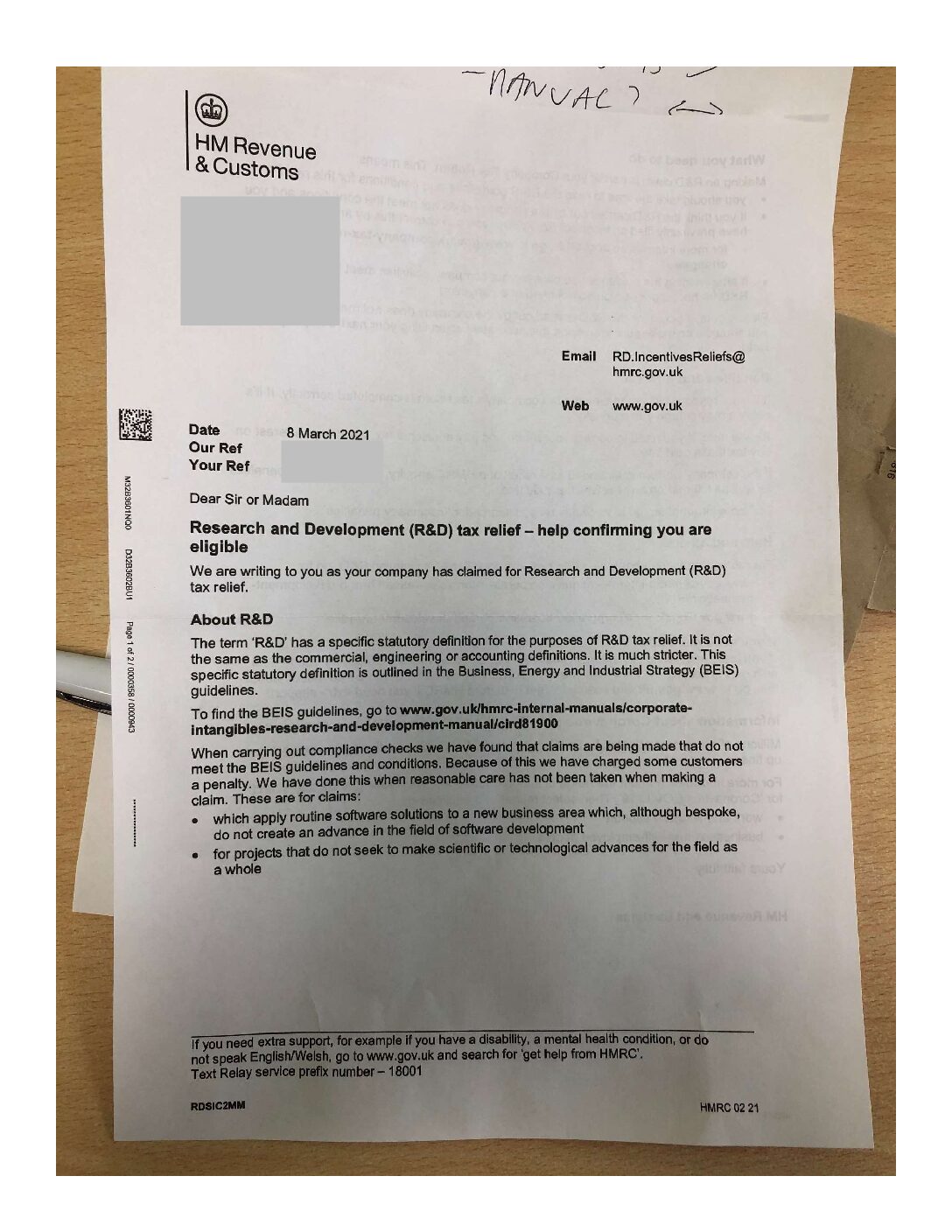
The HM Revenue and Customs (HMRC) plays a crucial role in the United Kingdom’s economy as the government department responsible for tax collection, payment of some forms of welfare, and enforcement of the National Minimum Wage. Its ongoing developments and updates are essential for individuals and businesses to understand, especially in light of the changing economic landscape post-pandemic.
Recent Developments in HMRC
As of October 2023, HMRC has introduced several new measures aimed at improving compliance and efficiency. These include a significant expansion of its digital services to allow for easier submission of tax returns and management of accounts for individuals and businesses alike. One notable change is the transition to the Making Tax Digital (MTD) initiative, which mandates that VAT-registered businesses use MTD-compatible software for their VAT submissions. This move is designed to simplify the tax process and improve accuracy, thereby reducing the likelihood of errors and tax evasion.
Implications for Taxpayers
For the average taxpayer, the changes brought forth by HMRC mean that it’s increasingly important to stay informed about digital requirements and deadlines. Failure to comply with the new regulations can result in penalties. Taxpayers are encouraged to make full use of HMRC’s online resources, which provide guidance on how to adapt to these changes. Moreover, the department has reiterated its commitment to tackling tax fraud, indicating that non-compliant individuals may face increased scrutiny. The HMRC has also ramped up audits and investigations, focusing particularly on sectors most vulnerable to fraud.
Conclusion
The role of HMRC as a central player in the UK’s economic framework cannot be overstated, particularly with its evolving functions aimed at modernising tax collection and compliance. As HMRC continues to push for a more digital and transparent approach, it is vital for taxpayers to remain proactive in understanding their obligations. Enhanced education and awareness among the public will not only facilitate compliance but will also contribute to a fairer tax system. Looking forward, HMRC’s influence on economic policy and tax reform will likely continue to grow, making it essential for both individuals and businesses to adapt to ongoing changes.