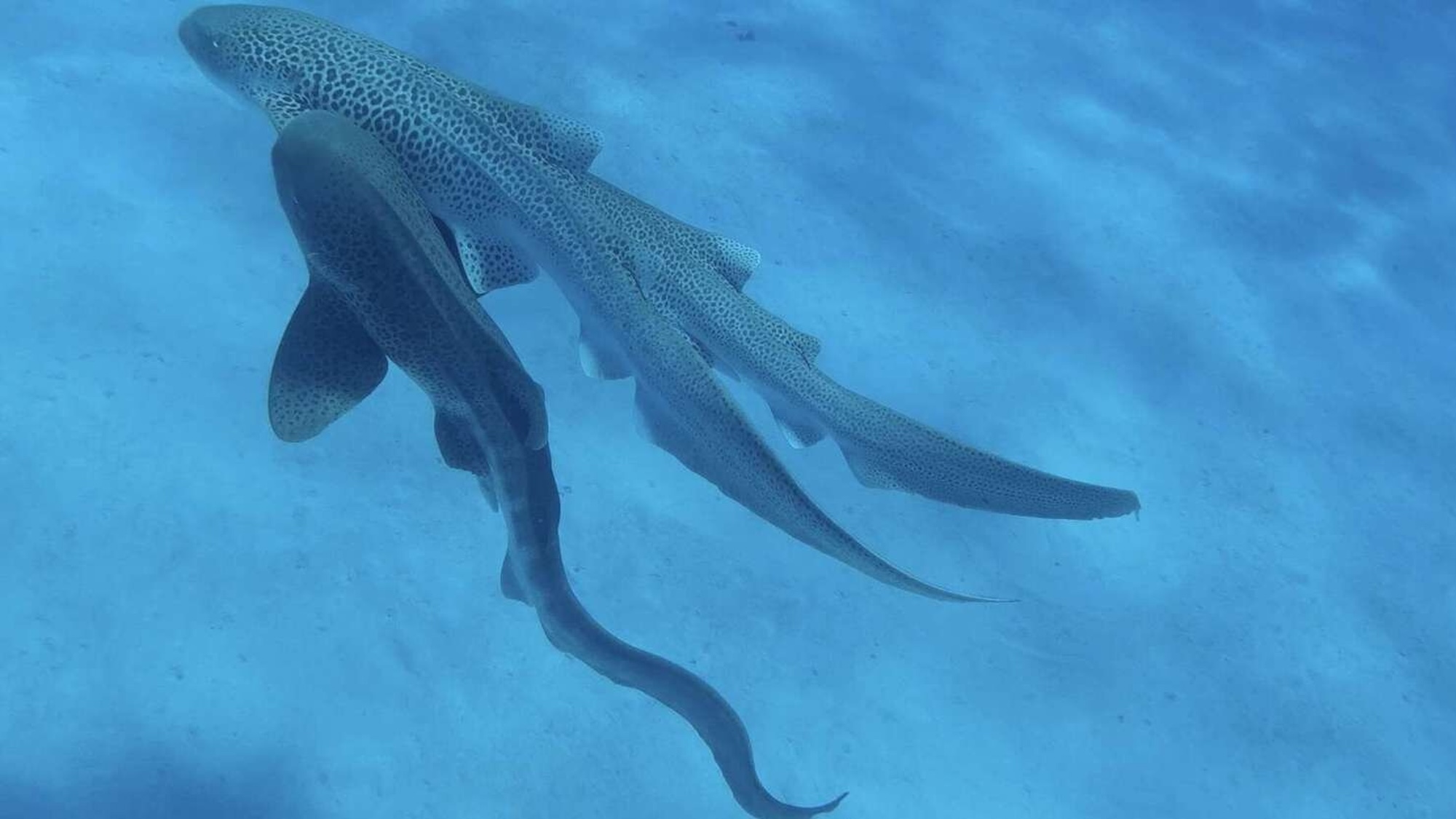
The Importance of Studying Leopard Shark Mating
Leopard sharks, known scientifically as Triakis semifasciata, are a vital part of the marine ecosystem along the Pacific coast of North America. Understanding their mating habits is essential for marine biologists, conservationists, and enthusiasts alike, as it provides insights into the health of oceanic environments and the species’ future.
Leopard Shark Mating Season and Behaviour
Leopard sharks typically enter their mating season during the late spring months, around May to July, when warmer waters encourage courtship behaviour. These sharks are known for their unique mating ritual, which involves the male biting the female’s fins and sides to initiate copulation. This courting behaviour can be quite violent, but it is crucial for the mating process.
Breeding and Nursery Habitats
After mating, the female leopard sharks undergo a gestation period of approximately 9 to 12 months. Unlike many other shark species, leopard sharks are ovoviviparous, meaning that the young develop inside eggs that hatch within the female’s body, resulting in live births. The pups are born in shallow nursery areas, typically estuarine environments, where they can grow and develop safely away from larger predators.
Conservation and Threats
Despite their adaptability, leopard sharks face threats from overfishing and habitat degradation. As popular targets for recreational fishing, their populations may experience fluctuations. Conservation efforts are essential to ensure that their mating habitats remain protected, enabling them to thrive and reproduce successfully.
Conclusion: The Significance of Leopard Shark Mating
Understanding leopard shark mating is not just an exploration of their biological processes; it is critical to the broader implications for marine conservation. As these sharks are indicators of marine ecosystem health, enhancing our knowledge about their reproductive behaviours can aid in developing more effective conservation strategies. Continued research will bolster the protection of leopard sharks, ensuring that these essential marine animals remain a vibrant part of ocean ecosystems for future generations.