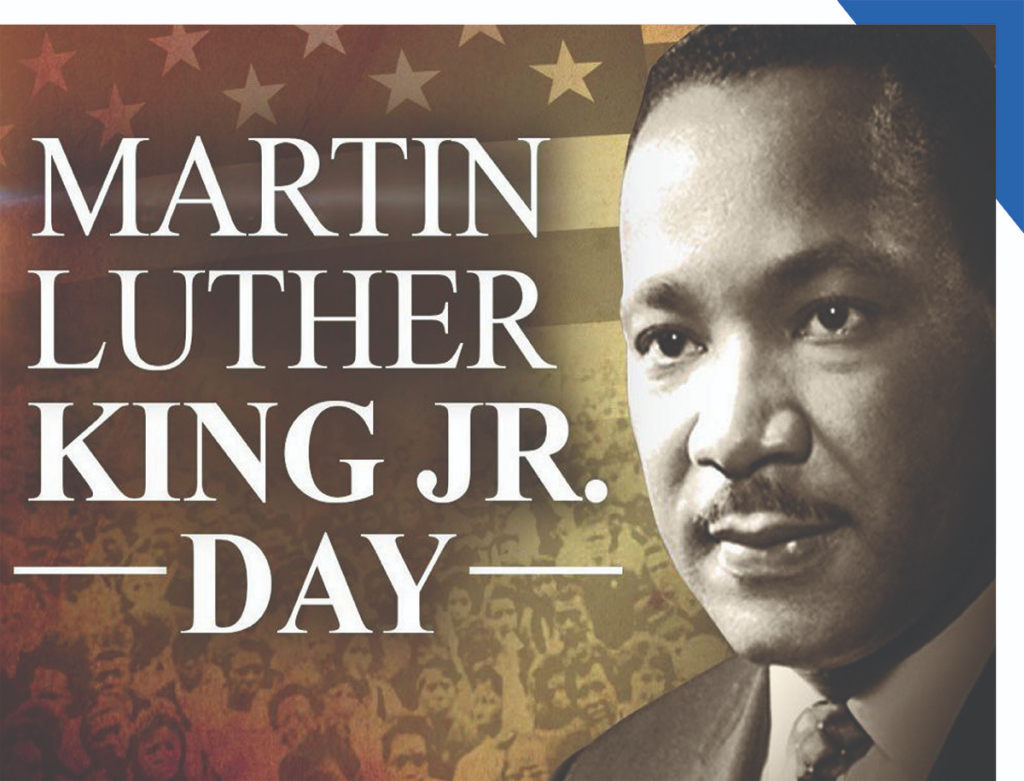
Introduction to Martin Luther King Day
Martin Luther King Day, observed annually on the third Monday in January, holds great significance in the United States as it celebrates the life and legacy of the civil rights leader Martin Luther King Jr. Recognised as a federal holiday since 1983, it serves as a reminder of the ongoing struggle for equality and justice in American society.
The Legacy of Martin Luther King Jr.
Born on January 15, 1929, King played a pivotal role in the American civil rights movement, advocating for nonviolent protest against racial segregation. His leadership during key events such as the Montgomery Bus Boycott and the March on Washington, where he delivered his iconic ‘I Have a Dream’ speech, catalysed monumental changes in laws and attitudes towards civil rights. King’s work culminated in the Civil Rights Act of 1964 and the Voting Rights Act of 1965, which were instrumental in dismantling systemic racism.
Observances and Activities
Each year, Martin Luther King Day is more than just a day off work; it is a day of reflection, service, and community engagement. Many Americans honour King’s legacy through participation in community service projects, educational programs, and commemorative events. The day encourages individuals to volunteer and improve their communities, aligning with King’s vision of helping others and fostering social justice.
Schools, organizations, and civic groups often hold special events, including discussions about civil rights, anti-racism workshops, and performances celebrating King’s contributions. Certain cities also host parades and public gatherings dedicated to spreading awareness of racial equality and justice issues.
The Significance of Martin Luther King Day Today
In contemporary society, Martin Luther King Day stands as a critical reminder of the ongoing struggle for civil rights. Despite significant progress made since King’s time, many issues, such as racial inequality and discrimination, continue to permeate various aspects of American society. Celebrating this day offers a moment for reflection on what has been achieved and what remains to be done.
Conclusion
Martin Luther King Day encourages individuals to engage in acts of service, understand the history of civil rights, and contemplate their role in fostering a more equitable society. As we observe this important day, it is crucial to renew our commitment to equality and justice for all, upholding the legacy of Martin Luther King Jr. and continuing the fight against racial injustice.