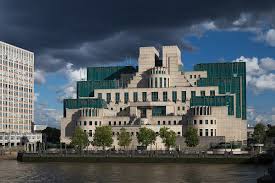
Introduction to MI6
MI6, formally known as the Secret Intelligence Service (SIS), plays a crucial role in the United Kingdom’s national security framework. Established in 1909, MI6 is tasked with gathering foreign intelligence to support the government in protecting the country from potential threats and espionage. As global instability increases, the significance of MI6’s operations has become even more paramount, shaping its response to contemporary challenges including terrorism, cyber threats, and geopolitical tensions.
Current Role and Operations
In recent years, MI6 has adapted its strategies to address changing security concerns. The service now focuses on several key areas including counter-terrorism, cyber intelligence, and the monitoring of hostile state activities. For instance, MI6 has enhanced its collaboration with international partners to track and counter-terrorism activities that may have cross-border implications. According to reports, MI6 played a pivotal role in foiling multiple terrorist plots in collaboration with agencies such as the FBI and Counter Terrorism Policing.
Furthermore, with advances in technology, MI6 has invested in cyber capabilities to defend the UK’s cyber infrastructure against malicious attacks from state and non-state actors. The increase in digital threats has prompted the agency to recruit specialists in cyber warfare and data analysis, reflecting the changing landscape of modern espionage.
Recent Developments and Challenges
MI6’s Chief, Richard Moore, has publicly acknowledged the growing threats posed by nations like Russia and China. In his recent remarks, he highlighted the service’s focus on countering hostile state activities that seek to undermine British interests. Intelligence assessments indicate an uptick in aggressive espionage techniques used by foreign powers, prompting MI6 to adopt a proactive stance in intelligence gathering and analysis.
Additionally, MI6 faced the challenge of maintaining public support and trust. Recent transparency initiatives have aimed at improving the agency’s image and ensuring accountability in its operations. Despite the secretive nature of its work, there has been a push for more open discussions regarding the agency’s functions and the ethical implications of intelligence work.
Conclusion
As the global security environment continues to evolve, MI6 remains a cornerstone of the UK’s defence strategy. The agency’s ability to adapt to new threats while maintaining the balance between security and public accountability will be crucial. Looking ahead, collaboration with international partners and advancements in technology will likely shape the future operational frameworks of MI6. For citizens, understanding the role of MI6 not only highlights the importance of national security but also fosters a sense of collective responsibility in the face of modern security threats.