Introduction
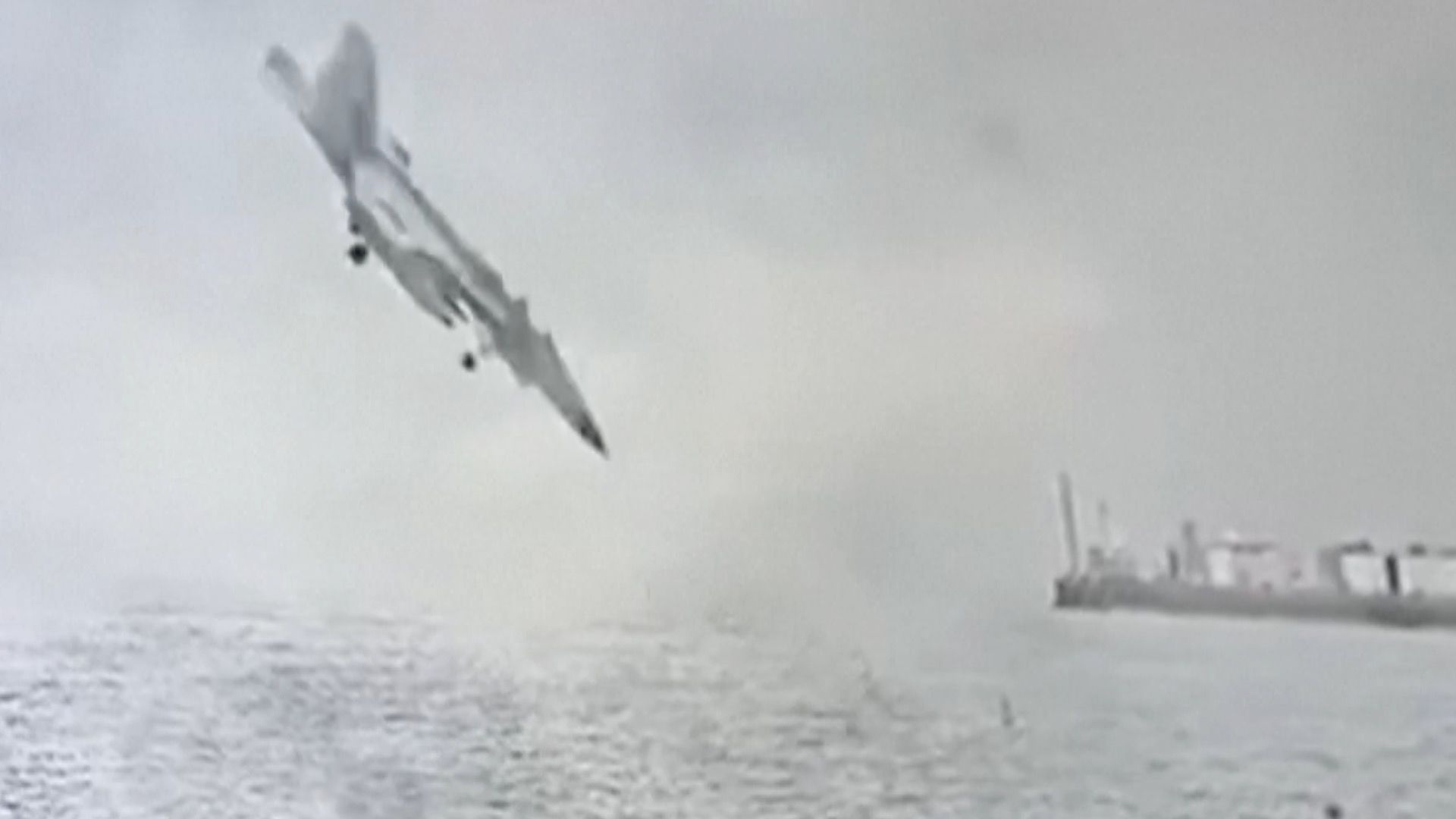
The safety of military aviation has increasingly come under scrutiny following a series of recent fighter jet crashes around the globe. These incidents raise critical questions about pilot training, aircraft design, and operational protocols, highlighting their relevance in both military strategy and public safety. With military expenditures rising globally, understanding the causes and consequences of such crashes is essential for informed discussions on defence and aviation safety.
Recent Incidents
In the past few months, several notable crashes have been reported. In January 2023, a US Air Force F-15 fighter jet crashed during a training exercise in Nevada. Fortunately, the pilot successfully ejected and sustained only minor injuries. The investigation revealed issues related to pilot error and adverse weather conditions as contributing factors.
Similarly, in March, a British Royal Air Force (RAF) Typhoon fighter jet met with a tragic fate during a routine training mission off the coast of Scotland. The aircraft reportedly experienced mechanical failure, leading to its crash in the North Sea. Rescue operations managed to recover the pilot, who was treated for hypothermia but otherwise unharmed. This incident has led to calls for rigorous evaluations of aircraft maintenance protocols in the RAF.
Possible Causes and Consequences
Each of these incidents compounds growing concerns regarding the operational status of fighter jets in service. Critical analyses point to several common factors: aging aircraft, the stress of high-speed aerial maneuvers, and the psychological toll of combat training. Furthermore, the growing complexity of aviation technology presents new challenges in maintaining pilot competency.
The implications of these crashes extend beyond immediate safety concerns. They can affect military readiness and public perception, raising doubts about the efficacy of air forces in currently volatile geopolitical climates. Additionally, each incident often results in expensive investigations and prolonged periods of operational pause for specific models, disrupting training programmes and scheduled missions.
Conclusion
As the frequency of fighter jet crashes appears to be on the rise, it is crucial for military organisations worldwide to prioritise safety protocols and pilot training programmes. Future efforts should focus on thorough investigations of each incident to implement lessons learned and avoid similar occurrences. With advancements in technology, developing safer design standards will also play a significant role in mitigating risks. As public scrutiny grows, the defence sector must act decisively to address the myriad challenges it faces in ensuring not only the safety of its personnel but also the effectiveness of its operations.