Introduction
As severe weather patterns become more frequent and unpredictable due to climate change, understanding severe thunderstorm warnings is crucial for public safety. These warnings, issued by the National Weather Service, signify potentially hazardous conditions that can lead to damaging winds, hail, and heavy rainfall.
Current Severe Thunderstorm Warnings
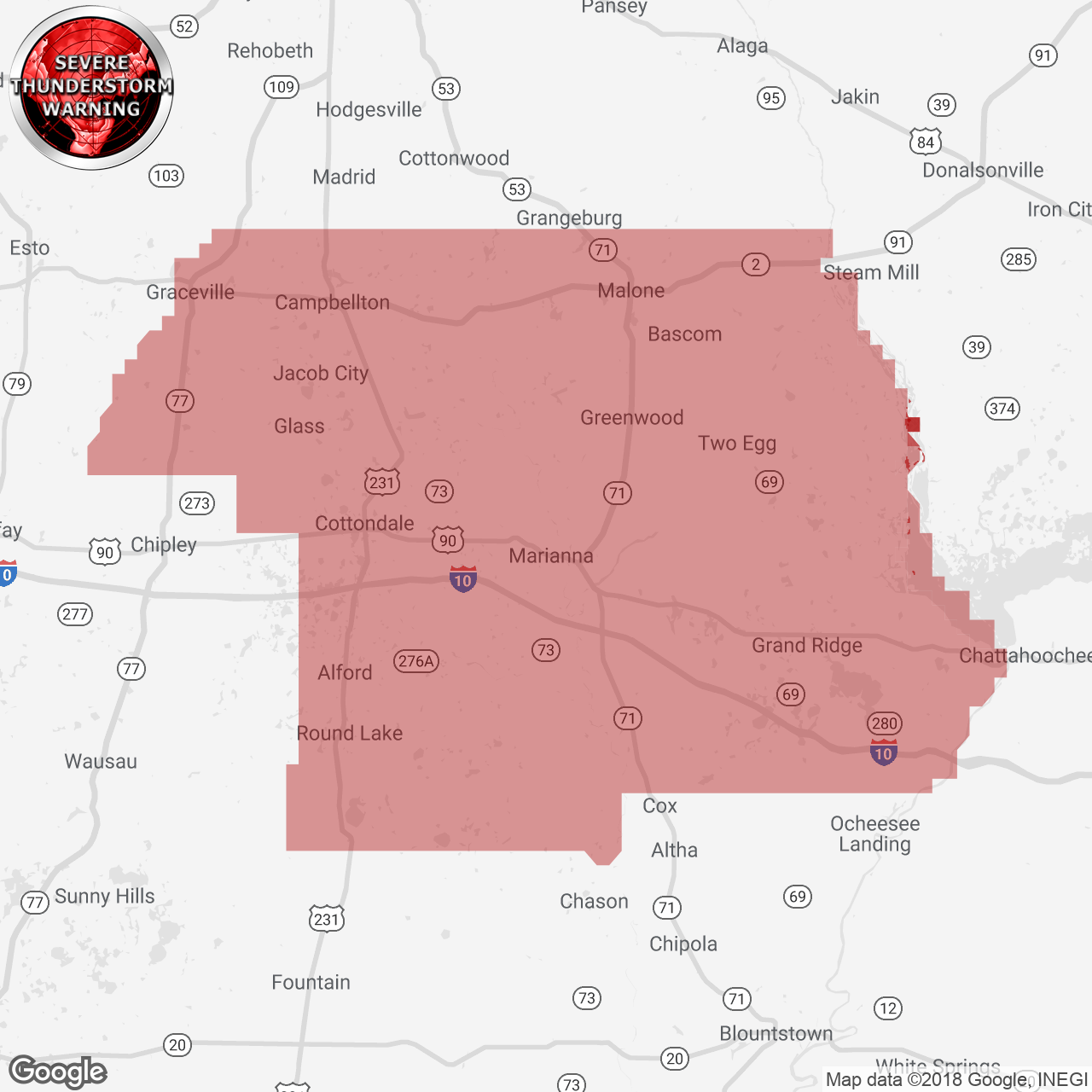
Recently, numerous areas in the Midwest and Southeast of the United States have been under severe thunderstorm warnings as a series of storms have developed in a fast-moving front. According to the National Weather Service, these storms have produced wind gusts exceeding 70 mph in some regions, leading to downed trees and power lines, causing power outages for thousands. The storms also bring the potential for large hail and flash flooding.
For example, in Illinois, the city of Peoria reported significant hail damage to vehicles and homes, while neighboring areas experienced gusty winds that left communities in darkness for hours. Authorities have urged residents to stay indoors during such warnings and to monitor local alerts via radio, phone apps, and weather websites.
Why Severe Thunderstorm Warnings Matter
Severe thunderstorm warnings are vital tools for safety and preparedness. They allow individuals and communities to take proactive measures, such as seeking shelter, securing outdoor items, and preparing emergency kits. Historically, regions that effectively communicate and heed these warnings have shown lower rates of injury and damage during severe weather events.
Forecasts and Future Outlook
Looking forward, meteorologists predict an ongoing pattern of severe weather as seasonal transitions approach. The combination of warmth and moisture from the Gulf of Mexico with cold fronts moving south are likely to exacerbate these conditions. Residents in frequently impacted areas are advised to remain vigilant and keep track of updates as the storm season progresses.
Conclusion
Being informed about severe thunderstorm warnings is essential for ensuring personal safety and minimizing property damage. By understanding the significance of these alerts and remaining prepared for sudden weather changes, individuals can protect themselves and their communities effectively.