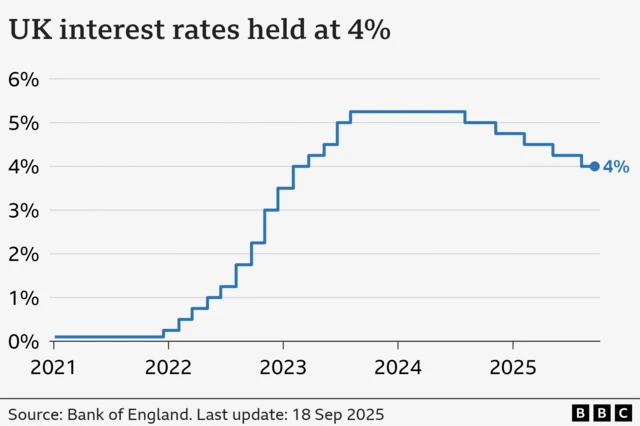
The Importance of the Bank of England Base Rate
The Bank of England (BoE) base rate is a critical monetary policy tool that influences interest rates across the UK economy. Set by the Monetary Policy Committee (MPC), the base rate determines the cost of borrowing and the return on savings, making it a key factor in financial planning for both individuals and businesses. Recent fluctuations in this rate have heightened interest among economists, policymakers, and the general public, particularly in light of ongoing economic challenges.
Recent Developments
As of October 2023, the Bank of England has maintained its base rate at 5.25%, a decision made during the MPC’s latest meeting aimed at addressing inflationary pressures. This rate represents a strategic response to the UK’s persistent inflation, currently hovering around 6.5%, which exceeds the BoE’s target of 2%. The MPC has highlighted the complex interplay of global market conditions, supply chain disruptions, and increased consumer prices as factors contributing to this inflationary environment.
Despite concerns about rising costs, analysts seem divided on the effectiveness of maintaining a high base rate. Some economists argue that higher interest rates can stifle spending and investment, curbing economic growth. Conversely, others believe that it is necessary to control inflation, which can undermine financial stability if left unchecked. The BoE has reiterated its commitment to aiming for price stability, suggesting that further rate adjustments may be on the horizon depending on inflation trends and economic performance.
Impacts on Consumers and Businesses
The decisions surrounding the base rate directly influence mortgage rates, personal loans, and savings accounts, having a profound effect on消费者financial decisions. Homeowners with variable-rate mortgages are currently facing higher repayment costs, while savers might benefit from increased interest on deposits. As borrowing costs rise, businesses may also reconsider their investment plans, potentially slowing down economic growth.
Looking Ahead
With the BoE facing a balancing act between managing inflation and supporting economic growth, future changes to the base rate will be closely observed by markets and consumers alike. Speculation surrounds whether the MPC will opt for further rate hikes in the coming months, particularly if inflation fails to show signs of significant decline.
Conclusion
The Bank of England base rate serves as a pivotal anchor for the UK’s economy, influencing everything from household finances to business investments. As we move forward, understanding the potential implications of rate changes will be essential for consumers and businesses navigating this evolving economic landscape. Keeping abreast of BoE announcements and market analyses will be crucial for strategic financial planning.