Introduction
The Central Line is one of the busiest and most essential routes in the London Underground network, providing vital connections across the city. Spanning from West to East London, it plays a crucial role in facilitating the daily commute for thousands of passengers, highlighting its importance in urban transport. Recent developments and challenges have brought the Central Line back into the spotlight, making it relevant for both local residents and visitors.
Current Developments
In 2023, the Central Line has undergone significant upgrades aimed at improving efficiency and passenger experience. Transport for London (TfL) announced a multi-million-pound investment focusing on modernising infrastructure, including upgraded signalling systems. The improvements are designed to increase train frequency, reducing waiting times during peak hours, which is anticipated to enhance service reliability.
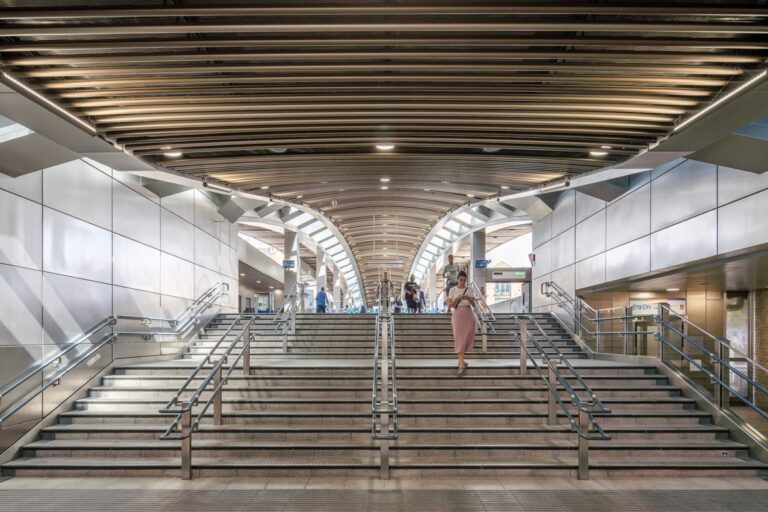
Moreover, the ongoing works in connection with the Elizabeth Line have impacted the Central Line, providing additional interconnectivity for passengers. New connections at important interchange stations, such as Tottenham Court Road, are set to streamline travel across central London, enabling faster journeys and greater accessibility. This integration is crucial as London continues to recover from the effects of the COVID-19 pandemic.
Impact on Commuters
The Central Line serves an array of communities, connecting key districts such as Oxford Circus, Holborn, and Stratford. Local businesses and educational institutions depend heavily on the footfall generated by reliable transport links. Consequently, any disruptions or improvements to the Central Line directly influence local economies and daily life.
Commuters have noticed a positive shift as new trains are introduced to replace the older stock. Passengers can expect greater comfort and frequency, although temporary disruptions for upgrades have raised concerns about overcrowding. TfL is actively addressing these issues by conducting extensive passenger surveys to ensure that the changes meet the needs of those who rely on the service.
Conclusion
As the heart of East-West connections in London, the Central Line remains a pillar of the city’s transport infrastructure. The recent enhancements and ongoing developments not only boost the efficiency of the Central Line but also support the broader vision of a modern, integrated transport system in London. As we look to the future, continued investment and improvements are likely to secure the Central Line’s reputation as a vital transportation route, shaping the commuting experience for generations to come. The significance of the Central Line is undoubted; it will continue to be at the forefront of London’s evolution as a cosmopolitan city.