Introduction
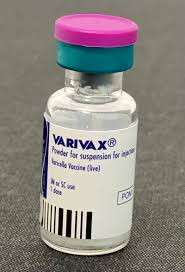
The chicken pox vaccine, also known as the varicella vaccine, has become a significant element in public health strategies worldwide. It has greatly reduced the incidence of chicken pox, a highly contagious viral infection that primarily affects children. Understanding the importance of this vaccine is essential for parents, caregivers, and individuals considering vaccination for themselves or their children.
The Chicken Pox Vaccine: Background and Statistics
The chicken pox vaccine was first licensed for use in the United States in 1995. Since then, the rates of chicken pox cases have decreased by over 90%, highlighting the vaccine’s effectiveness. According to the NHS, even though chicken pox is typically a mild illness, it can lead to serious complications, such as pneumonia and encephalitis, particularly in newborns and people with weakened immune systems. The chicken pox vaccine, administered in two doses, is currently recommended for all children, with the initial dose typically given around the age of one and a second dose between ages four and six.
Benefits of the Chicken Pox Vaccine
Vaccination not only protects the individual from chicken pox but also contributes to herd immunity, meaning that when a sufficient portion of the population is vaccinated, it helps protect those who cannot be vaccinated, such as infants or those with certain health conditions. Furthermore, studies indicate that vaccinated individuals who do contract chicken pox experience milder symptoms. Consequently, the vaccine can reduce the likelihood of severe illness and hospitalisation.
Current Recommendations and Global Response
The World Health Organization (WHO) recommends the chicken pox vaccine as part of the immunisation schedule in numerous countries. Recent vaccination campaigns and initiatives have resulted in significant changes in health policies, demonstrating a global commitment to eliminate varicella entirely. In the UK, the vaccine is available through private healthcare providers, as chicken pox is not part of the standard childhood immunisation programme.
Conclusion
In conclusion, the chicken pox vaccine is a crucial tool in preventing the spread of the varicella-zoster virus. Its widespread implementation has resulted in lower incidence rates and a decrease in complications associated with the disease. As global public health initiatives continue to advocate for vaccination, parents and guardians are encouraged to consider the benefits of the chicken pox vaccine for their children. Staying informed and working with healthcare professionals can help ensure the health and safety of individuals and communities at large.