Introduction
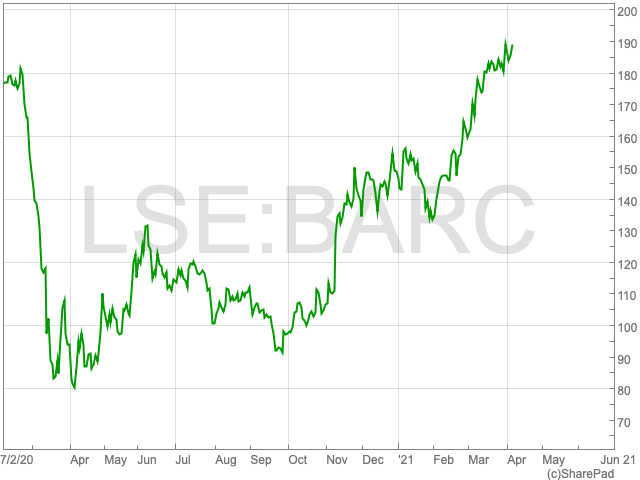
The share price of Barclays, one of the leading British multinational investment banks and financial services companies, plays a crucial role in the stock market and the broader economy. With recent fluctuations attributed to various economic factors, understanding the trends in Barclays’ share price is essential for investors and market analysts alike. In the backdrop of changing market conditions, examining these updates can provide valuable insights.
Barclays Share Price Trends
As of late October 2023, Barclays’ share price has experienced significant volatility, echoing trends seen across the global markets. Currently, the share is trading at approximately £1.85, reflecting a moderate increase of about 2% from the previous week. Analysts have attributed this rise to a combination of improved investor sentiment following the recent UK interest rate decisions and a strong quarterly earnings report released by the bank.
Barclays reported a 15% increase in net income, driven by robust performance in its investment banking division, especially in wealth management and trading. This has helped to bolster confidence among investors, resulting in a slight uptick in share prices. Furthermore, data released by the Bank of England indicating a stabilisation of the UK economy in Q3 2023 has positively influenced market perception.
Factors Affecting Share Price
Several external factors are influencing Barclays’ share price currently. Macroeconomic indicators such as inflation rates, employment numbers, and consumer confidence play a pivotal role. The continuing concerns regarding the global economic outlook amid elevated inflationary pressures and potential recessions in different regions have led to cautious trading. Additionally, geopolitical events, including changes in UK trade policies and relations with the EU, are also critical components affecting market behaviour.
Future Outlook
Looking ahead, Barclays’ share price may continue to experience fluctuations as it reacts to economic developments and investor sentiments. Analysts forecast that if the UK economy continues its current trajectory, there may be further recovery in share prices. However, potential risks remain, particularly if inflation persists or if the global economic landscape shifts unfavourably.
Conclusion
In conclusion, the Barclays share price reflects a microcosm of the broader market fluctuations influenced by various domestic and global factors. For investors, keeping a close eye on market trends, economic indicators, and Barclays’ financial performance will be essential. With a cautious yet optimistic outlook for the coming months, staying informed will allow stakeholders to make better investment decisions concerning Barclays and similar financial entities.