Introduction
Venezuela, once one of the wealthiest countries in South America, is now facing one of the most significant crises in its history. With rampant hyperinflation, widespread shortages of basic goods, and a political landscape fraught with instability, the importance of understanding Venezuela’s current situation cannot be overstated. As the country struggles to address these challenges, the implications are felt not just nationally, but across the region and the globe.
Economic Decline and Hyperinflation
Since the mid-2010s, Venezuela has been in a downward economic spiral, largely due to a drop in oil prices, which severely impacted the nation’s economy since it relies heavily on oil exports. In August 2023, the International Monetary Fund (IMF) projected inflation rates to exceed 700% for the year. This hyperinflation has led to impoverishment, as salaries fail to keep up with the soaring cost of living. Many Venezuelans struggle to afford basic necessities such as food, medicine, and other daily essentials.
Political Unrest
The political situation in Venezuela remains equally tumultuous. Observers note that the government, led by President Nicolás Maduro, faces challenges on multiple fronts, including rampant corruption, accusations of human rights abuses, and loss of legitimacy. In recent months, protests have erupted across the nation as citizens demand better living conditions, an end to the crisis, and fair elections. Opposition leaders have continued to call for change, but the government has responded with crackdowns, leading to a polarized society where fear and distrust are rampant.
Humanitarian Crisis
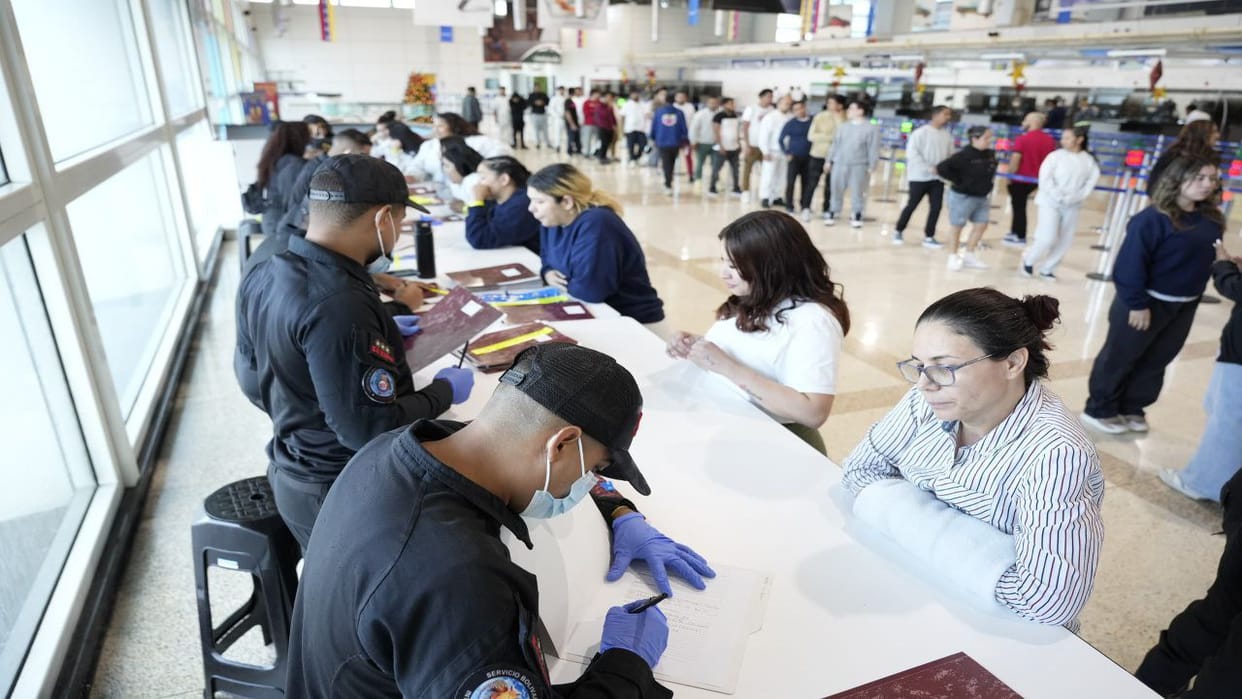
The economic and political turmoil has resulted in a severe humanitarian crisis, with millions fleeing the country in search of a better life. According to the United Nations, over 6 million Venezuelans have left the country, creating one of the largest migration crises in Latin America. Neighboring countries like Colombia and Brazil struggle to provide for the influx of refugees, which places pressure on their own resources and infrastructure.
Conclusion
The situation in Venezuela is a complex interplay of economic hardship, political unrest, and a severe humanitarian crisis. As international organizations and neighboring countries grapple with the implications of Venezuela’s challenges, it remains crucial for the global community to pay attention. Without significant intervention and support, the crisis is likely to deepen, with far-reaching effects that could redefine the region for years to come. The path forward requires cooperation, political will, and a commitment to restoring stability and hope for the Venezuelan people.