Introduction
The classroom is often regarded as the heart of the educational experience. It serves as a pivotal space where students acquire knowledge, develop social skills, and prepare for future challenges. As education evolves to meet the needs of a diverse student population, understanding the importance of the classroom environment has never been more crucial. Factors such as physical layout, emotional atmosphere, and pedagogical strategies directly impact student engagement and learning outcomes.
Current Trends in Classroom Design
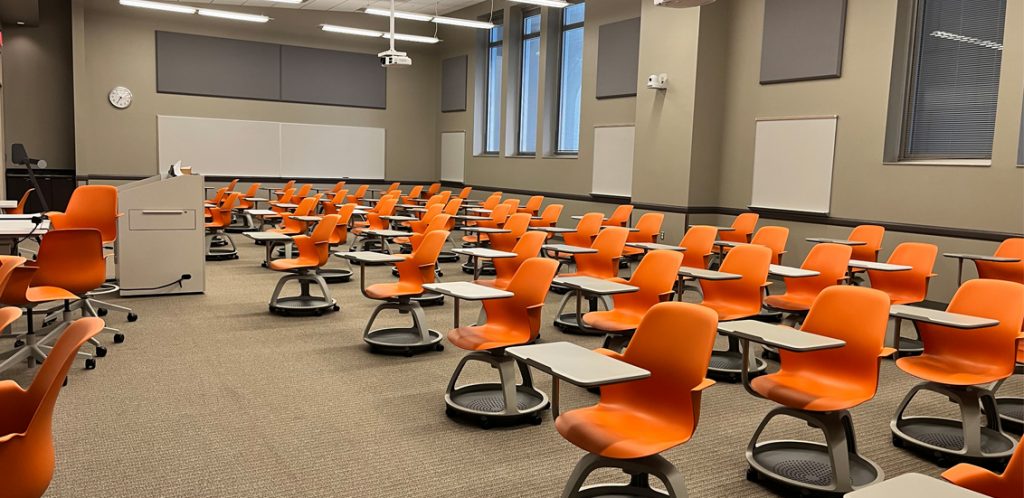
Recent studies have shown that an effective classroom environment is not solely dependent on traditional layouts with rows of desks facing a teacher. Instead, modern classrooms are increasingly embracing flexible seating and multi-functional spaces. According to a 2023 report by the Institute for Education Statistics, classrooms designed for collaboration help increase student interaction, fostering teamwork and critical thinking abilities. Schools across the UK are updating their facilities to include movable furniture, breakout areas, and technology integration to create dynamic learning settings.
Social and Emotional Learning
Another vital aspect of classroom environments is their influence on social and emotional learning (SEL). Within supportive classrooms, students feel safe to express themselves and take intellectual risks. Research by the Collaborative for Academic, Social, and Emotional Learning (CASEL) highlights that classrooms promoting SEL practices report higher academic performance and improved behaviour among students. Schools are now integrating SEL into their curricula, emphasising the need for classrooms that nurture emotional wellbeing and mental health.
Technology Integration
With the rise of digital learning tools, the integration of technology into classroom settings has become increasingly relevant. The pandemic accelerated this shift, as many schools pivoted to online learning. According to the Office for National Statistics, 92% of secondary school teachers in the UK reported using digital technologies in their teaching. Classrooms now feature smart boards, tablets, and virtual reality experiences that enhance learning by making it more interactive and engaging. However, balancing technology use with traditional teaching methods remains a topic of discussion among educators.
Conclusion
The classroom environment is a multifaceted entity that plays a vital role in student success. As educational practices continue to evolve, it is essential for educators, administrators, and policymakers to consider the physical, emotional, and technological aspects of classrooms. By fostering adaptable spaces that prioritise collaboration and emotional wellbeing, we can significantly enhance the learning experience for today’s students. Looking forward, a focus on innovation in classroom design could lead to improved educational outcomes, preparing students not just academically, but socially and emotionally for their futures.