Introduction
The Oxford Congestion Charge is a significant initiative aimed at tackling the pressing issues of traffic congestion and air quality in the historic city of Oxford. With rising vehicular traffic contributing to environmental degradation and health problems, the charge seeks to incentivise a shift towards sustainable transport options. As cities around the world implement similar measures, understanding Oxford’s approach can serve as a model for urban transportation planning.
The Implementation of the Oxford Congestion Charge
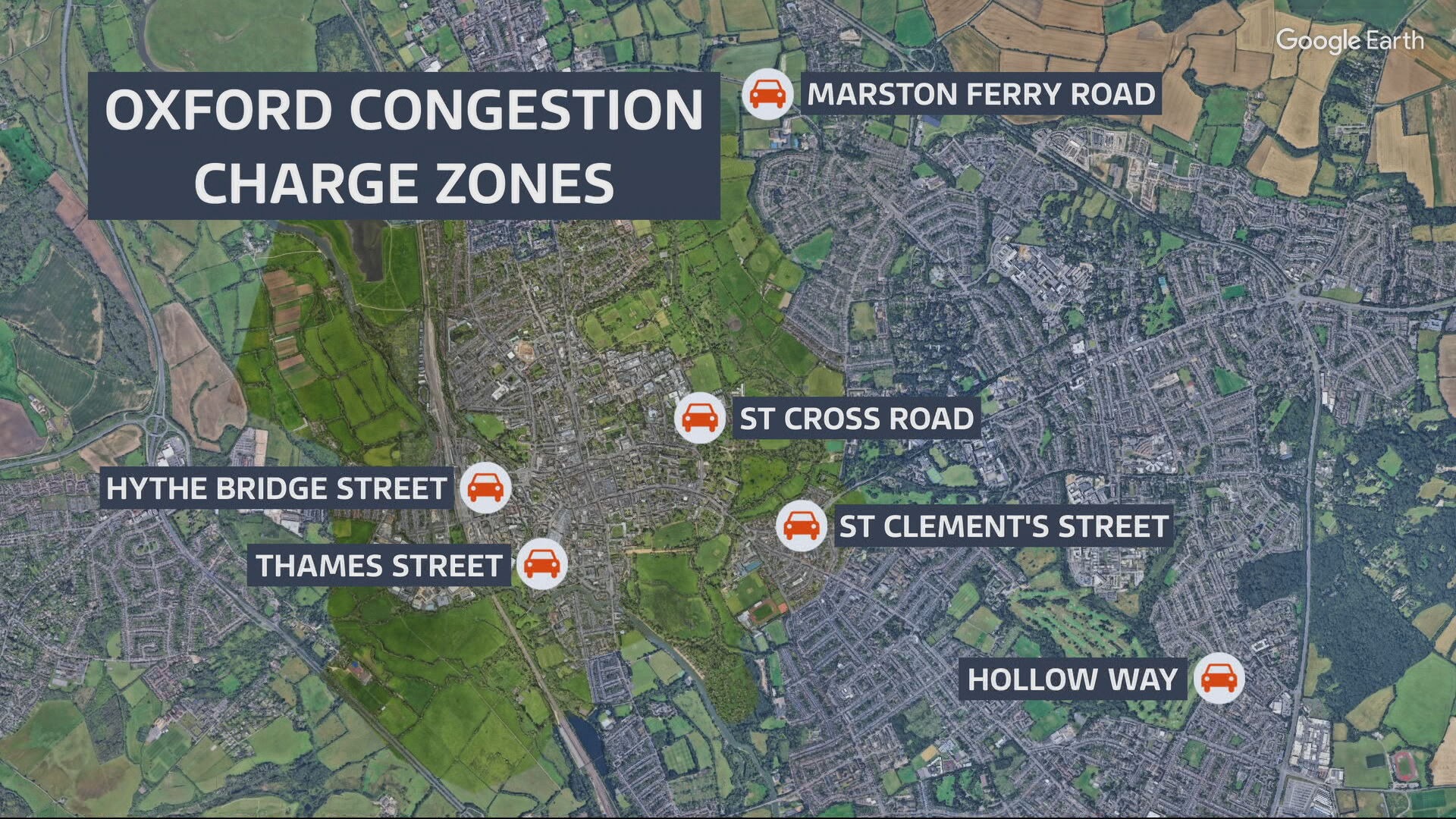
On February 28, 2022, Oxford City Council approved the introduction of a congestion charge that is set to come into effect by 2024. The charge will apply to vehicles entering the city centre during peak hours, aiming to limit the number of cars and promote the use of public transport, cycling, and walking. According to the council estimates, the scheme is expected to reduce car trips in the city centre by around 30%, significantly lowering pollution levels.
Public Reception and Responses
The public reception to the congestion charge has been mixed. While many residents and environmental groups applaud the initiative for its potential environmental benefits, local business owners express concerns over the impact on trade. A survey conducted by the city council indicated that 60% of residents support the measure, highlighting a growing awareness of the need to address climate change and urban congestion. In response to concerns, the council plans to invest a portion of the revenue generated from the charges into improving public transport infrastructure.
Impact and Future Considerations
The charge is anticipated to have long-term benefits on both the local economy and the environment. Improved air quality can lead to better health outcomes for residents, potentially reducing healthcare costs. The shift to cleaner transport options aligns with the UK government’s broader targets for reducing carbon emissions and achieving net-zero by 2050. Local authorities are closely monitoring similar congestion charge schemes in cities like London and Cambridge to learn from their successes and challenges.
Conclusion
The Oxford Congestion Charge represents a pivotal step towards modernising urban transport while addressing climate change. Its implementation will be closely observed not only by the residents of Oxford but also by other cities grappling with similar issues. As more towns and cities embrace congestion charging, it becomes imperative to assess the implications and success of such models, which can ultimately contribute to a healthier and more sustainable urban environment.