Introduction
The term ‘blue moon’ has captured the imagination of stargazers and casual observers alike. It represents a unique astronomical phenomenon that occurs infrequently, stirring curiosity and wonder regarding its implications. With numerous cultural references and scientific significance, understanding blue moons can enhance our appreciation of the celestial events that occasionally unfold in our sky.
What is a Blue Moon?
A blue moon typically refers to an additional full moon that occurs in a subdivision of a year, particularly when two full moons happen within a single month. The most commonly accepted definition is the occurrence of a second full moon in a calendar month, which is relatively rare and happens approximately once every two to three years. The phrase ‘once in a blue moon’ has also found its way into vernacular, signifying something that happens very rarely.
Recent Blue Moon Events
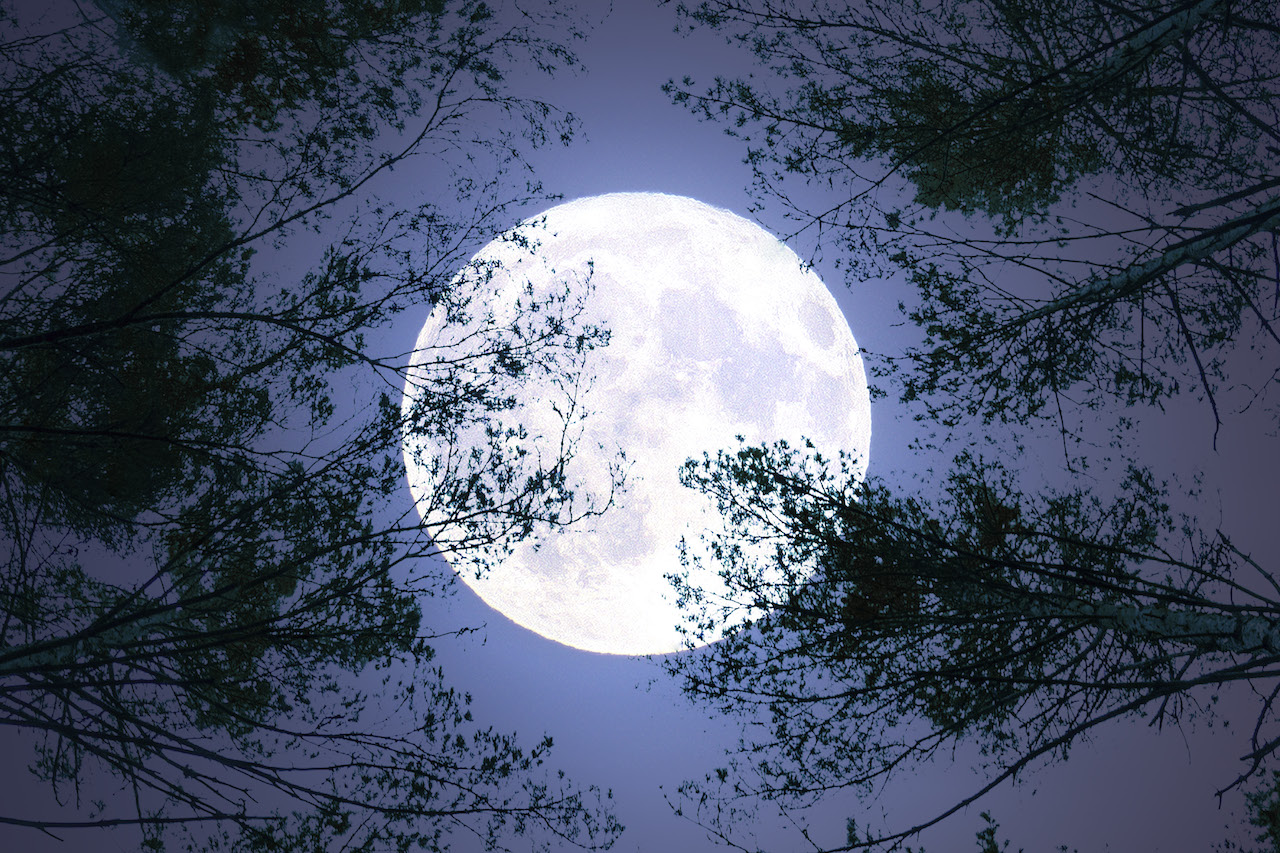
The last blue moon appeared on August 30, 2023, marking the second full moon of that month. This celestial spectacle drew attention not only for its rarity but also amid a series of heightened interest in lunar events, such as the supermoon phenomena. In fact, the blue moon coincided with a supermoon, making it appear larger and brighter in the night sky.
During the 2023 blue moon, astronomers encouraged stargazers to take advantage of the event by observing the moon’s color and size, although it might not actually appear blue. Variations in atmospheric conditions, such as dust or pollution, can create visual effects that lead to a blue appearance, but this is not a common occurrence.
Impacts and Significance
Blue moons have been referenced in various cultures and traditions, often symbolizing mystery and the passage of time. In modern times, they serve as reminders for the public to engage with astronomical events and foster a greater connection to the universe. As more individuals take an interest in lunar activity, we may see a rise in educational programs and community events surrounding these celestial milestones.
Conclusion
Overall, blue moons are fascinating phenomena that enrich our understanding of lunar cycles and offer unique opportunities for observation and reflection. As we continue to explore our universe, the next blue moon on August 31, 2026, will be another chance for enthusiasts and casual observers alike to look up at the night sky and appreciate the beauty of these rare celestial events.