The Importance of Tracking Flight Cancellations
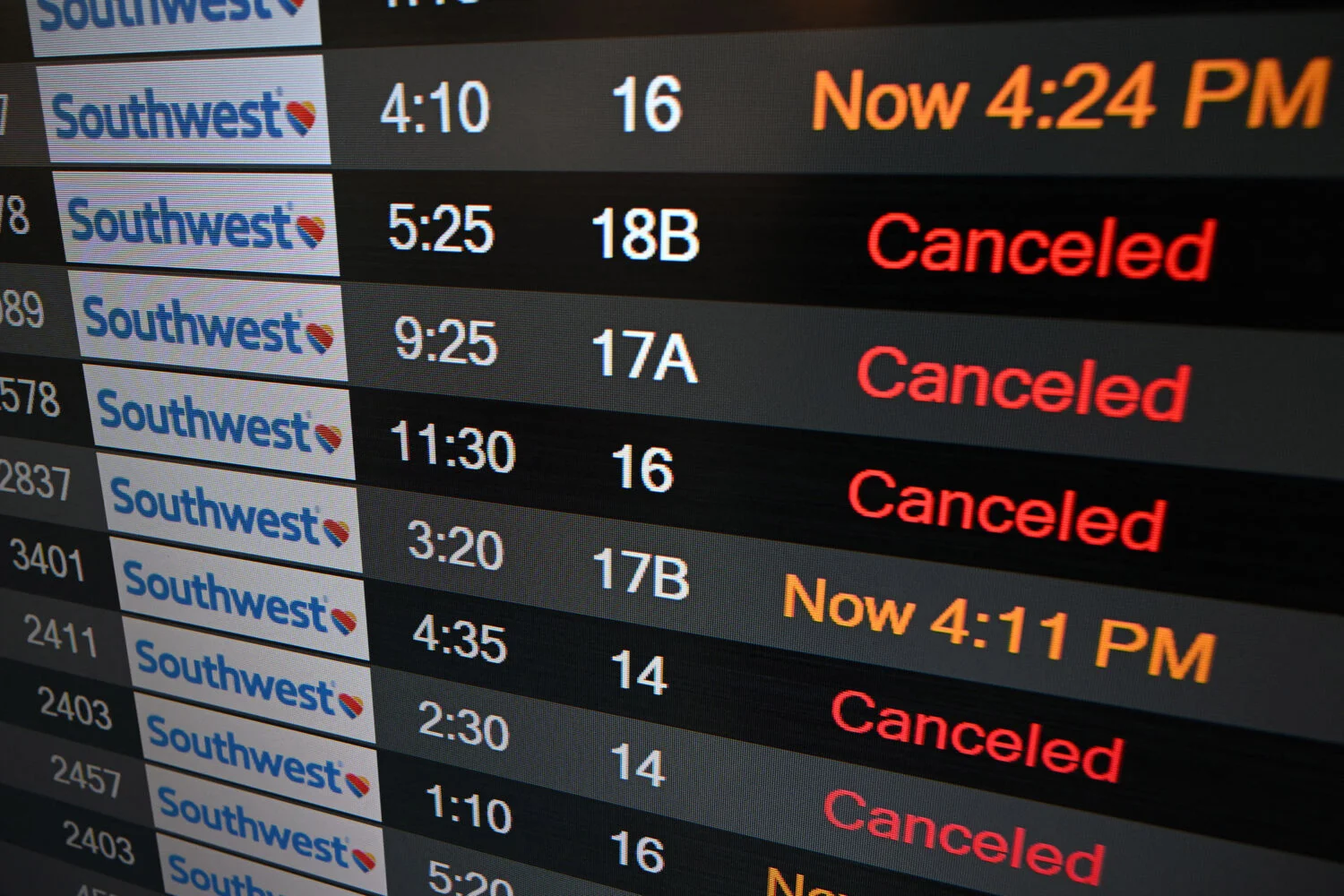
In recent weeks, the European aviation industry has been facing unprecedented challenges, resulting in a significant rise in flight cancellations across the continent. Factors such as staffing shortages, adverse weather conditions, and air traffic control disputes have directly affected the travel plans of thousands of passengers. Understanding flight cancellations is not just about inconvenience; it impacts tourism, local economies, and global travel connections.
Recent Events and Statistics
As reported by the European Union Aviation Safety Agency (EASA), approximately 20% of scheduled flights in major European airports were cancelled during the peak travel month of August 2023. Airports such as London Heathrow, Amsterdam Schiphol, and Paris Charles de Gaulle saw the highest numbers, with complaints pouring in from frustrated travelers. Major airlines, including British Airways and Air France, confirmed that operational disruptions were largely attributed to an unexpected surge in demand post-pandemic, coupled with insufficient staffing levels.
In a statement, a spokesperson for EASA noted, “As we move deeper into the summer travel season, conditions have become increasingly strained. The combination of high passenger volumes and a lack of available crew has contributed significantly to the cancellation rates.” Furthermore, exceptional weather events, including heatwaves and storms, have repeatedly grounded flights, exacerbating the situation.
Impacts on Travelers and Airlines
The ramifications of these cancellations are extensive. Many travelers have found themselves stranded, facing a lack of immediate alternatives amidst packed schedules. Airline compensation policies vary, leaving passengers confused about their rights and options. Some travelers reported being rerouted or offered vouchers, while others faced extensive delays or complete cancellation of their journeys.
Airlines are working diligently to rectify the situation, implementing measures to hire and train more staff. Additionally, many are assessing their operational procedures to ensure better handling of potential disruptions in the future. However, there are concerns that the recovery process may take time, further affecting upcoming peak travel seasons.
Conclusion and Future Outlook
As European airlines grapple with ongoing challenges, understanding the dynamics of flight cancellations remains crucial for travelers planning their journeys. While the summer season has been turbulent, industry experts predict a gradual stabilization as airlines adapt to the new normal of heightened demand. Ensuring a smooth travel experience hinges not only on weather conditions but also on the airlines’ ability to balance staffing and operational capacity moving forward. As always, travelers are encouraged to stay informed, check flight statuses regularly, and plan accordingly to minimize disruptions in their travel plans.