Introduction
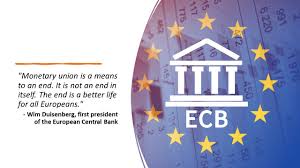
The European Central Bank (ECB) plays a crucial role in the financial stability of the Eurozone, which comprises 19 of the 27 European Union nations. Established in 1998 and headquartered in Frankfurt, Germany, the ECB is responsible for managing the euro, conducting monetary policy, maintaining price stability, and overseeing the banking system across its member states. Given the ongoing economic challenges, particularly in the wake of the global pandemic and rising inflation rates, understanding the ECB’s policies and actions has never been more significant for investors, businesses, and European citizens alike.
Recent Developments
In September 2023, the ECB took decisive action by raising interest rates by 25 basis points, bringing the main refinancing rate to 4.5%. This was part of their continuous efforts to combat high inflation, which has been a significant concern for the region, reaching levels around 5.6%. The ECB’s aim is to reduce inflation to its target level of 2%. ECB President Christine Lagarde noted during the press conference, “We are determined to ensure that inflation is firmly in check, and our recent policy changes reflect our commitment to this goal.”
Additionally, the ECB has announced its strategy to reduce the size of its balance sheet, a measure aimed at tightening monetary conditions. This decision comes after an extensive period of quantitative easing, which saw the central bank purchase large amounts of government bonds to help stimulate the economy during times of crisis. The shift in policy indicates the ECB’s confidence in the economic recovery and its readiness to tackle inflation head-on.
Impact on the Economy
The ECB’s tightening measures have far-reaching implications. For consumers, higher interest rates may translate to more expensive loans and mortgages. Businesses, particularly small enterprises, may find financing costs increasing, leading to careful investment planning. The hope is that these measures will encourage responsible fiscal behaviour among consumers and businesses, ultimately leading to sustainable economic growth.
Conclusion
As the ECB navigates through a period of monetary tightening, its actions will significantly influence the economic landscape of the Eurozone. Monitoring the impact of these changes will be crucial for market participants. Moving forward, analysts predict that the ECB may continue to adjust its policies based on inflationary pressures and overall economic stability. Understanding these dynamics will help citizens and businesses prepare for the potential shifts in the economic environment. The ECB’s proactive approach remains pivotal in preserving the economic integrity of the Eurozone, especially as it faces global uncertainties.