Introduction: The Importance of X Twitter
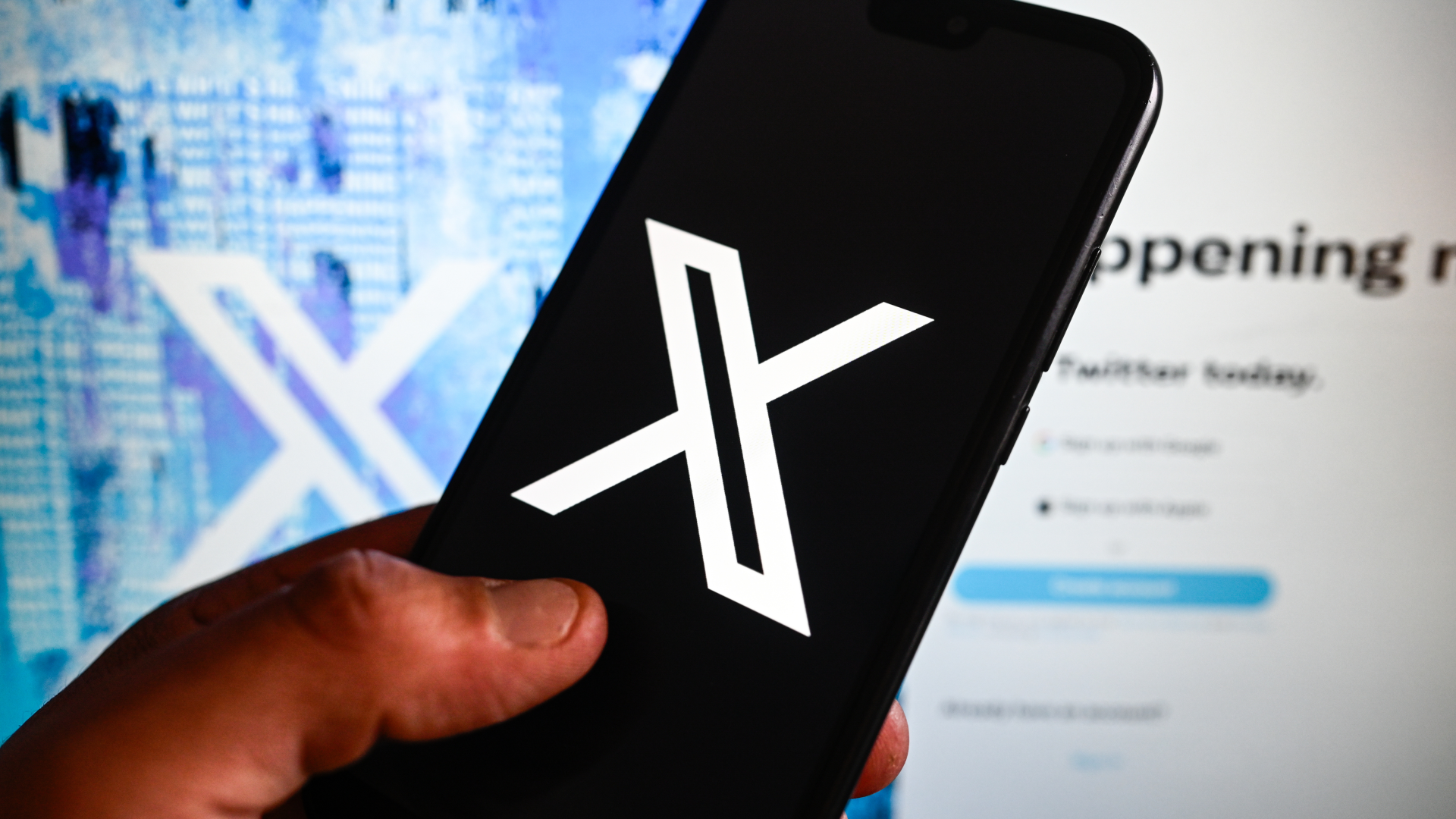
In October 2022, technology tycoon Elon Musk completed his acquisition of Twitter, one of the world’s most recognised social media platforms. This pivotal moment marked a significant transformation as Twitter was rebranded to ‘X’, representing a new direction for the service. In an age where social media profoundly impacts global communication and interaction, understanding this transition and its implications for users and the digital landscape is crucial.
The Transition: Key Changes and Developments
Since its rebranding to X, the platform has witnessed numerous changes aimed at enhancing user experience and broadening its functionalities. Musk’s vision encapsulates an app that transcends conventional social media roles, aspiring to morph X into an ‘everything app’ that integrates messaging, finance, and content-sharing features in one place.
Among the many anticipated changes, the introduction of subscription services, advanced content moderation policies, and a shift towards promoting long-form content have stirred the interest of both users and analysts. The rebranding also reflects a push to break away from Twitter’s previous challenges, including issues surrounding privacy, misinformation, and user engagement.
User Reactions and Impact
However, the transition from Twitter to X has not been without criticism. Many long-time users express concerns over the new management style and policies that seem to encourage less accountability and promote a more libertarian approach to content. This, in turn, raises questions about safety and misinformation dissemination on the platform.
Despite these concerns, some users have welcomed the changes, excited about a potential return to robust discussions and enhanced capabilities within the app. Features like audio and video integration, expanded character limits, and improved algorithms for content delivery are seen as steps forward in revitalising the platform.
Conclusion: Forecasting the Future of X
As X continues to evolve, the future of social media interactions is under scrutiny. Analysts project that if the platform successfully navigates its challenges, it could potentially revolutionise how users engage within social networks. The success of X could influence rival platforms and dictate the norms of social media use in the coming years. Readers should stay abreast of these developments as they present critical insights into the ongoing discourse about privacy, regulation, and digital communication in our increasingly interconnected world.