Introduction
The Zapad 2025 military exercise, scheduled for September 2025, is a major drill planned by the Russian Armed Forces. This large-scale exercise is expected to feature thousands of troops, advanced military technology, and joint operations with allied nations. Its importance lies not only in military preparedness but also in its geopolitical implications, particularly in the context of Russia’s relations with NATO and its neighbours.
Details of the Exercise
The Zapad exercises, which means ‘West’ in Russian, are recurrent military drills that typically demonstrate the capabilities of the Russian military. In the 2025 iteration, it is anticipated that Russia will engage in strategic operations aimed at showcasing its readiness to defend its western borders. The exercise is likely to involve Belarus, a key ally, thereby enhancing the military cooperation between the two nations.
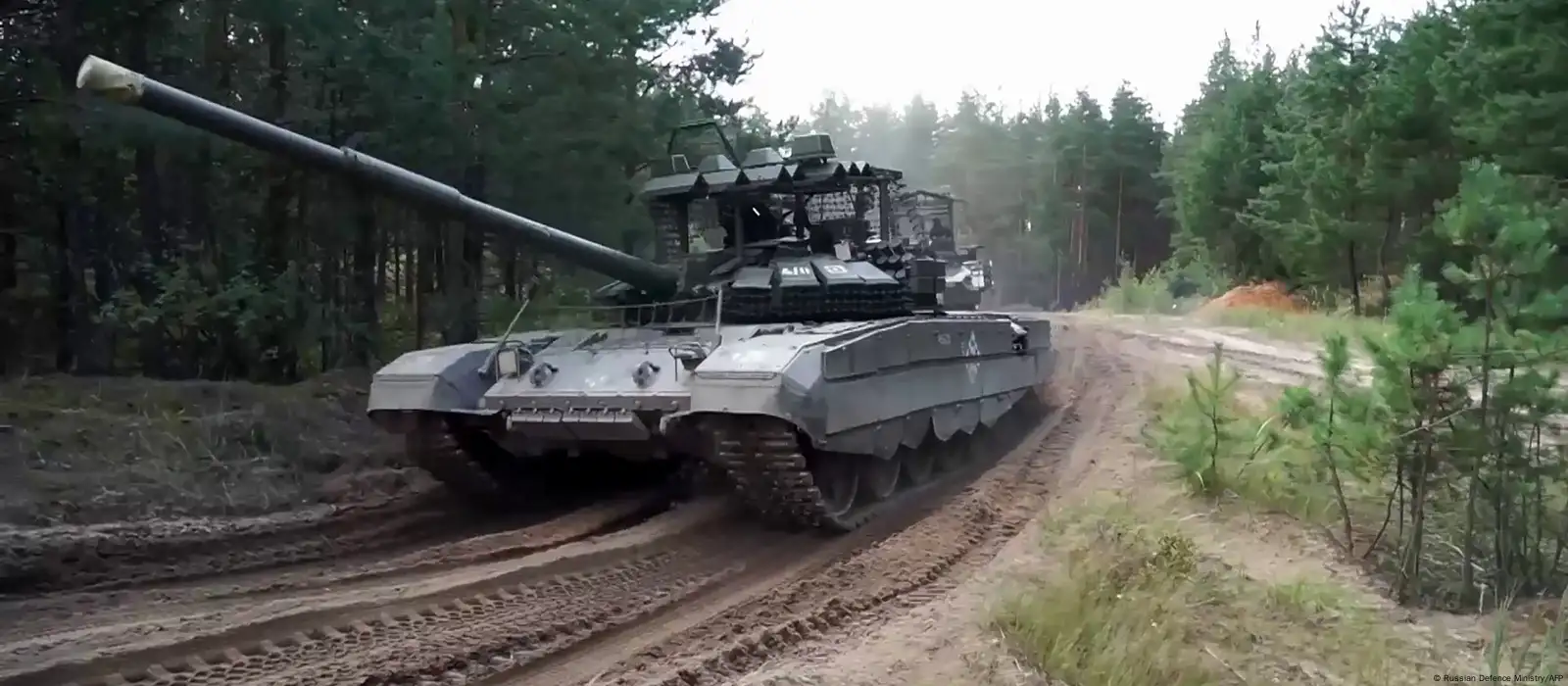
Exercises of this nature typically involve the deployment of infantry, tanks, air support, and air defence systems. Analysts believe that the focus of Zapad 2025 will be on hybrid warfare tactics, integrating cyber capabilities and unconventional warfare alongside traditional military strategies.
Concerns and Reactions
Zapad 2025 has raised eyebrows within NATO and among other Eastern European nations. In past iterations, the size and scale of these drills have been perceived as provocative, often coinciding with heightened tensions in the region. War games such as these can contribute to a security dilemma, where defensive actions by one side are viewed as aggressive by another. Various NATO leaders have expressed concerns over the potential threat posed by increased Russian military presence in regions close to their borders, particularly in the Baltic States.
Conclusion
The Zapad 2025 military exercise represents not only a critical component of Russian military strategy but also a potential flashpoint for international relations in Eastern Europe. As military preparations ramp up, it is crucial for national security officials within NATO and its member states to closely monitor the developments surrounding the exercise. Ensuring transparency and diplomatic dialogue will be essential in preventing misunderstandings that could escalate into conflict. By preparing for such exercises in advance, nations can better navigate the complex geopolitical landscape shaped by Russia’s military ambitions.