Introduction
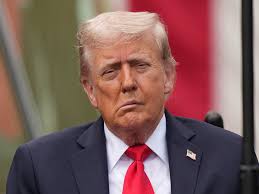
The health of former President Donald Trump has been a focal point of discussion, particularly amidst growing fears surrounding his well-being. Recent revelations and speculation about a potential stroke have raised questions not only about Trump’s health but also about its implications for American politics and the electorate’s confidence in leadership. Given the significant role that health plays in the public perception of elected officials, this topic is increasingly relevant as the political landscape shifts.
Health Concerns Surrounding Trump
In recent weeks, Trump’s health has come under scrutiny following unconfirmed reports of him experiencing stroke-like symptoms. While there has been no official diagnosis from Trump’s medical team, the former president’s age, coupled with a history of heart-related issues, has heightened concern among his supporters and opponents alike.
During his presidency, Trump had faced numerous health inquiries, particularly after his well-documented visit to Walter Reed National Military Medical Center in November 2019, where he underwent an unscheduled medical examination. Observers noted at the time that the incident raised alarms about his physical condition, leading to speculation about the impact on his political future.
Public Reactions and Implications
The discourse surrounding Trump’s health is further fueled by the polarized nature of American politics. Supporters view discussions of his health as politically motivated attacks, while opponents raise essential questions about the physical and mental fitness of a potential future candidate for office. Reactions on social media and news outlets have varied widely, showcasing the divided sentiments surrounding Trump’s potential return to the political arena.
Furthermore, Trump’s ongoing legal battles add another layer of complexity to the discussion of his health. With multiple court cases looming and his candidacy for the 2024 presidential election in the air, health issues could disrupt his campaigning efforts and influence voter perceptions, particularly among older demographics who may be more affected by concerns about health and vitality in their elected leaders.
Conclusion
Ultimately, the health concerns surrounding Donald Trump highlight the intersection of personal well-being and political viability. As discussions continue regarding Trump’s health and the rumored stroke, it is important for voters and political analysts to consider the broader implications of well-being on leadership. Should Trump’s health issues prove to be significant, it could reshape the 2024 electoral landscape, prompting new discussions about the qualifications and fitness of candidates. In an age where health transparency plays a critical role in public trust, the implications of such concerns extend beyond individual candidates to the very core of democratic processes.