Introduction to IPTV
In recent years, Internet Protocol Television (IPTV) has emerged as a significant technological advancement in how people consume television content. Unlike traditional cable or satellite TV services, which rely on specific broadcasting mechanisms, IPTV delivers television programming through an internet connection. This shift not only enhances viewer experience but also aligns with the increasing trend towards online streaming, making it a relevant topic in today’s digital landscape.
What is IPTV?
IPTV uses the internet protocol suite to deliver television programming to viewers. It works by sending video content over the same network that provides internet access, enabling users to watch television shows and movies via their internet-connected devices. This can be particularly appealing to consumers as it offers greater flexibility on how and when they watch their favourite programmes. Services can be subscribed to as a package or through a-la-carte options, catering to various consumer preferences.
Current Trends in IPTV
The global IPTV market has witnessed rapid growth, with a significant increase in subscribers over the last few years. Recent reports highlight that as of 2023, the global IPTV market size is anticipated to achieve a value of over £63 billion by 2027, driven by the growing demand for on-demand content and improvements in broadband penetration. Furthermore, the COVID-19 pandemic accelerated the shift toward digital consumption as people sought entertainment amid prolonged lockdowns.
Key players in the IPTV space, such as AT&T TV, Virgin Media, and BT TV, have expanded their offerings to include multi-device support and high-definition viewing. This development is critical as consumers increasingly adopt platforms that offer a seamless streaming experience, leading to higher expectations in terms of content diversity and quality.
The Future of IPTV
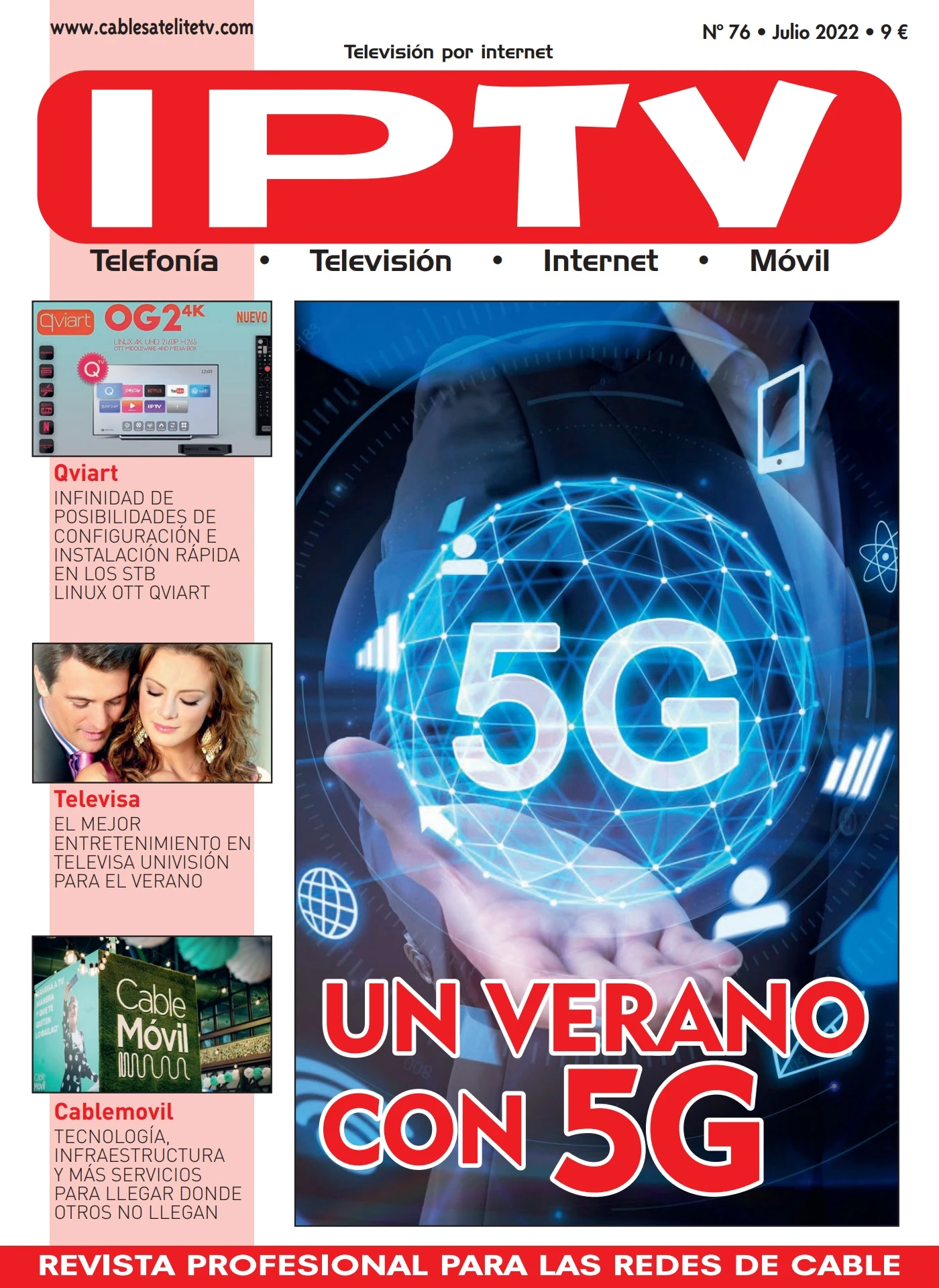
As technology continues to evolve, so too does the potential for IPTV to revolutionise viewing experiences. With the inevitable rollout of 5G technology, faster internet speeds are likely to enhance the delivery of high-quality content, ultimately leading to expanded usage of IPTV services. Moreover, the integration of smart technologies, like artificial intelligence, is poised to offer personalised viewing experiences, further engaging users.
Conclusion
IPTV represents the future of television, adapting to the ever-changing needs of audiences around the world. Its growth is indicative of shifting consumer behaviour, moving away from traditional television models towards more innovative, flexible solutions. As internet infrastructure continues to improve and content options broaden, IPTV is expected to play a central role in broadcasting and consumption in the coming years. For viewers, this means an unprecedented array of choices, convenience, and quality in how they consume media.