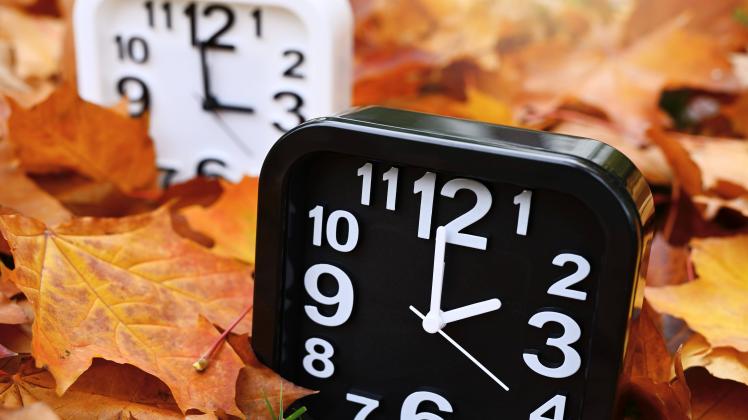
Understanding the Time Change
As autumn arrives, many in the UK eagerly anticipate the end of Daylight Saving Time (DST). This annual event, known as ‘clocks go back,’ signifies a transition that affects daily routines, energy consumption patterns, and overall lifestyle.
The Date of the Change
This year, the clocks will go back on Sunday, 29th October 2023, at 2:00 AM, reverting to Greenwich Mean Time (GMT). This adjustment means that individuals will gain an extra hour of sleep, although it also signals shorter daylight hours in the evening.
Impact of Clocks Changing
The change can have significant implications for many. Studies indicate that the shift in the clock can disrupt sleep patterns initially; however, most people adjust within a week. Furthermore, the return to standard time can lead to enhanced daylight during the morning hours, which is particularly beneficial for early risers and school children.
Energy Consumption and Safety
One of the main reasons for implementing Daylight Saving Time is to reduce energy consumption, as longer daylight in the evenings is believed to lessen the need for artificial lighting. However, its effectiveness has been widely debated, with studies yielding mixed results. Additionally, the change in time can influence safety; longer evenings can lead to decreased road accidents, although the darker mornings may pose safety risks for pedestrians and cyclists.
Conclusion and Future Considerations
As the clocks go back this October, it serves as a reminder of the seasonal shifts we experience annually. The debate surrounding Daylight Saving Time continues, with discussions on its relevance in modern society. Looking ahead, there are calls for permanent standard time, with some advocating for an end to the biannual clock changes altogether. Regardless, as we prepare to adjust our clocks and our schedules, it becomes increasingly clear that time remains a dynamic aspect of our lives, marked by both routine and change.