Introduction
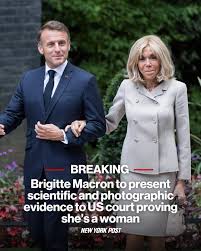
Brigitte Macron, the wife of French President Emmanuel Macron, has emerged as a significant figure in French politics and society. Born on April 13, 1953, she has not only been a supportive partner to her husband but has also taken on an active role in various social causes. Understanding her influence sheds light on the evolving role of first ladies in contemporary politics.
Background and Education
Brigitte Trogneux, as she was known before her marriage, grew up in Amiens, France. She comes from a family of chocolatiers and pursued a career in education, eventually becoming a literature and drama teacher. It was during her time as a teacher that she met Emmanuel Macron, her future husband, who was a student at the time. Their relationship has often been the focus of media attention due to their age difference of 24 years.
Role as First Lady
Since her husband was elected president in May 2017, Brigitte Macron has taken on several initiatives, championing causes related to education, children’s welfare, and the arts. She has advocated for social inclusion and is a strong supporter of cultural initiatives in France. Her involvement has not only modernised the image of the French first lady but has also encouraged wider acceptance of progressive policies regarding education and social issues.
Public Perception and Media Attention
Brigitte Macron has been a subject of both admiration and criticism. While many applaud her poise and commitment to social causes, others scrutinise her personal life and the dynamics of her marriage to a younger man. Despite the challenges, she has maintained a significant presence in French society, often appearing alongside President Macron at official functions and state visits, promoting a united front.
Conclusion
Brigitte Macron’s role as the wife of President Emmanuel Macron extends beyond traditional expectations of a first lady. Through her active participation in social causes and her ability to engage with the public, she has shown that the position can be one of influence and relevance in modern society. Looking ahead, her contributions may pave the way for future first ladies to embody similar roles, marking an evolution in how political spouses engage with important social issues. Her journey reveals the complexities and potential of being a first lady in the 21st century.