The Importance of Identifying Wealth Leaders
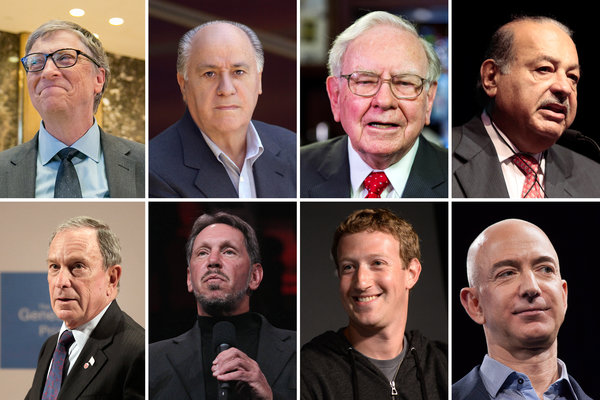
Understanding who the richest man in the world is not only intriguing but also significant in observing global economic trends and wealth distribution. In 2023, the race for the title of the world’s wealthiest person remains fiercely competitive, reflecting the dynamics of investments, innovations, and market conditions.
Current Standings: The Wealth Billionaires
As of October 2023, Bernard Arnault, the CEO of LVMH (Moët Hennessy Louis Vuitton), continues to hold the title of the richest man in the world with an estimated net worth of over $220 billion. Arnault’s wealth surged alongside the luxury goods market, which has seen consistent growth driven by increased consumption in Asia and improved sales in Europe and the Americas.
Following Arnault, Elon Musk, the founder of Tesla and SpaceX, holds the second position with a net worth around $211 billion. Musk’s wealth fluctuates dramatically with Tesla’s stock prices, reflecting the volatility inherent in technology and automotive markets.
Key Factors Affecting Their Wealth
The wealth of these billionaires is not just a numerical contest; it represents significant factors in the global economy, such as innovation, consumer behaviour, and investment patterns. For instance, Arnault’s exceptional rise correlates with the growing preference for luxury brands among younger consumers, while Musk’s fortunes are tied closely to his ventures in renewable energy and space exploration.
Broader Implications for Society
The existence of such wealth concentrations raises pertinent questions about economic inequality, philanthropy, and corporate responsibility. Arnault and Musk, among others in the billionaire category, are increasingly expected to play a role in addressing global challenges such as climate change, poverty alleviation, and health crises through their philanthropic initiatives and business innovations.
Looking Ahead: Future Billionaires
As we look to the future, fluctuations in global markets, technological advancements, and shifts in consumer behaviour will continue to reshape the leaderboard of the world’s wealthiest individuals. Analysts predict that sectors like green energy, sustainable technologies, and digital economies might produce the next generation of billionaires, potentially altering the current hierarchy.
Conclusion
In summary, tracking the richest man in the world serves as a lens through which we can view the broader economic landscape and its implications for society. As luxury brands thrive and technological companies evolve, the discussions surrounding wealth and responsibility will remain ever relevant.