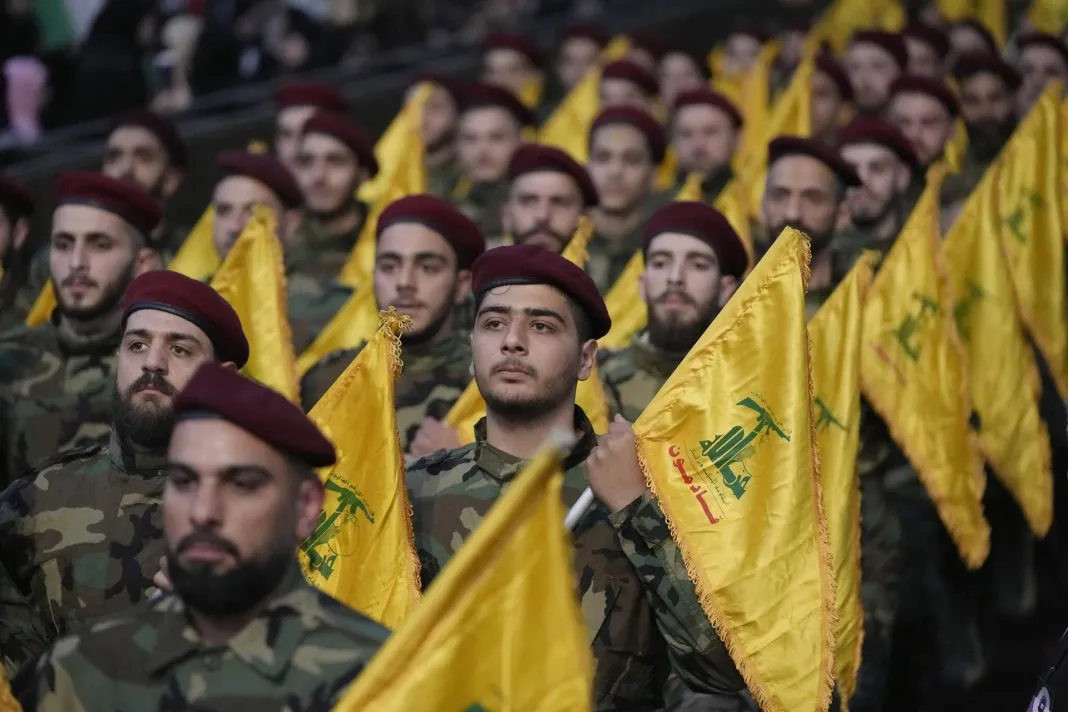
Hezbollah’s resurgence in the conflict with Israel challenges perceptions of its military decline following significant leadership losses. After a ceasefire in November 2024, Hezbollah is back on the battlefield, fighting in southern Lebanon.
Hezbollah has stated it will not accept a one-sided ceasefire with Israel. The group’s military leader announced plans to resume suicide operations targeting Israeli forces. This marks a significant escalation in hostilities.
The conflict, which erupted in early March, has resulted in over 2,600 deaths in Lebanon. Israeli airstrikes have heavily impacted the civilian population, with at least 1.2 million residents displaced due to the violence.
Key facts:
- Hezbollah has deployed reinforcements and weapons to southern Lebanon.
- The group draws most of its support from Lebanon’s Shia Muslim community.
- Negotiations between Lebanon and Israel are ongoing, with the US acting as a broker.
Despite these negotiations, Hezbollah has refused to abide by their results. Naim Qassem, Hezbollah’s deputy leader, stated, “We categorically reject direct negotiations.” This position reflects Hezbollah’s commitment to its military strategy.
Iran plays a crucial role in supporting Hezbollah financially. The Iranian Supreme Leader views Hezbollah as essential to Iran’s regional interests and survival. Joseph Daher remarked, “To speak about the future of Hezbollah is to speak about the future of Iran.”
The outcome of current negotiations remains uncertain. The future role of Hezbollah within Lebanon also hangs in the balance as violence continues to escalate.