Morocco’s victory and World Cup qualification
Morocco secured a place in the semi-finals of the TotalEnergies CAF Women’s Africa Cup of Nations Morocco 2026 following a 2-1 victory over South Africa. This win also guarantees their qualification for the FIFA Women’s World Cup Brazil 2027. The match, which took place on a Saturday evening, saw the host nation overcome a strong challenge from the former champions.
The Atlas Lionesses began the match with an enterprising approach. In the 20th minute, Sanaa Mssoudy nearly opened the scoring with a header that went narrowly over the bar. South Africa responded swiftly, with Thembi Kgatlana also sending an effort over the bar just a minute later, indicating an early exchange of attacking intent from both sides.
The breakthrough for Morocco came in the 31st minute when Sakina Ouzraoui scored her second goal of the tournament. She reacted quickly inside the penalty area to produce a first-time finish, guiding the ball past Kaylin Swart and giving the hosts a deserved lead before halftime.
After the restart, Morocco extended their advantage. Six minutes into the second half, Hanane Aït El Haj calmly converted a penalty after a foul was committed by South Africa inside their area. This goal doubled Morocco’s lead, putting them in a strong position.
South Africa’s response and tense finish
Trailing by two goals, Banyana Banyana intensified their efforts. Their persistence paid off in the 67th minute when Thembi Kgatlana showcased her attacking prowess. Breaking in from the left side, she unleashed a powerful strike that reduced the deficit, setting the stage for a tense finish to the match.
South Africa continued to press for an equalizer, applying sustained pressure on the Moroccan defence. Despite this mounting pressure, the hosts maintained their organisation and discipline at the back, successfully limiting clear-cut opportunities for their opponents.
When the final whistle blew, Morocco emerged as 2-1 winners, continuing their impressive run in the tournament. This victory not only propels them into the semi-finals but also secures their coveted spot at the FIFA Women’s World Cup Brazil 2027.
WAFCON quarter-finals overview
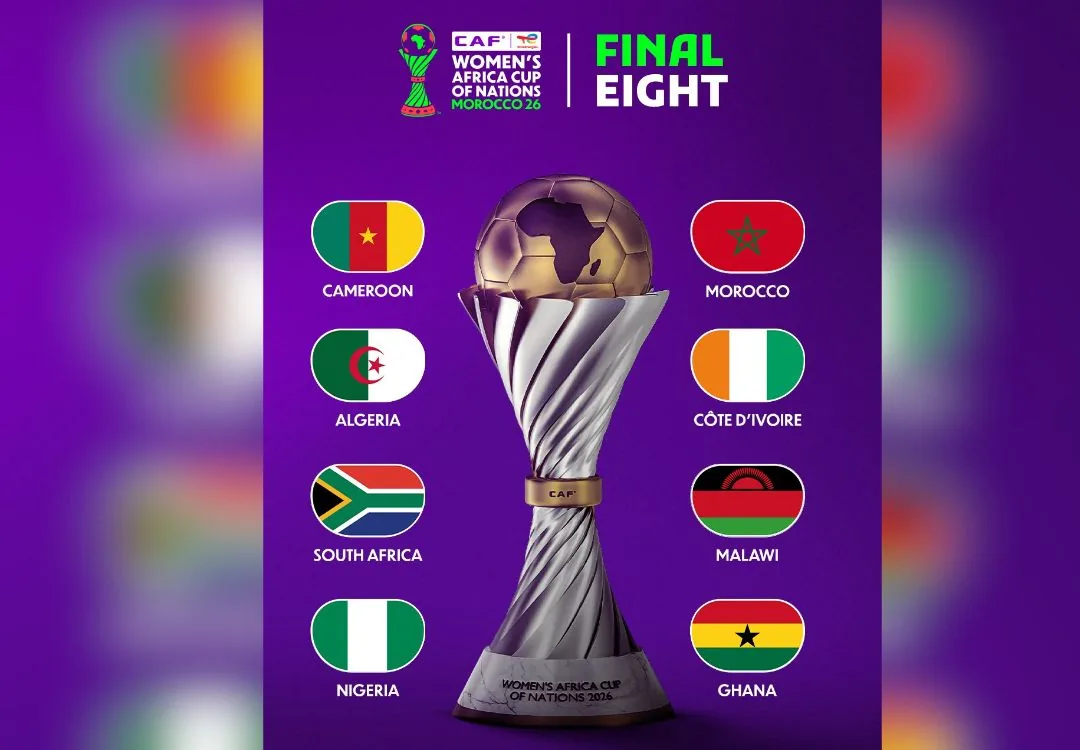
The quarter-final stage of the 2026 Women’s Africa Cup of Nations featured several compelling matchups. The fixtures were spread across Casablanca and Rabat, with four intriguing encounters taking place.
On Saturday, Côte d’Ivoire faced Algeria in Casablanca in the opening quarter-final. Following this, Morocco took on South Africa in Rabat later that evening. Côte d’Ivoire had impressed on their return to the continental stage, finishing top of Group B unbeaten, while Algeria aimed to continue their campaign against one of the tournament’s emerging forces.
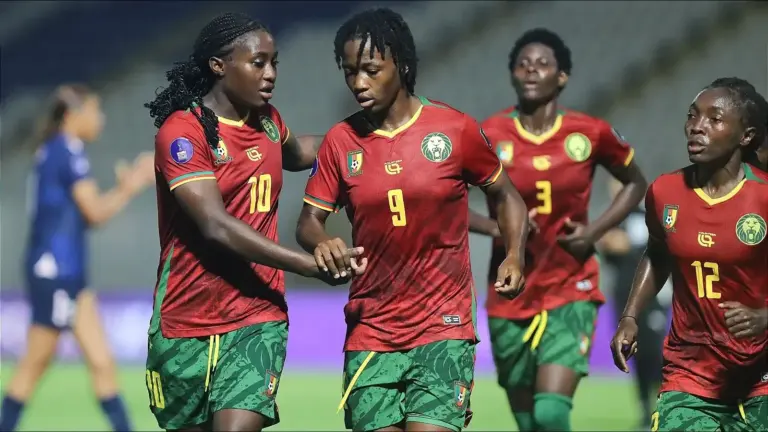
Sunday’s matches included a headline fixture between Cameroon and Nigeria in Casablanca. Cameroon had secured top spot in Group D, remaining unbeaten with seven points from three matches, including two victories and a draw. They faced Nigeria, who progressed as Group C runners-up after recovering from an opening defeat to Malawi with subsequent victories over Zambia and Egypt. The winner of this match would advance to the semi-finals and take a significant step towards continental glory.
The other quarter-final on Sunday saw Malawi face Ghana in Rabat. Malawi had already caused one of the tournament’s biggest upsets by defeating Nigeria in their opening Group C fixture. Ghana, however, presented another major test as both teams vied for a place in the final four.
Significance of World Cup qualification
Beyond the battle for the WAFCON title, a significant prize was at stake in these quarter-final matches. The four teams that emerged victorious from their quarter-final ties automatically qualified for the 2027 FIFA Women’s World Cup in Brazil. This added an extra layer of importance to the last-eight fixtures, making them more than just a fight for a spot in the semi-finals.
For the four winning teams, victory meant securing both their continental glory ambitions and a guaranteed place on football’s biggest global stage. With teams like Nigeria, Cameroon, Morocco, South Africa, Côte d’Ivoire, Algeria, Malawi, and Ghana all still in contention for the title, the knockout stage promised intense competition with little room for error. The race for the trophy has now entered its decisive phase, with the semi-finals scheduled for Wednesday, 12 August.
Source: cafonline.com