Introduction
The presence of Russian fighter jets near Alaska has recently emerged as a significant topic of concern for national security in the United States. As geopolitical tensions continue to rise, incidents involving military aircraft from Russia are drawing attention to the necessity for vigilance in areas critical to American sovereignty. With Alaska’s strategic location, its airspace encounters by foreign military have implications not only for local security but also for broader international relations.
Recent Events
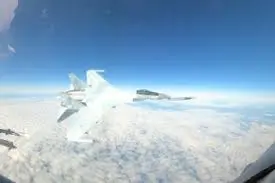
In late October 2023, the North American Aerospace Defense Command (NORAD) reported that a squadron of Russian fighter jets, including Su-35s and Tu-95 bombers, was detected near the Alaskan coastline. According to military officials, the aircraft entered the Alaskan Air Defense Identification Zone (ADIZ), which extends approximately 200 nautical miles off the coast, representing a significant operational threshold. NORAD stated that the intercepting fighters successfully monitored the Russian aircraft to ensure they did not intrude into U.S. airspace.
This incident follows a series of increased military activity from Russia, which has been observed in the Arctic region and beyond. Notably, this is not an isolated case but part of a broader pattern of aggressive military posturing from Russia, particularly as global political landscapes shift. Defence analysts suggest that these maneuvers are not merely training exercises but also signalling tactics intended to demonstrate military capability and assertiveness.
The Implications
Military experts express concern that the proximity of Russian jets to Alaska raises several strategic questions. Firstly, they highlight the need for improved surveillance and military readiness in the region. While the regional forces are well-prepared, consistent monitoring and responding capabilities warrant review to ensure they can adapt to evolving threats. The proximity of these jets to Alaskan airspace also necessitates discussions on the importance of diplomatic channels and communication throughout military engagements.
Moreover, the events around Alaska have sparked a renewed focus on U.S. military investments in the Arctic, specifically regarding air defence systems and surveillance technologies. The potential for future confrontations necessitates a multifaceted approach—one that balances military readiness with diplomatic solutions to ease tensions.
Conclusion
As the presence of Russian fighter jets near Alaska underscores ongoing geopolitical tensions, the importance of vigilance in national defence is clearer than ever. With international relations continuing to evolve, the United States must ensure it is prepared to react to such provocations while exploring avenues for diplomatic dialogue. The strategic significance of Alaska as a point of defence will likely lead to increased military focus and resource allocation in the years to come, highlighting the need to remain proactive rather than reactive in military preparedness.