Introduction
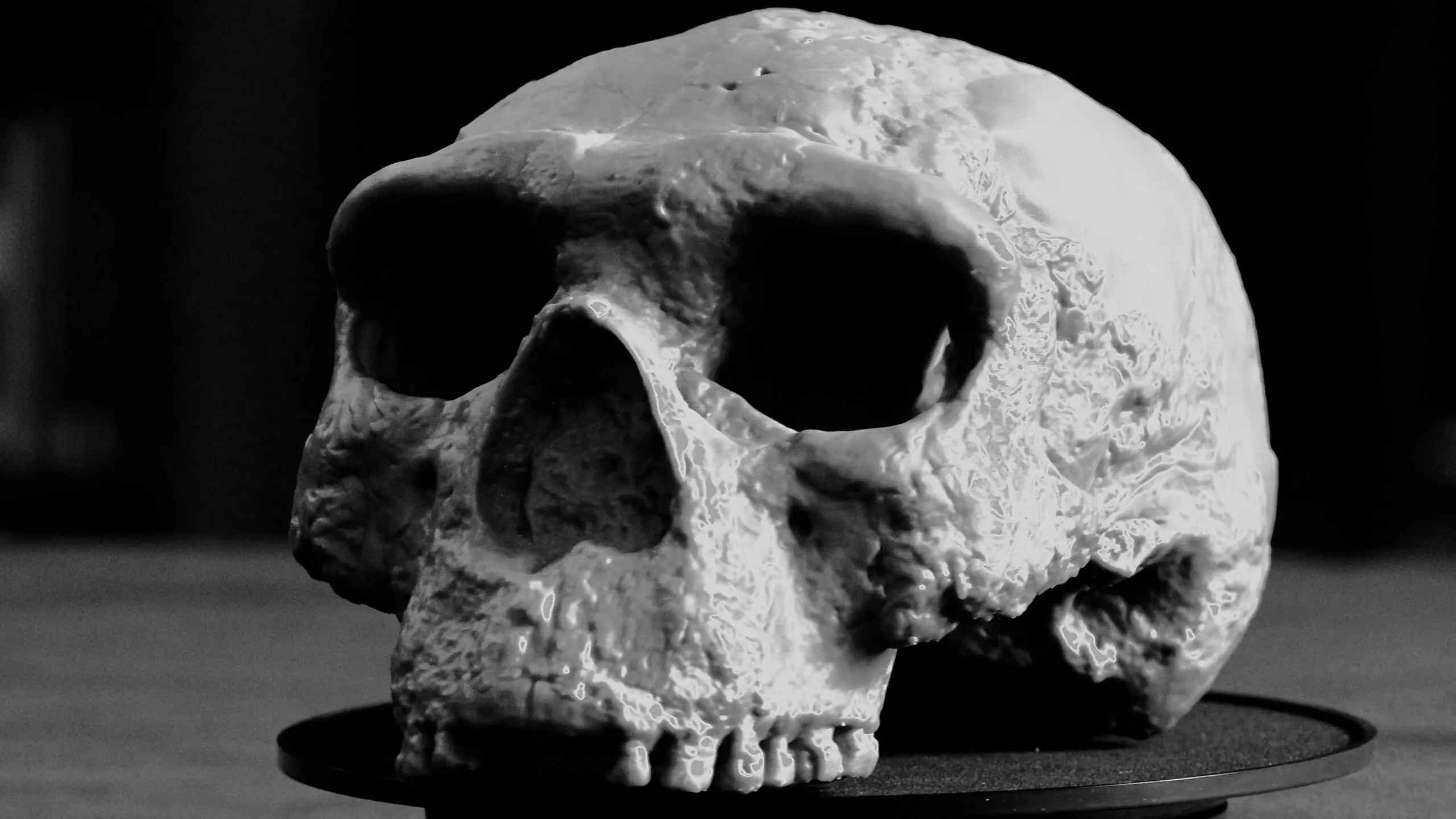
In a striking turn of events, a human skull has been unearthed in a remote archaeological site in the UK, capturing the attention of both researchers and the general public. This discovery not only raises intriguing questions about the identity and life of the individual but also has significant implications for understanding the historical context of the area.
The Discovery
The skull was discovered on October 12, 2023, during a routine excavation led by a team from the University of Cambridge. Situated near a long-forgotten settlement believed to date back to the Iron Age, the excavation initially aimed to uncover artefacts that could offer insights into the daily lives of early inhabitants. However, the discovery of the skull has since shifted focus, prompting a detailed forensic analysis to ascertain its age and origin. According to Dr. Emily Harper, the lead archaeologist, this area has yielded numerous artefacts in the past, but a human skull represents a rare find, indicating a potential burial site.
Forensic Analysis and Historical Context
Early forensic assessments suggest that the skull could belong to an individual who lived between 500 BC to 100 AD, aligning with the timeline of the nearby settlement’s activity. As tests continue, researchers hope to determine the gender and approximate age of the individual at the time of death, offering deeper insights into the community’s demographics and health. Generally, processes such as carbon dating and DNA analysis will provide more concrete data that could link this individual to known historical figures or events.
Public Reaction and Ethical Considerations
The public response to the discovery has been overwhelmingly supportive, with many expressing a fascination for archaeology and our shared history. Local authorities have been prompted to ensure the site is preserved, while discussions about ethical practices in archaeology have emerged. Archaeologist Dr. Samuel Porter commented, “With any human remains, there is a profound responsibility to treat them with respect. They tell a story that deserves careful examination and dignified handling.”
Conclusion
The discovery of the human skull provides a unique opportunity to delve into the past, with the potential to enhance our understanding of early societies in the UK. As research continues, this finding may contribute valuable information to both the field of archaeology and the history of human existence in the region. With advancements in forensic science coupled with a keen interest from the public and scientific communities, it is likely this story will unfold further, revealing more about our ancient predecessors and the landscapes they inhabited.