Introduction
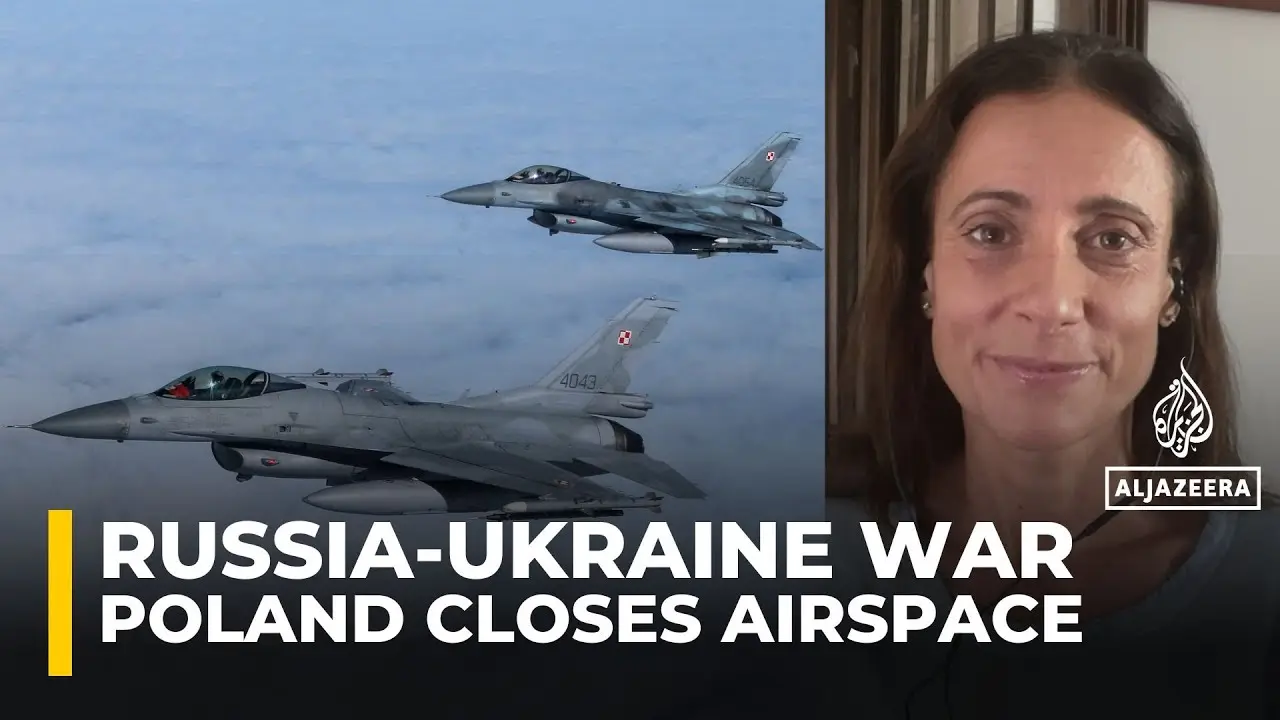
The recent decision by Poland to close its airspace has raised significant concerns among international observers and travellers. This action primarily stems from escalating security tensions in Eastern Europe, particularly connected to the ongoing conflict involving Ukraine and Russia. As geopolitical dynamics shift, understanding the implications of such decisions becomes increasingly crucial for those transporting goods and travelling in and out of the region.
Details of the Airspace Closure
On October 25, 2023, the Polish government announced the closure of its airspace to all commercial flights, effective immediately. This closure includes prohibiting flights over key military installations and areas bordering Ukraine and Belarus. The Polish Ministry of Defence cited the need to protect national security interests as its primary motive, highlighting increasing military maneuvers by neighbouring countries.
This decision has triggered a cascade of reactions. Numerous airlines, including LOT Polish Airlines and Western European carriers, have begun rerouting flights to avoid Polish airspace. Passengers have faced cancellations and delays, causing frustration and uncertainty accompanying travel plans. Officials have urged the public to check with their airlines for updates and possible alternatives.
Regional and International Reactions
The airspace closure has not only affected airlines but has also drawn reactions from other nations. NATO allies are monitoring the situation closely, with several member countries voicing support for Poland’s decision while emphasising the critical need for unity amidst growing threats in the region. Analysts suggest that this closure might signal an increased readiness among NATO countries to address any developments that could jeopardise the security of member states.
In contrast, Russia has condemned Poland’s move as provocative, accusing the country of escalating tensions unnecessarily. As the geopolitical climate remains fragile, both sides are exercising caution while preparing for any potential military actions. The airspace closure may be a preemptive measure, providing Poland with an added layer of security as the situation unfolds.
Conclusion
As Poland navigates these complex security challenges, the airspace closure serves as a pertinent reminder of the delicate balance between safety and accessibility in aviation. For travellers and businesses, this development underscores the importance of being informed about geopolitical events that could influence airline operations and international relations. With various implications for both the region and the global community, this situation demands ongoing monitoring and analysis as it unfolds. Whether the airspace will remain closed for an extended period or become a temporary measure is yet to be seen, but the international community is encouraged to stay vigilant and prepared for further announcements.