Introduction
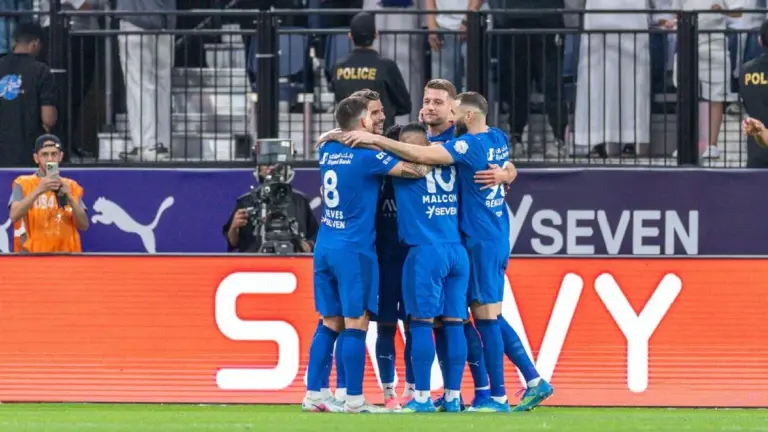
Football, known as soccer in some regions, continues to captivate millions around the globe, especially through television broadcasts. With the growing popularity of various leagues and competitions, the way football is presented on TV is evolving. Understanding the current dynamics, viewing trends, and technological advancements in football broadcasting is essential for fans and broadcasters alike.
Current Broadcast Landscape
As of 2023, several key competitions dominate the football viewing landscape. The English Premier League remains one of the most-watched leagues worldwide, alongside Spain’s La Liga and Italy’s Serie A. Major tournaments such as the UEFA Champions League and FIFA World Cup also draw massive television audiences, reinforcing the sport’s popularity.
Broadcasting rights have become a significant point of contention among networks. Major sports networks like NBC, ESPN, and Paramount+ are continuously adjusting their strategies to secure the most advantageous deals. For example, NBC recently announced a new broadcasting deal for the Premier League, expanding its coverage to include more live matches and related programming.
Technological Innovations
The experience of watching football on TV has greatly improved due to technological advancements. High-definition (HD) broadcasts have become standard, and many networks are now offering 4K live games. Augmented reality (AR) and virtual reality (VR) enhancements are being explored, allowing fans to experience games from different perspectives. Moreover, interactive features such as live commentary, player statistics, and real-time analytics add an engaging layer to the viewing experience.
Impact of Streaming Services
The rise of streaming services has also reshaped how football is consumed. Platforms like Amazon Prime Video and DAZN are not only acquiring rights to major leagues but also creating original football-related content. This shift towards digital platforms caters to younger audiences who prefer on-demand viewing over traditional television.
Conclusion
The landscape of football on TV is evolving rapidly, with traditional broadcasting methods adapting to meet changing viewer preferences. As competition for broadcasting rights intensifies and technology continues to advance, fans can expect an increasingly immersive experience when watching their favorite sport. As we look ahead to the next World Cup and the ongoing league seasons, the continued evolution of football broadcasts will play a crucial role in how the sport is experienced globally. The future of football on TV is bright, promising exciting developments that will enhance viewership and engagement.