Introduction
The Elizabeth Line, a major addition to London’s transport network, officially opened to the public in May 2022 after years of construction, providing significant benefits to commuters and easing travel across the capital. Named after Queen Elizabeth II, this new rail line connects central London with the outer suburbs, and its importance lies in improving accessibility, supporting economic growth, and reducing congestion on existing transport routes.
Key Features and Benefits
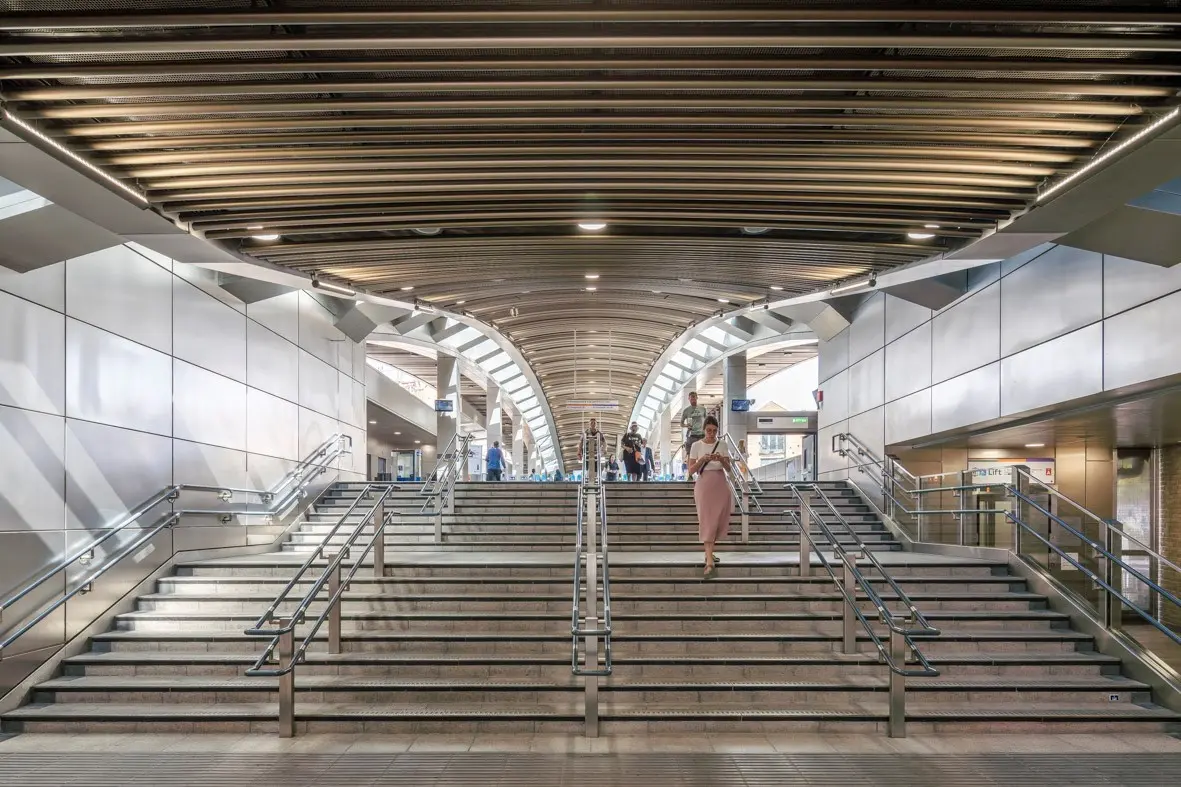
The Elizabeth Line stretches over 60 miles, running from Reading and Heathrow in the west through central London to Shenfield and Abbey Wood in the east. It features 41 stations, with 10 new stations built specifically for the line. The introduction of this line has drastically altered the commuting landscape for many Londoners, with increased capacity to accommodate up to 24 trains per hour at peak times.
One of the major impacts of the Elizabeth Line is the reduction in travel time across key routes. For example, the journey from Paddington to Abbey Wood that used to take over an hour can now be completed in just 31 minutes. This has made commuting more efficient, providing a significant boost to productivity for businesses along the line.
Economic Impact
According to Transport for London (TfL), the Elizabeth Line is expected to contribute £42 billion to the UK economy over its first decade of operation. By enhancing the connectivity of traditionally underserved areas, it likely will promote job creation and spur development, particularly in boroughs that had faced disparities in transport services. Local businesses are already reporting increased footfall as residents discover the ease of accessing central London.
Environmental Considerations
In an era of increasing focus on sustainability, the Elizabeth Line also aims to promote greener travel options. The whole line runs on electric power, significantly reducing the carbon footprint associated with traditional car journeys. With higher capacity trains and an efficient system, the Elizabeth Line is set to play a vital role in London’s strategy to tackle air pollution and lead towards a more sustainable future.
Conclusion
The Elizabeth Line represents a pioneering advancement in London’s transport infrastructure, with far-reaching effects on both economic growth and environmental sustainability. As more people use this efficient new way to travel across the capital, the line will not only enhance daily commutes but also redefine how Londoners interact with their city. With its promise to connect communities and foster economic opportunities, the Elizabeth Line stands as a symbol of progress in modern urban transport.