Introduction
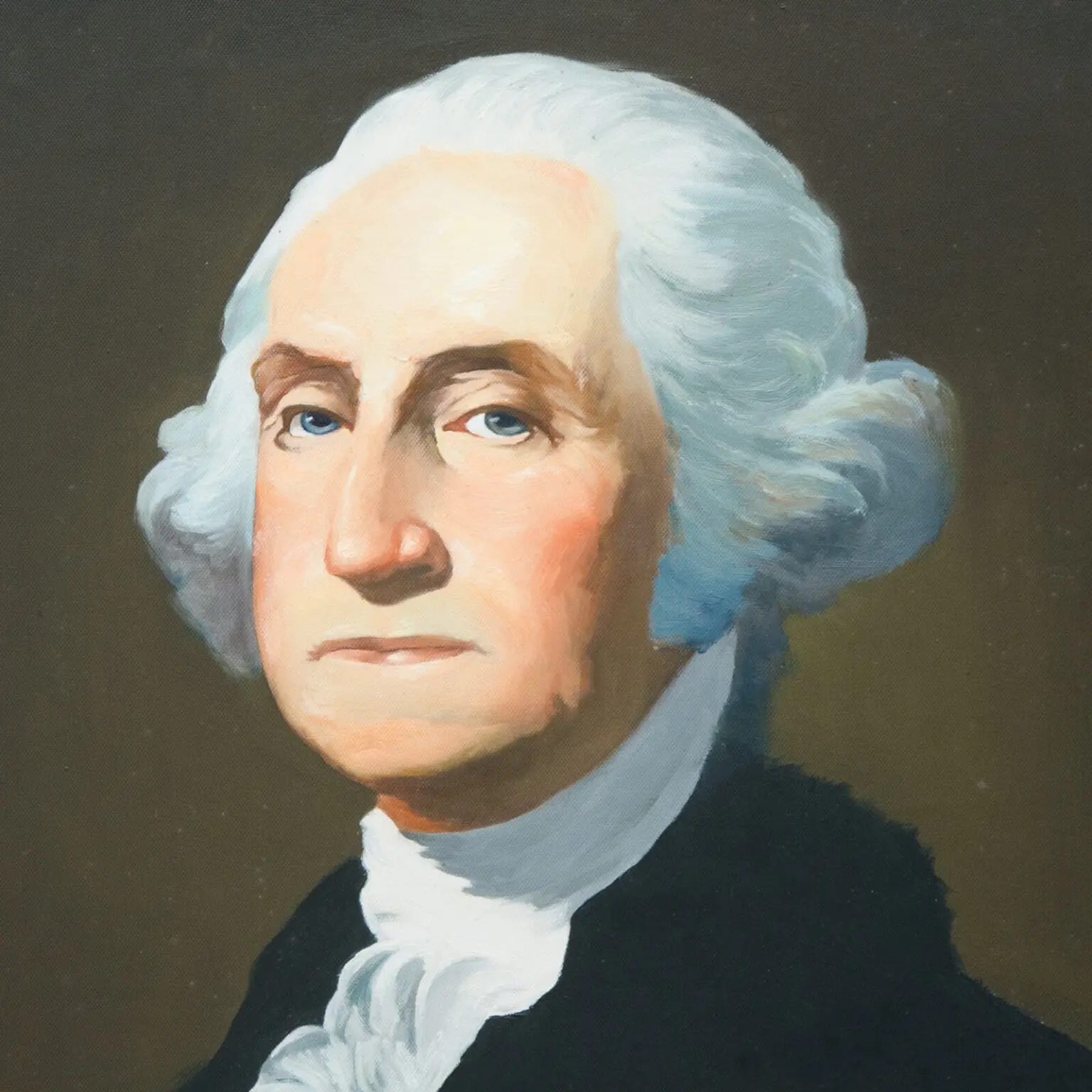
George Washington stands as a towering figure in American history, known as the “Father of His Country.” His leadership during the American Revolution and his role as the first President of the United States established foundational principles that continue to influence the nation today. Understanding his contributions is essential in appreciating the development of the United States and its governance.
Early Life and Military Career
Born on February 22, 1732, in Westmoreland County, Virginia, Washington grew up immersed in the land and culture of colonial America. He initially worked as a surveyor before entering military service, where he gained valuable experience during the French and Indian War. This early exposure to military leadership would prove crucial in 1775 when he was appointed the Commander-in-Chief of the Continental Army in the fight for independence from British rule.
Leadership During the American Revolution
Washington faced numerous challenges during the Revolutionary War, including resource shortages, skilled enemy forces, and a lack of training among his troops. However, his resilience and strategic thinking led to significant victories, such as the pivotal Battle of Trenton in 1776. His leadership galvanized patriotism, and his ability to maintain unity among the colonies was instrumental in securing American independence.
Presidency and Legacy
Following the war, Washington was unanimously elected as the first President of the United States in 1789. His presidency set many precedents, including the formation of a cabinet and the establishment of a two-term limit for future presidents. He emphasized the importance of unity and neutrality in foreign affairs, principles that shaped U.S. policy for generations. Washington’s Farewell Address in 1796 is still cited today for its warnings against political factions and foreign entanglements.
Conclusion
George Washington’s enduring legacy is evident in the principles and values that define the United States. His commitment to public service, leadership, and integrity continue to inspire future generations. As we approach the anniversary of his birth, it’s essential to reflect on how Washington’s contributions have shaped the fabric of American society and governance. Understanding his role not only as a leader but as a symbol of the democracy we cherish today provides invaluable insights into the history and identity of the United States.