Introduction
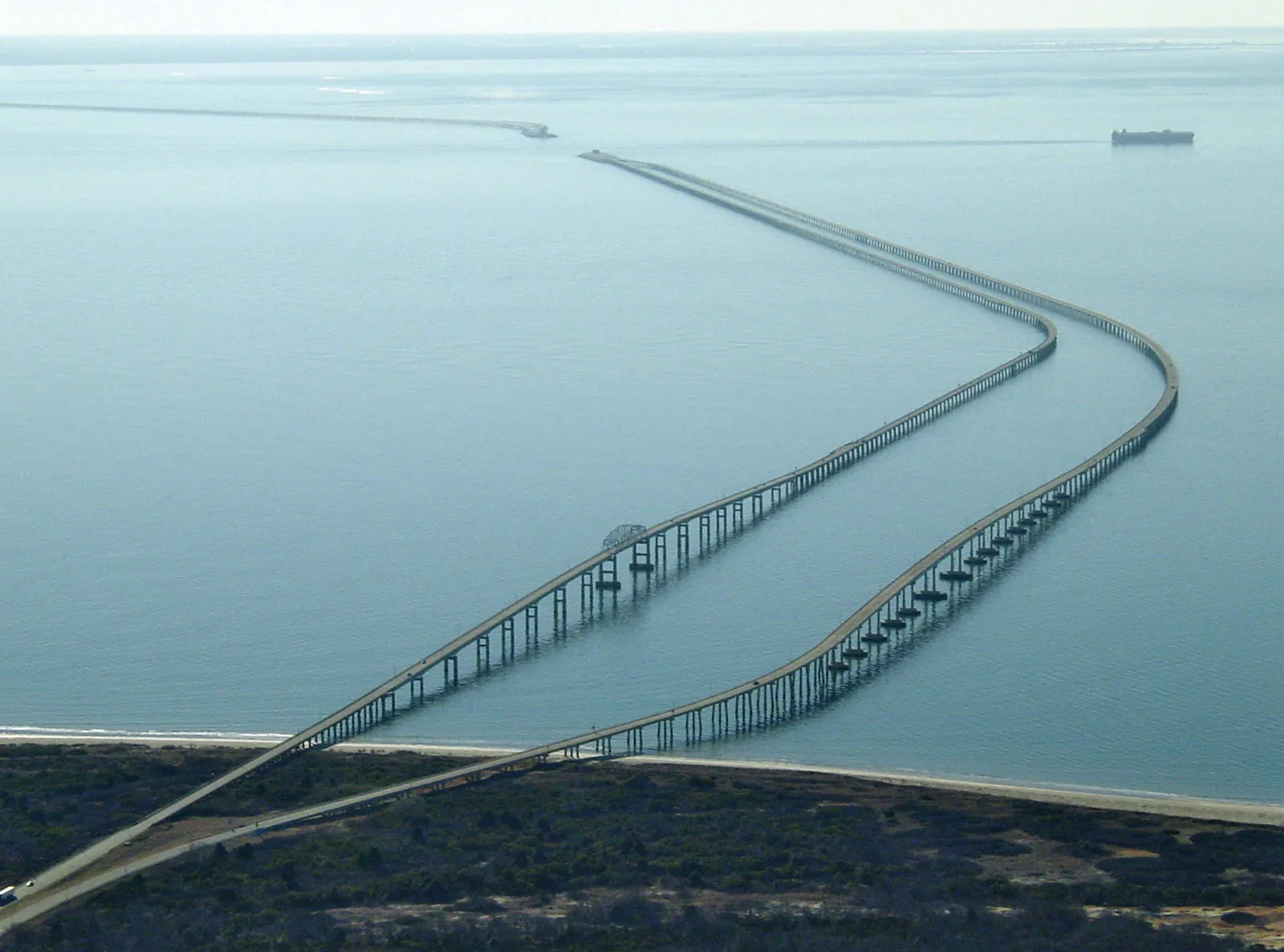
The Chesapeake Bay Bridge is one of the most iconic structures in the United States, serving as a critical link between Maryland’s eastern and western shores. Opened in 1952, this engineering marvel spans approximately 4.3 miles and is essential for local and state transportation, significantly impacting the economic landscape of the region. As a pivotal route for commuters, tourists, and freight, understanding the bridge’s current status and ongoing developments is crucial for residents and travelers alike.
Recent Developments
In recent months, the Chesapeake Bay Bridge has undergone significant maintenance projects aimed at ensuring safety and improving traffic flow. The Maryland Transportation Authority (MDTA) has announced a series of planned repairs and upgrades, beginning in late 2023, that include important structural assessments and enhancements to the bridge’s infrastructure.
One key project involves the replacement of the bridge’s main deck, which has shown signs of wear and tear due to the high volume of traffic. According to MDTA, over 27 million vehicles traverse the bridge each year, and the deck replacement aims to enhance safety and extend the structure’s lifespan.
Additionally, to alleviate congestion during peak travel seasons, officials are exploring the implementation of new traffic management technologies. Innovations such as adaptive signal control systems that adjust to real-time traffic conditions could significantly reduce wait times and improve overall travel efficiency.
Environmental Considerations
The Chesapeake Bay area is not only vital for transportation but also for ecology and tourism. The bridge’s role in facilitating access to surrounding natural resources and recreational sites highlights the need for environmental sustainability in ongoing projects. Efforts to minimize the impact on local wildlife and preserve the Bay’s ecosystem are central to MDTA’s planning. Recent surveys have indicated that minimal disruption to local habitats will be prioritized during any maintenance projects.
Conclusion
The Chesapeake Bay Bridge continues to play a crucial role in connecting communities and driving economic growth. As Maryland invests in necessary repairs and upgrades, it is essential for stakeholders and the public to remain informed about developments affecting this vital infrastructure. Keeping the bridge safe and functional will not only benefit local residents but also enhance the experience for tourists who flock to the region for its natural beauty and recreational opportunities. The bridge remains a significant symbol of connectivity and resilience, illustrating the importance of infrastructure in our daily lives.