Introduction
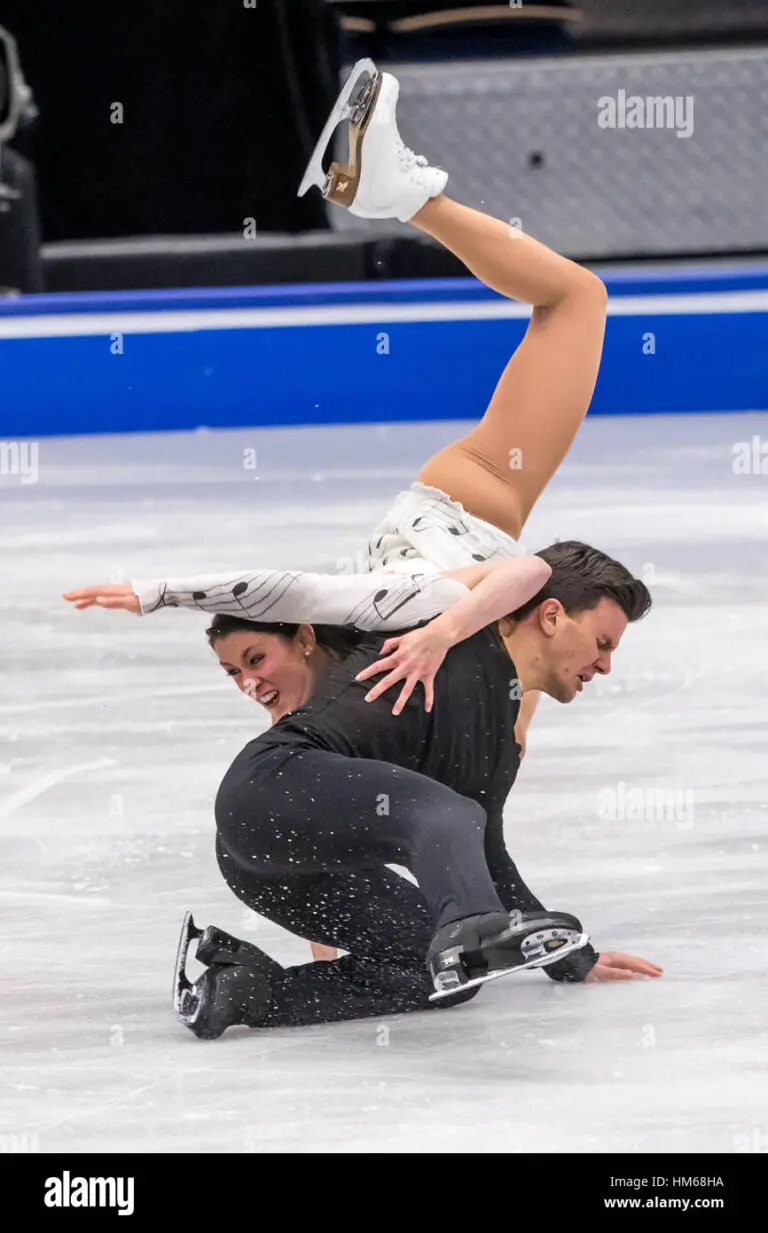
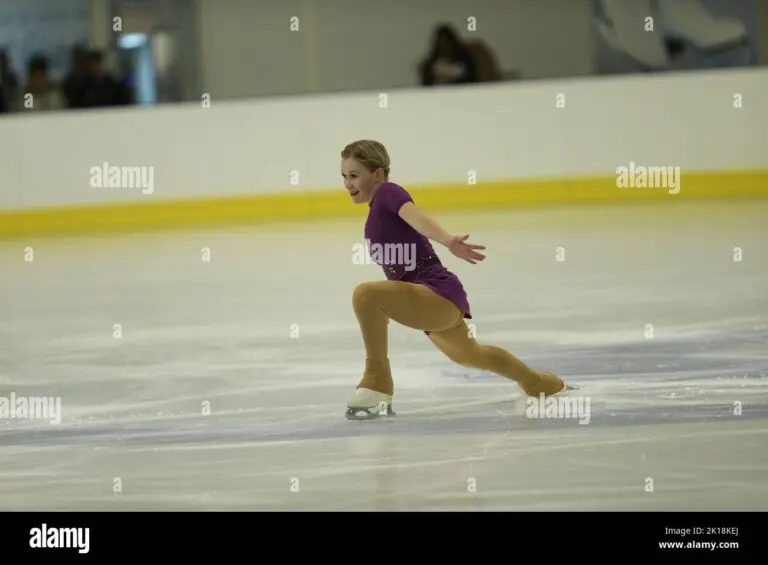
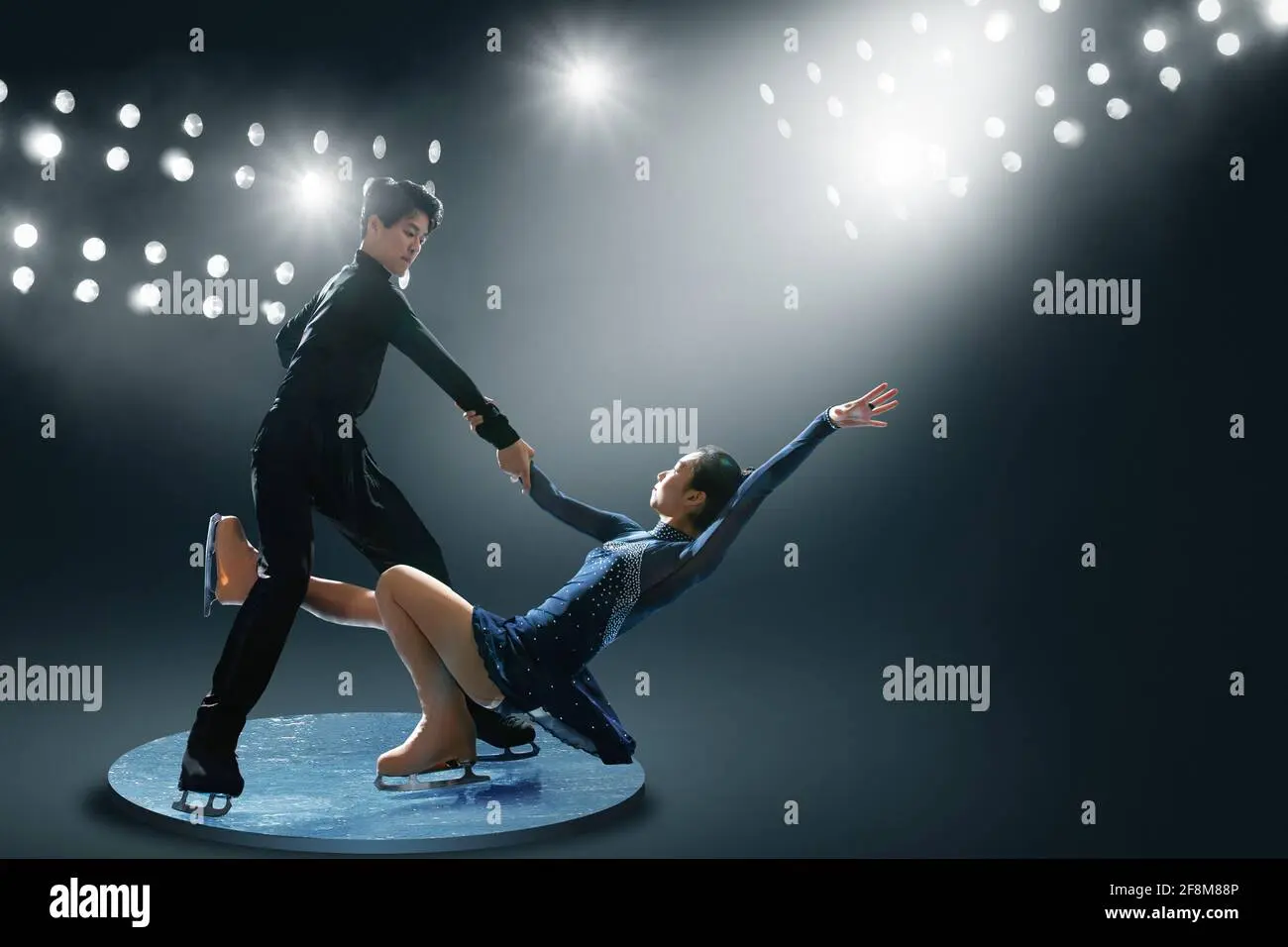
Pairs figure skating is a breathtaking and intricate sport that combines athleticism and artistry on ice. As one of the most captivating disciplines in figure skating, pairs skating involves two skaters performing together, showcasing their skills and teamwork through various jumps, spins, lifts, and choreography. The relevance of pairs figure skating is underscored by its prominence in competitions like the Winter Olympics and World Championships, where athletes captivate audiences with their precision and performance. Recently, the discipline has also gained attention for its evolving techniques and the impact of international competitions on skater partnerships.
Recent Developments in Pairs Figure Skating
With the upcoming 2026 Winter Olympics in Milan-Cortina, pairs figure skating is witnessing significant developments. Elite pairs such as Wenjing Sui and Cong Han from China have set high standards with their exceptional performances, winning multiple world titles and captivating audiences worldwide. Notably, innovations in training techniques and performance elements have pushed boundaries. Coaches are now emphasizing the importance of psychological preparation alongside physical training, recognizing its vital role in competitions.
Additionally, national championships are acting as a precursor to Olympic selection, with various skaters aiming to secure their spots based on their performances. The ongoing competitive season has seen an increase in new partnerships across countries, leading to diverse interpretations of routines and styles. In the United States, the national championships have showcased emerging talent while maintaining a healthy level of competition among veterans.
The Significance of Pairs Skating
The significance of pairs figure skating extends beyond the ice. It symbolizes teamwork, trust, and creative expression. The dynamic between partners is crucial, as they must rely on each other’s strength and timing to execute challenging elements. Viewers are not just spectators; they become emotionally invested in the pair’s journey, which can make or break a performance. This aspect adds a layer of depth to the sport that resonates with audiences.
Furthermore, the growing emphasis on diverse representation in pairs skating has garnered attention. Skaters from various backgrounds and nationalities are stepping into the sport, enriching its tapestry. This shift allows for new choreography styles and storytelling elements, reflecting broader societal changes and embracing inclusivity.
Conclusion
As pairs figure skating continues to evolve, athletes are not only competing for medals but also shaping the future of the sport. The upcoming competitions are expected to highlight the intricate balance of performance, athleticism, and artistry, making pairs skating a discipline to watch closely. For fans and aspiring skaters alike, the developments in this area promise an exciting season ahead, with a focus on innovation, representation, and the undying spirit of collaboration on ice.