Introduction
Dennis Rodman, a name synonymous with basketball excellence and cultural eccentricity, continues to capture public interest even years after his prime. Known for his extraordinary defensive skills and ability to rebound, Rodman is not only a five-time NBA champion but also a complex character whose influence extends far beyond the court. Understanding Rodman’s multifaceted impact is crucial as it highlights the intersection of sports, celebrity, and culture.
Rodman’s Basketball Career
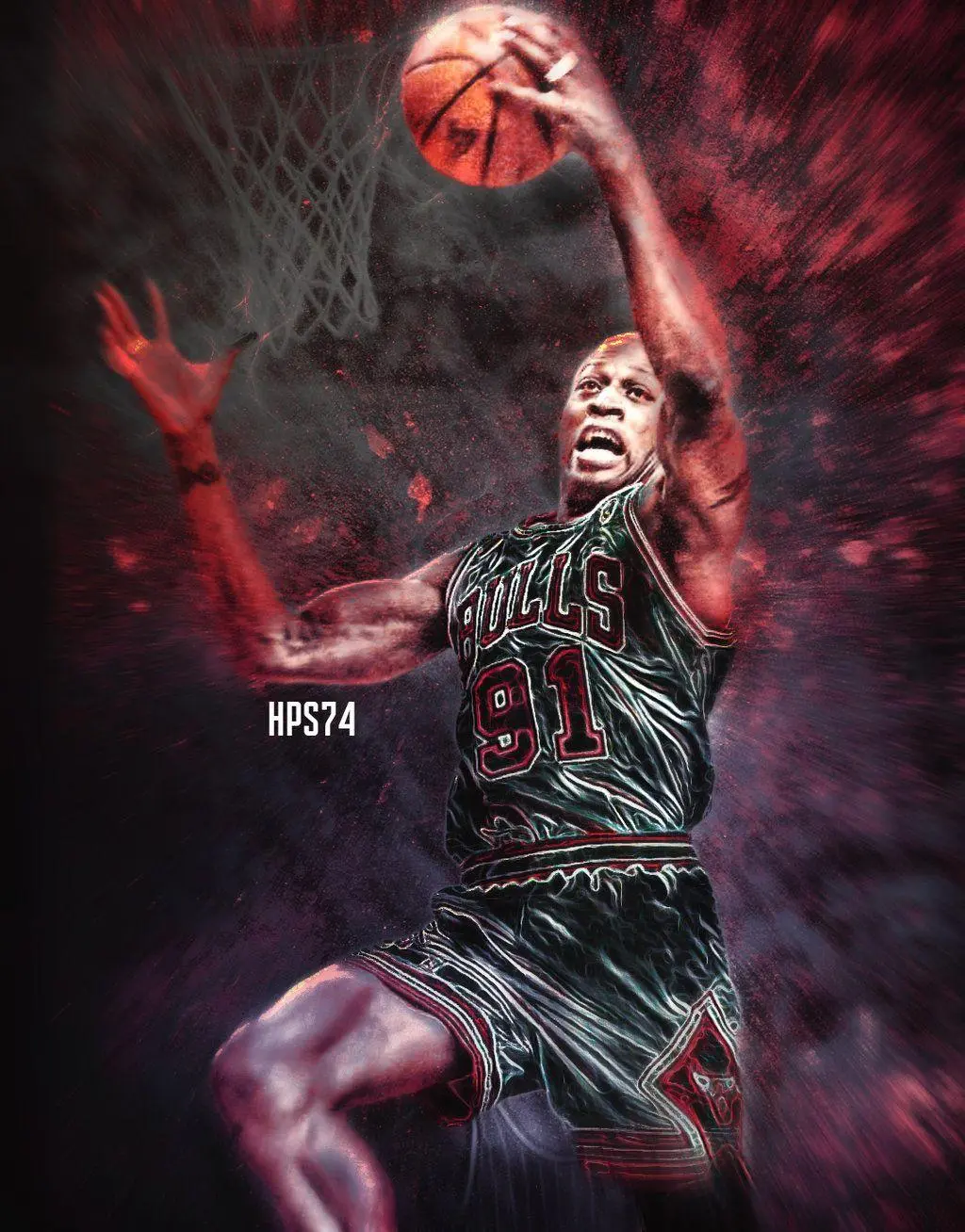
Born on May 13, 1961, in Trenton, New Jersey, Dennis Rodman faced significant challenges early in his life. Rising to prominence in the NBA with teams like the Chicago Bulls and Detroit Pistons, Rodman became known for his remarkable defensive capabilities. He was instrumental in leading the Pistons to consecutive championships in 1989 and 1990, earning the title of NBA Defensive Player of the Year multiple times.
However, it was during his tenure with the Chicago Bulls from 1995 to 1998 that Rodman garnered national superstardom. Playing alongside legends Michael Jordan and Scottie Pippen, he helped the team secure three consecutive championships. Renowned for his unmatched work ethic on the glass, Rodman remains one of the greatest rebounders in NBA history, averaging 13.1 rebounds per game throughout his career.
Cultural Impact and Controversies
Rodman’s impact goes beyond sports; he is a cultural phenomenon. With his colorful hair, tattoos, and eccentric fashion choices, he shattered the mold of what an athlete could be. His friendships with global figures, most notably North Korea’s Kim Jong-un, have positioned him as an unlikely ambassador, showcasing the intersection between sports and politics.
Despite his successes, Rodman’s career was not without controversy. His behavior, which included on-court antics and off-court legal troubles, often made headlines. Yet, these very controversies contributed to his notoriety, transforming him into a media darling and an enigmatic figure who constantly challenged societal norms.
Conclusion
As Dennis Rodman continues to be a part of pop culture discussions and sporting narratives, his legacy remains multifaceted. Whether as a revered athlete, a cultural icon, or a political bridge-builder, Rodman’s life emphasizes the extraordinary ability of sports figures to transcend their primary role. Looking forward, his influence is likely to persist as a reflection of the ever-evolving landscape of sports and society, reminding us that champions can wear many hats.