Introduction
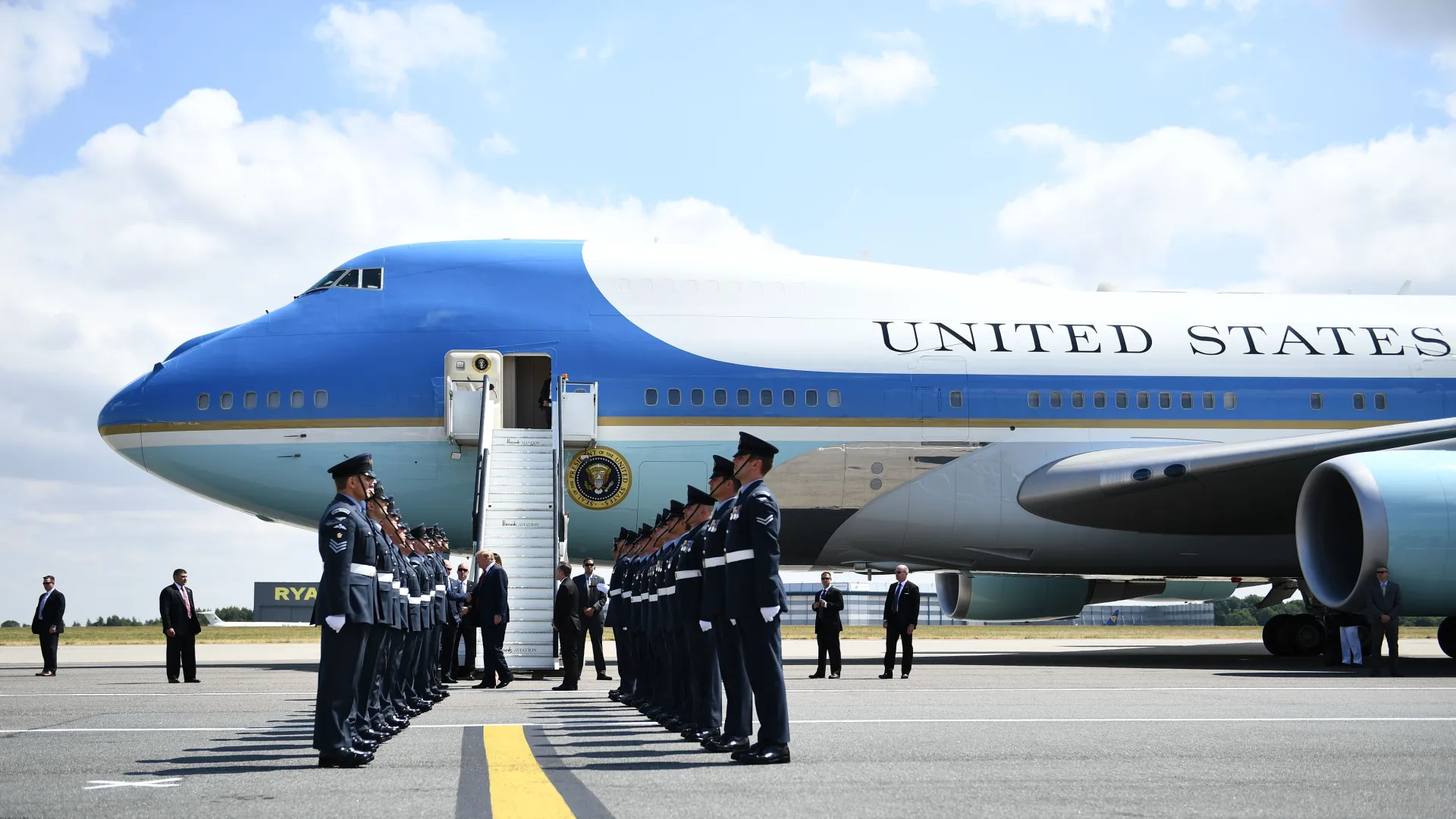
The design of Air Force One has long been a symbol of presidential authority and American identity. Recent discussions surrounding former President Donald Trump and his proposed paint scheme for the aircraft have reignited public interest in the iconic jet. This topic carries weight not only due to the airplane’s historical significance but also because it reflects how leaders choose to represent the nation visually.
The Proposed Changes
In late October 2023, former President Trump revealed his intention to revamp Air Force One with a striking new color scheme, moving away from the traditional blue and white that has characterized the plane since the Kennedy era. Trump has expressed a preference for a stark red, white, and blue palette, stating that it would better reflect the American spirit. The proposed design aims to evoke a sense of pride and patriotism during national and international flights, aligning with Trump’s broader vision of American exceptionalism.
Historical Context
Air Force One has been an emblem of presidential power since the 1950s, democratizing its aesthetic with each successive administration. The original colors were adopted during the Eisenhower administration and modified slightly during the Kennedy administration. Changes are rare, with a single signature often defining the plane for decades. The potential for a redesign comes with complex implications about how the perceived identity of the presidency may shift alongside the public’s opinions of the president himself.
Reactions and Opinions
The announcement has met with mixed reactions across the political spectrum. Supporters argue that the new color scheme and design would instill patriotism and reflect the desires of the American people. Critics, however, contend that such a change could be seen as frivolous during a time when political division is rife and public confidence in governance is vulnerable. Many have also raised concerns about the costs associated with reworking an essential piece of national infrastructure, suggesting that taxpayer money should not be spent on cosmetic changes.
Conclusion
As discussions continue regarding Trump’s vision for Air Force One, it is important to reflect on the implications of such a transformation. The airplane serves as a mobile representation of the United States and its leader, making any alterations worthy of scrutiny. Moving forward, the significance of a redesigned Air Force One may serve not only as a symbol of presidential pride but also as a barometer for public sentiment regarding leadership in America.