The Importance of Iran in Today’s World
Iran, a nation steeped in history and culture, continues to play a crucial role in shaping modern geopolitical landscapes. With its strategic location, vast oil reserves, and influential culture, Iran’s actions reverberate across Middle Eastern stability, global energy supplies, and international diplomatic relations. Recent developments in the country have raised both concerns and opportunities that merit global attention.
Recent Developments in Iran
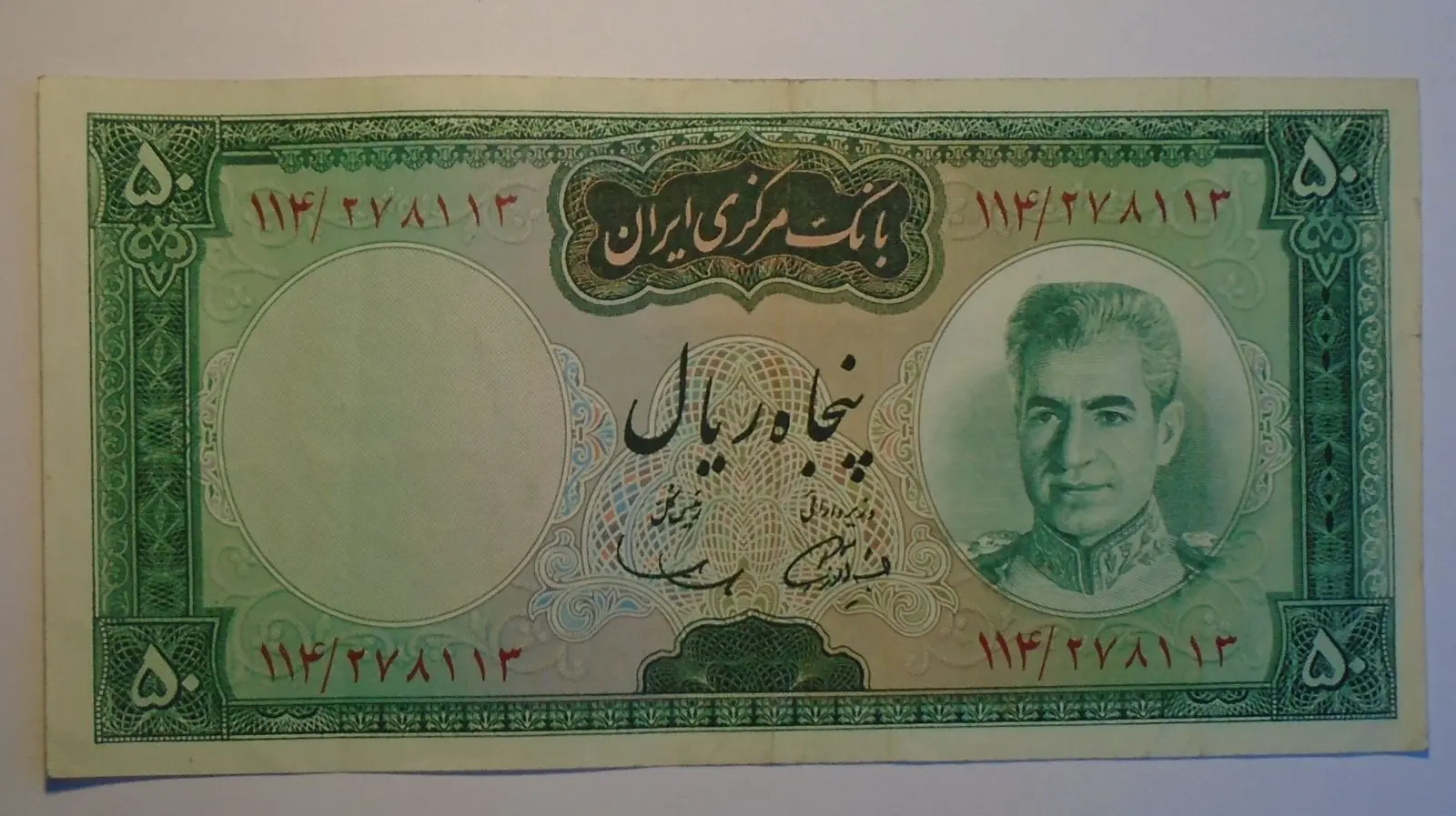
In recent months, Iran has been at the center of significant political and economic shifts. Amid ongoing tensions surrounding its nuclear program, the Iranian government has faced increased pressure from international sanctions and economic downturns exacerbated by the COVID-19 pandemic. As of October 2023, Iran’s currency, the Rial, has plunged to record lows, rendering basic goods unaffordable for many citizens, which has sparked widespread protests in urban centers across the nation.
Additionally, Iran’s domestic policies have drawn scrutiny. The government has imposed strict measures on freedom of expression and assembly, often responding violently to dissent. Calls for reform have been met with force, creating a tense political environment. Reports indicate a crackdown on various rights activists, further complicating the landscape for those advocating for change.
Geopolitical Implications
The international response to these developments has varied. The Biden administration has signaled a willingness to re-engage in negotiations regarding Iran’s nuclear activities while also assuring allies in the region, particularly Israel and Saudi Arabia, of continued support. This balancing act poses a challenge, as Iran maintains its influence through proxy groups across the region, notably in Iraq, Lebanon, and Yemen.
Moreover, Tehran has been pursuing ties with countries such as Russia and China, diversifying its economic partnerships in response to Western sanctions. The recent agreements in energy cooperation with China are indicative of Iran’s adaptability in the face of adversity and its strategic pivot towards non-Western allies.
Conclusion and Future Outlook
As we look ahead, the situation in Iran remains fluid. Analysts suggest that without meaningful economic reforms and a dialogue with the populace, the Iranian government may continue to face significant internal dissent. Furthermore, the international community’s approach in balancing diplomacy with deterrence will be vital in shaping both Iran’s future and the broader Middle Eastern dynamics.
In summary, Iran’s path is critical not just for its citizens but for global geopolitics. Observers around the world should monitor the developments closely as the outcomes will have lasting implications for peace, security, and energy resources in the region.