Introduction
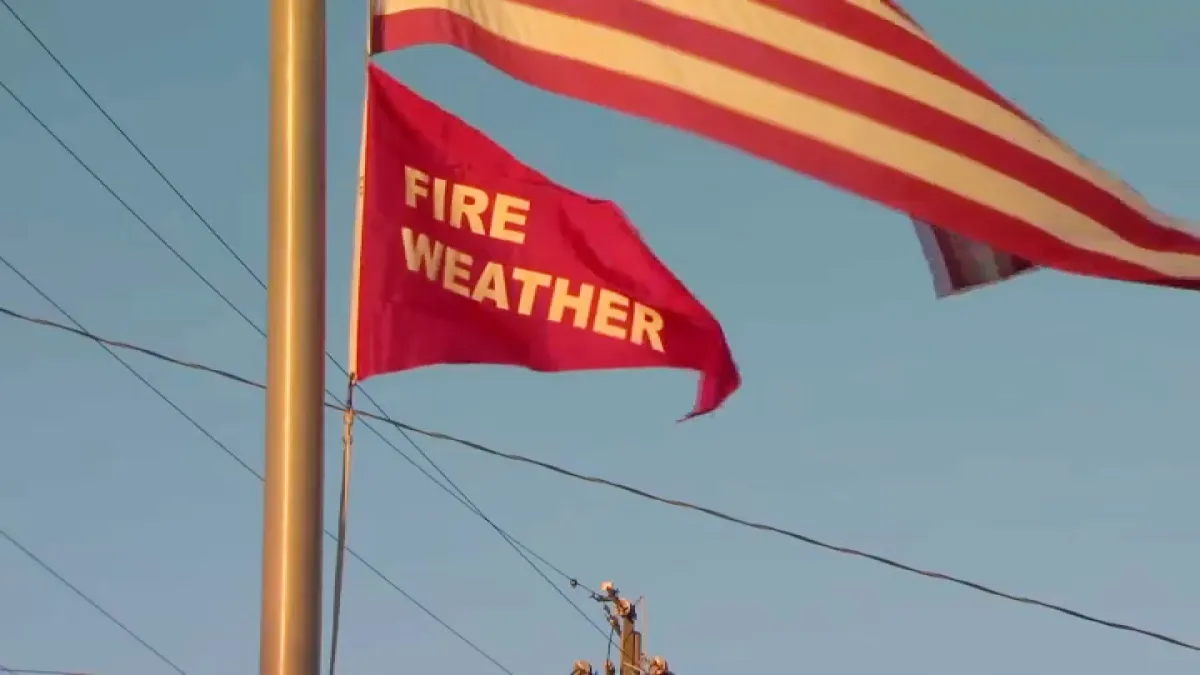
Fire weather watches are crucial alerts issued by meteorological organizations to inform residents of potential fire outbreaks due to dry weather conditions, high temperatures, and strong winds. As wildfire incidents continue to rise, understanding fire weather watches becomes increasingly important for communities vulnerable to such disasters.
What is a Fire Weather Watch?
A fire weather watch is issued when weather conditions are favorable for the development of wildfires but are not currently occurring. This alert is typically posted at least 24 hours in advance of the expected conditions, allowing individuals and firefighting agencies to prepare for an increased risk of fire.
Recent Developments
In California, officials recently issued fire weather watches across various regions as a combination of high winds and low humidity raised concerns for potential wildfires. The National Weather Service warned that regions like Southern California could see gusts exceeding 40 miles per hour, making it imperative for residents to stay vigilant and adhere to safety protocols.
Additionally, in Texas and New Mexico, fire weather watches have been declared due to ongoing drought conditions, coupled with unseasonably high temperatures. Local fire departments have urged citizens to avoid outdoor burning and to report any signs of smoke or flames immediately.
Impact of Climate Change
Experts link the increasing frequency and intensity of fire weather watches to climate change, which is causing longer dry spells, higher temperatures, and changes in regional weather patterns. As fire seasons grow longer, communities are starting to pay closer attention to these alerts as prevention strategies become more critical.
Conclusion
Fire weather watches serve as a critical warning system for communities at risk of wildfires. Understanding these alerts empowers individuals to take proactive measures to safeguard their properties and lives. As climate patterns continue to shift, it’s anticipated that fire weather watches will become more frequent, highlighting the need for increased public awareness and preparedness.