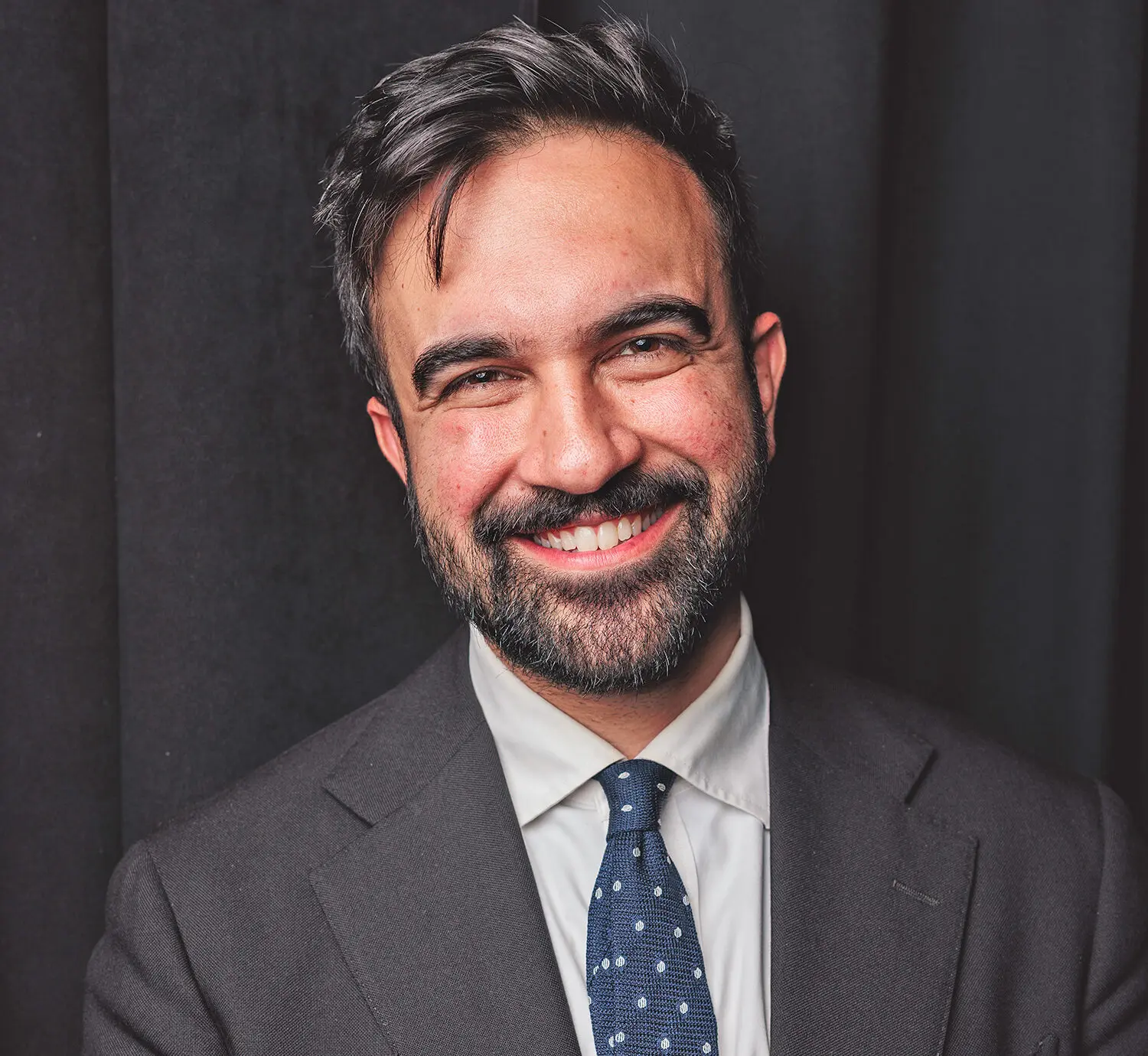
Introduction to Mahmood Mamdani
Mahmood Mamdani is a celebrated academic and scholar known for his influential contributions to African studies, political science, and post-colonial theory. His work examines the historical and cultural dynamics of Africa, particularly in the context of colonialism, violence, and governance. Through his extensive research and publications, Mamdani has become a pivotal figure in understanding the complexities of African societies and their political landscapes.
Significant Works and Contributions
Mamdani’s most renowned works include “Citizen and Subject” and “Good Muslim, Bad Muslim,” where he delves into the intersections of ethnicity, power, and identity. His argument that colonialism did not merely exploit but also restructured societies resonates deeply with contemporary debates on governance and state-building in post-colonial contexts. Mamdani has also been instrumental in analyzing the role of historical narratives in contemporary politics, urging scholars and policymakers to reconsider preconceived notions about African states.
Recent Events and Current Relevance
Recently, Mamdani has participated in various international forums, discussing the implications of his theories in light of recent African political upheavals and the global refugee crisis. His perspectives shed light on the political mechanisms that exacerbate conflict and division within countries, making them critically relevant in today’s discussions on governance and humanitarian issues. As nations face challenges of migration and ethnic tensions, Mamdani’s insights on state integration and policy-making are of paramount importance.
Conclusion: The Significance of Mamdani’s Work
Mahmood Mamdani’s scholarly work not only provides a framework for understanding past and present political dynamics in Africa but also offers a lens through which global audiences can better comprehend the complexities of identity and governance in the post-colonial world. His analysis encourages a critical approach to international relations, urging for attentiveness to the historical contexts that shape current events. As the world grapples with challenges stemming from migration, ethnic conflict, and political instability, Mamdani’s contributions remain vital for scholars, practitioners, and advocates seeking solutions for a more equitable future.