Introduction
Havana Syndrome has garnered significant attention since it was first reported by U.S. Embassy personnel in Cuba in late 2016. Initially perceived as a mysterious illness linked to unexplained health issues among diplomats, its implications have since expanded globally. As more cases emerge, understanding this syndrome’s nature and potential causes is critical for the health and safety of individuals working in sensitive diplomatic roles.
What is Havana Syndrome?
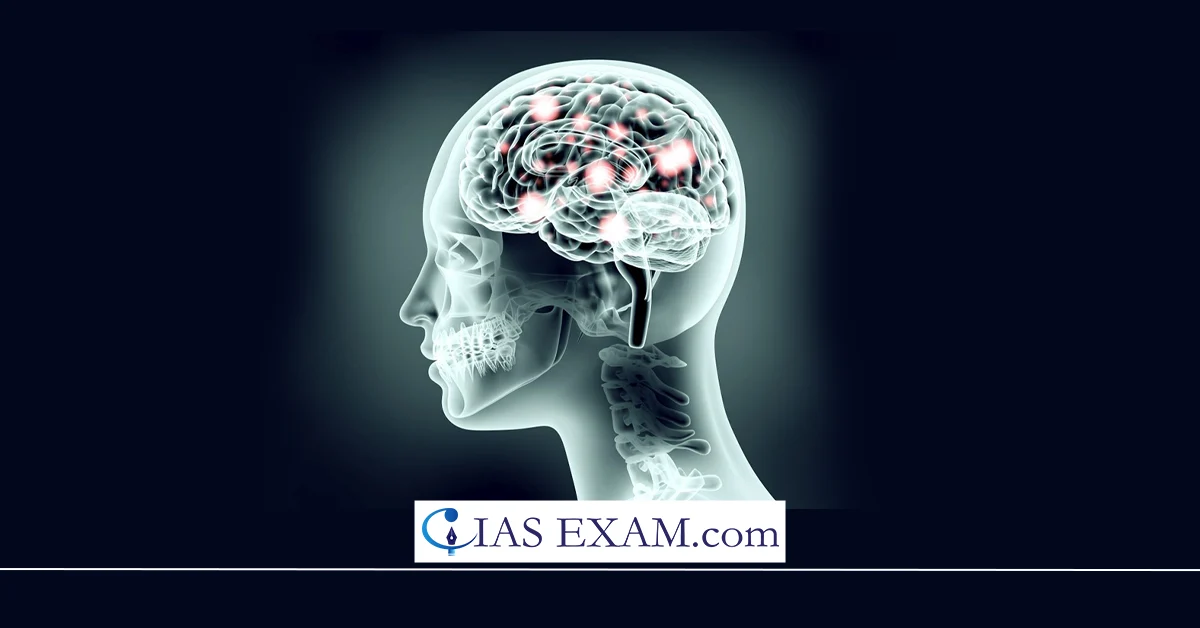
The symptoms of Havana Syndrome include severe headaches, dizziness, hearing strange sounds, cognitive difficulties, and other profound neurological effects. Reports have surfaced from various locations, including China, Russia, and even within the United States. The condition raises concerns about the health risks associated with new forms of psychological or directed energy attacks.
Recent Developments
In July 2023, a comprehensive report from the National Academies of Sciences, Engineering, and Medicine stated that the syndrome likely results from directed energy but emphasized that definitive conclusions remained elusive. The report suggests that while some victims experienced the syndrome after potential exposures, others showed signs of what might be more consistent with psychological trauma rather than biological agents.
Government and Research Response
In response to rising cases, both U.S. and Canadian governments have undertaken investigations into Havana Syndrome. In June 2022, the Biden administration established a task force specifically tasked with addressing potential threats to diplomats. The ongoing research aims to identify the nature of these attacks and develop protocols to protect personnel from future incidents.
Implications for Diplomats and High-Risk Individuals
The ramifications of Havana Syndrome extend beyond individual cases. As global tensions rise, the possibility of new, sophisticated forms of attacks increases, posing a risk to diplomats, intelligence officials, and others in sensitive roles. Awareness and precautionary measures will be paramount for these individuals as the global political landscape evolves.
Conclusion
While our understanding of Havana Syndrome continues to evolve, it highlights the profound mental and physical health challenges faced by those in diplomatic and high-risk environments. As investigations progress, the findings could not only clarify the nature of this mysterious condition but also usher in new preventative measures to safeguard the health of those on the front lines of international relations. For readers, remaining informed about such health issues is crucial as they reflect broader concerns about safety and the potential for emerging threats in an increasingly complex world.