Introduction
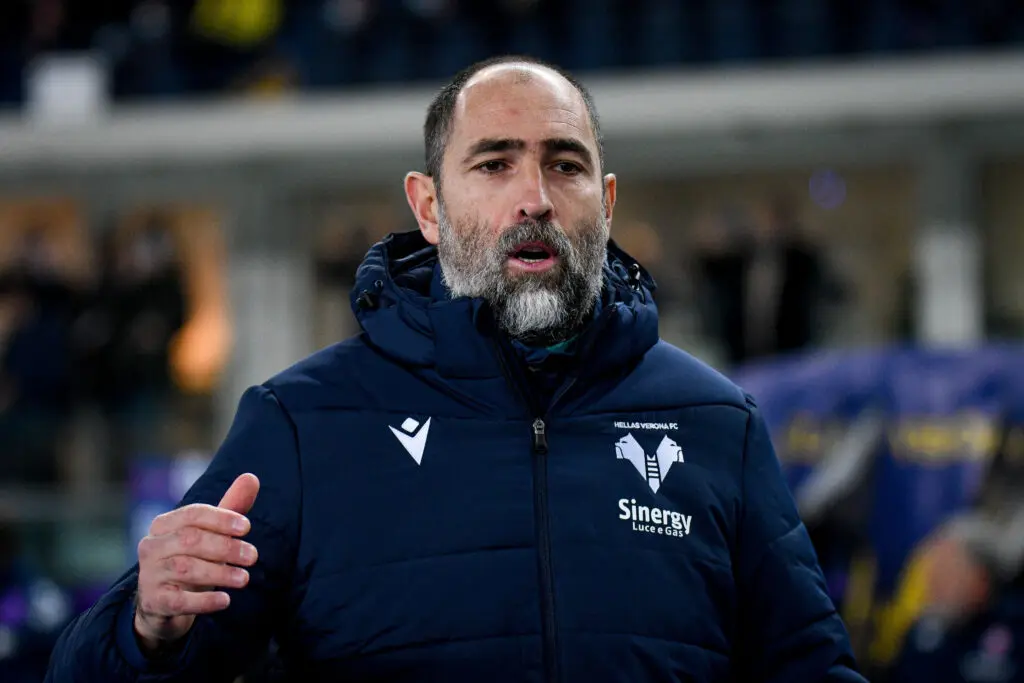
Igor Tudor has quickly emerged as one of the most notable names in football management, especially following his recent success with various clubs across Europe. With a playing career that included stints at clubs like Juventus and a national team representing Croatia, Tudor’s transition into management has drawn significant attention. His innovative approach and tactical acumen have become increasingly relevant in discussions around the future of coaching in football.
Recent Achievements
In the 2022/2023 season, Tudor took the helm at Marseille, where he brought a refreshed style of play that garnered both impressive results and fan support. Under his leadership, the team saw significant improvement, finishing highly in Ligue 1 and making strides in European competitions. His tactics typically emphasize a strong defensive organization coupled with swift counter-attacks, which have proven effective against some of France’s top clubs.
Beyond club success, Tudor’s management style has been recognized for developing young talent and incorporating a rigorous training regimen. This approach resonates in an era where football clubs increasingly value player development alongside immediate results.
Challenges Ahead
Despite his successes, Tudor faces ongoing challenges in the highly competitive environment of European football. The need to balance squad depth with tactical adaptability will be crucial as he navigates through the upcoming season, especially in Ligue 1 amidst a footballing landscape filled with historic clubs like PSG and Lyon. Moreover, the pressure of maintaining fan engagement and high-stakes expectations in European tournaments are constant factors in his role.
Conclusion
Igor Tudor’s trajectory in football management exemplifies how former players can translate their experience into effective coaching strategies. As he continues to develop as a manager, the football community will be watching closely to see how he tackles the challenges ahead. If Tudor can sustain his momentum, he may not only shape his teams’ destinies but also influence the broader narrative of modern football management in the years to come. His approach reflects a new generation of coaches, one focused on both tactical prowess and player growth, making him a key figure to watch in the future.