Introduction
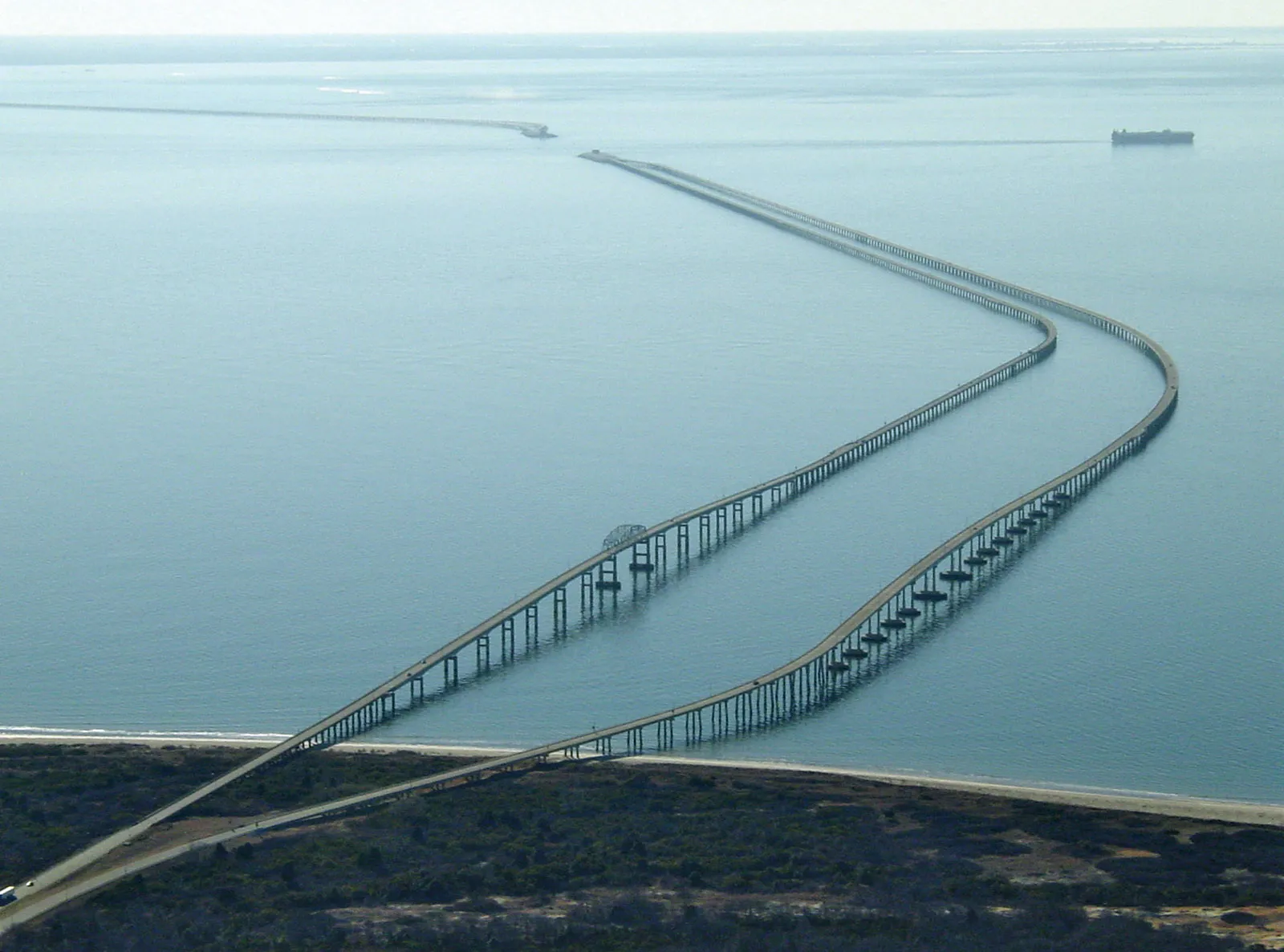
The Chesapeake Bay Bridge is more than just a crossing; it is an iconic symbol of engineering triumph and a vital transportation link in the United States. Spanning the Chesapeake Bay in Maryland, this dual-span bridge connects the Eastern and Western Shores of Maryland, playing a crucial role in local economy and tourism. Its significance is highlighted every year as millions of vehicles traverse its length, making it a critical artery for both commuters and travelers alike.
Construction and Features
The bridge, completed in 1952, stretches approximately 4.3 miles and has become a vital connector between the major population centers on either side of the bay. Initially, the idea was conceived in the 1920s, but construction didn’t begin until the late 1940s due to funding challenges and various local and political disputes. The project faced numerous engineering challenges, particularly due to the bay’s unpredictable weather and water depths. The engineers overcame these obstacles using innovative techniques, resulting in a structure that is not only functional but also aesthetically pleasing.
One of the notable engineering features of the Chesapeake Bay Bridge is its two spans, which were built in different periods. The original span features a more traditional design, while the twin span, which opened in 1973, incorporates modern advancements in materials and construction methods. The bridge’s elegant design and soaring towers have become a recognizable image of Maryland, often photographed and featured in tourism promotions.
Impact on Transportation and Economy
The Chesapeake Bay Bridge has transformed transportation in the region, significantly reducing travel time across the bay. Before the bridge, cars had to use ferries or make lengthy detours. Now, it facilitates the movement of goods and services, boosting local economies on both shores. Tourism has also flourished, as the bridge grants easy access to the scenic attractions of Maryland’s Eastern Shore, including beaches and state parks.
Challenges and Future Prospects
Despite its successes, the Chesapeake Bay Bridge faces ongoing challenges, including maintenance needs and increasing traffic congestion. The Maryland Transportation Authority continually evaluates the structural integrity and safety of the bridge to ensure it can handle modern demands. Future plans may involve upgrades and improvements to enhance safety and traffic flow. Public discussions around toll rates and traffic management have been increasingly prominent as the bridge remains a crucial link in Maryland’s infrastructure.
Conclusion
The Chesapeake Bay Bridge stands as an engineering marvel that continues to shape the landscape of Maryland’s transportation network. As it nears its 70th anniversary, the bridge not only serves as a vital link for commuters and travelers but also symbolizes the innovative spirit that drives infrastructure development. Its future will depend on careful management and ongoing investment to ensure it meets the demands of years to come, reinforcing its stature as one of America’s most notable structures.