Introduction
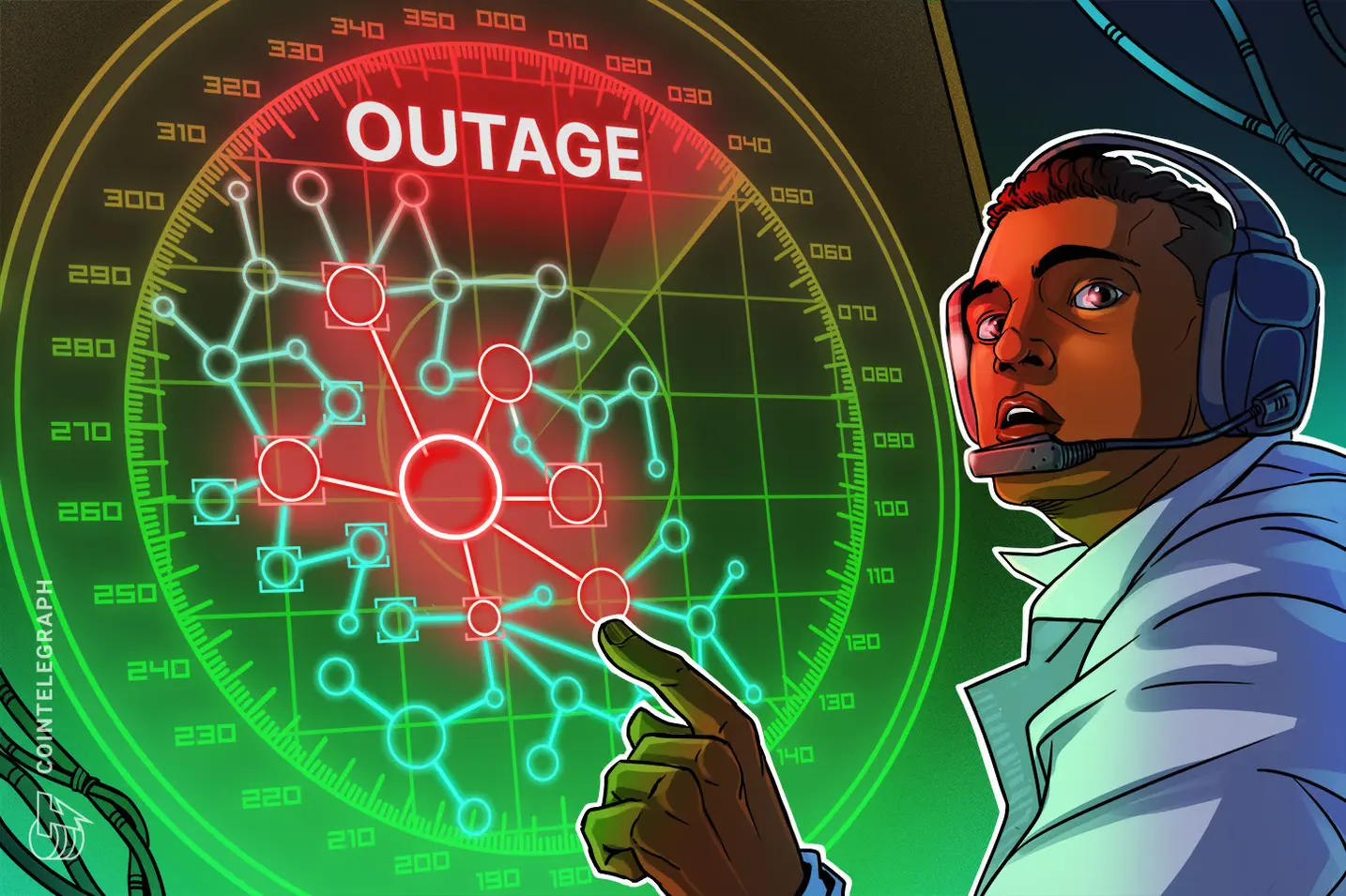
The recent outage of Amazon Web Services (AWS) has raised significant concerns about the reliability of cloud services that are critical to numerous businesses worldwide. As companies increasingly depend on cloud computing to power their infrastructure, understanding such outages and their implications is essential for stakeholders in various sectors. In this article, we will delve into the details of the AWS outage, its causes, and its far-reaching impacts.
What Happened?
On October 12, 2023, AWS experienced a major outage that lasted approximately four hours, affecting several regions across North America and Europe. Users reported issues accessing numerous services, including AWS Lambda, Amazon S3, and EC2 instances. Social media platforms, corporate websites, and applications that rely on AWS faced severe disruptions, leading to significant downtime.
Causes of the Outage
According to AWS, the root cause of the outage was a configuration change made during routine maintenance that inadvertently triggered cascading failures within their network. While AWS has a track record of minimizing outages, this incident highlights the complexities involved in managing large-scale cloud infrastructure.
Impact on Businesses
The disruption had a domino effect on businesses that rely heavily on AWS services. Companies like Netflix, Airbnb, and Snapchat reported service interruptions, resulting in potential revenue losses and customer dissatisfaction. E-commerce platforms also experienced a drop in sales as users faced difficulties accessing services.
Response and Recovery
AWS worked swiftly to diagnose and rectify the issue, implementing fixes and ensuring services were restored. They communicated regularly with their customers, providing updates on recovery efforts and reassuring them of their commitment to service reliability. AWS also issued guidelines for best practices to help businesses better prepare for future outages.
Looking Forward
While AWS remains a leader in cloud computing, businesses must recognize that outages can occur. Experts recommend developing comprehensive disaster recovery plans and diversifying cloud service providers to mitigate risks associated with single points of failure. As dependency on cloud technology increases, the significance of understanding and preparing for these outages cannot be overstated.
Conclusion
The AWS outage serves as a crucial reminder of the importance of reliability and preparedness in the digital age. As more businesses move to the cloud, the implications of such incidents must be taken seriously. Moving forward, stakeholders should prioritize improving their resilience against potential disruptions while examining the lessons learned from AWS’s recent experience.