Introduction
The recent closure of airspace over El Paso by the Federal Aviation Administration (FAA) has raised concerns for travelers and local airports. This incident comes amid increasing scrutiny over national airspace management and its impact on regional travel dynamics. Understanding the reasons behind this closure and its potential implications is critical for passengers, airlines, and air traffic controllers.
Details of the Airspace Closure
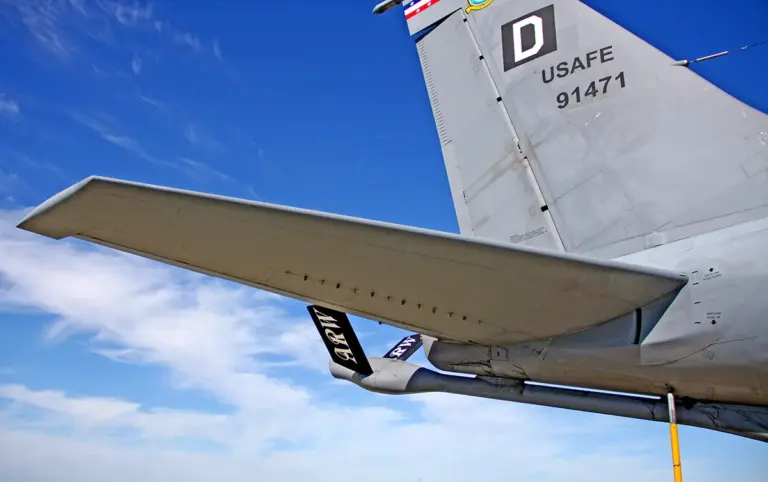
On September 22, 2023, the FAA announced a temporary airspace closure over El Paso, triggered by security concerns related to nearby military operations. According to the FAA, the closure was put in place to ensure the safety of both civil and military aircraft in the region. During this period, all commercial flights going in and out of El Paso International Airport (ELP) were affected, leading to significant delays and cancellations.
Local airline officials indicated that the sudden announcement caused confusion and led to a scramble to re-route flights. Travelers reported lengthy wait times as airline staff worked to accommodate passengers impacted by the disruption. The FAA assured the public that it would work diligently to lift the closure as soon as it deemed safe to do so.
Impact on Local Aviation and Passengers
The El Paso airspace closure not only inconvenienced thousands of passengers but also had broader implications for regional economies that rely on tourism and business travel. El Paso’s strategic location along the U.S.-Mexico border makes it a vital hub for cross-border air traffic, and any disturbances in service can have a domino effect on related industries.
Local officials have expressed their concerns about the impact of such closures on business and tourism, which are essential for maintaining a robust local economy. They have urged the FAA to improve communication and provide timely updates to avoid surprises in the future.
Conclusion and Future Outlook
While the FAA has lifted the airspace closure as of September 24, 2023, officials emphasize the importance of preparedness for any future disruptions. The agency is working on a plan to enhance coordination with military operations and minimize the impact on commercial flights.
For travelers, staying informed about potential airspace changes is crucial. As the aviation landscape evolves with both civilian and military interests at play, continued vigilance will be necessary for passengers and airlines alike to navigate air travel effectively in El Paso and beyond.