The Importance of Clavicular Health
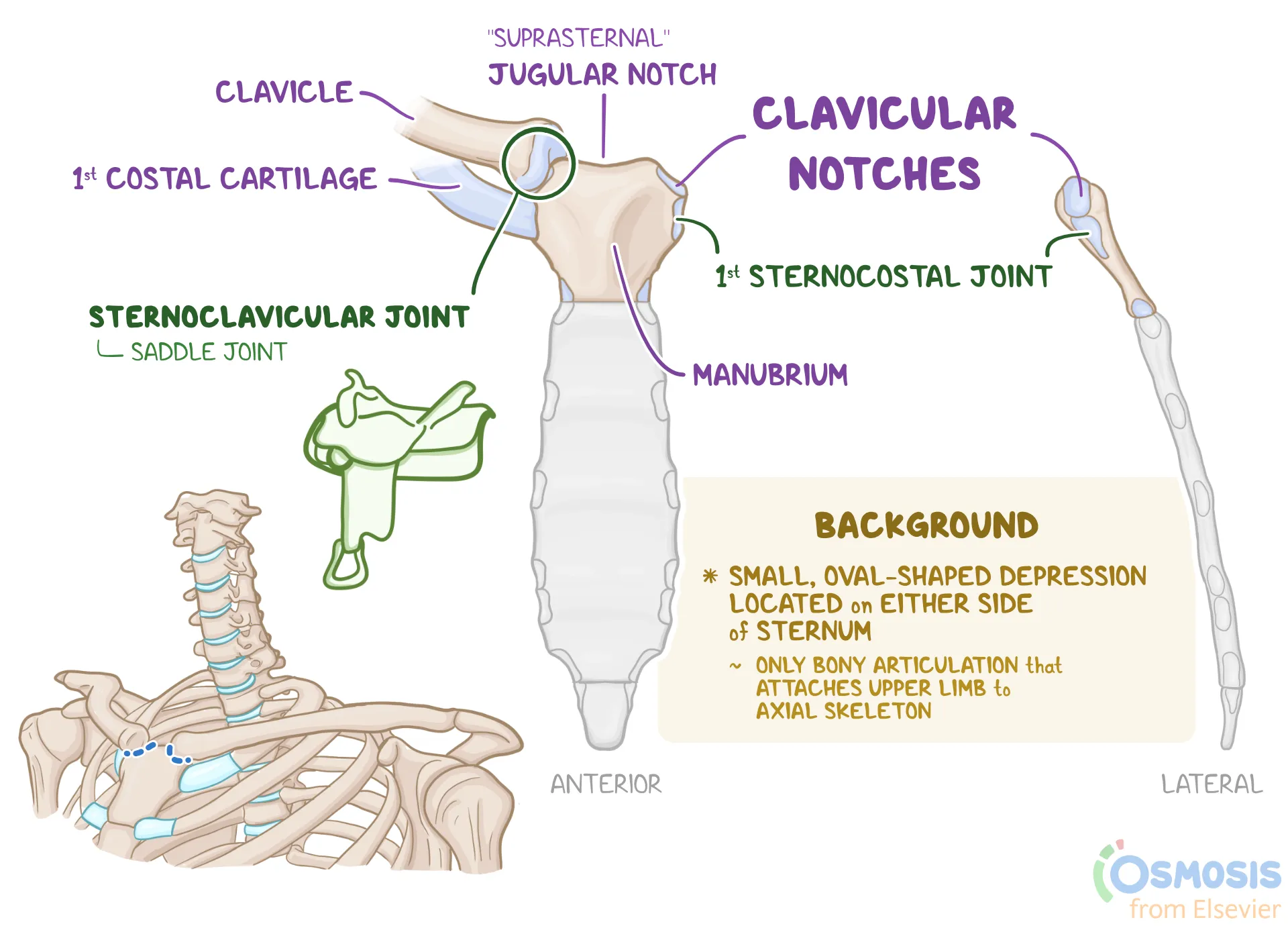
The clavicle, commonly known as the collarbone, is a crucial bone in the human body that connects the arm to the body and supports the shoulder. Clavicular health is essential for overall upper body function, and injuries to this area can lead to significant limitations in movement and pain. Understanding clavicular injuries, their causes, and treatment options is vital given their prevalence in sports and everyday activities.
Causes and Symptoms of Clavicular Injuries
Clavicular injuries commonly occur due to direct impacts from falls, accidents, or sports-related collisions. Athletes engaging in high-contact sports like football, rugby, or hockey are particularly susceptible. Additionally, fractures can also occur with low-impact injuries, especially in older adults due to osteoporosis. Symptoms of clavicular injuries typically include acute pain, swelling, difficulty moving the shoulder, and a noticeable bump or deformity in severe cases.
Diagnosis and Treatment Options
Diagnosis of a clavicular injury often involves a physical examination and imaging tests such as X-rays or CT scans to assess the extent of the injury. Treatment options vary based on the severity of the injury. For non-displaced fractures, conservative management including rest, ice, immobilization with a sling, and pain management with over-the-counter medications is often sufficient. In cases of severe fractures or displacement, surgical intervention may be required to realign the clavicle and secure it using plates or pins.
Rehabilitation and Recovery
Rehabilitation plays a crucial role in recovery following a clavicular injury. Physical therapy usually begins with gentle range-of-motion exercises and progresses to strengthening and flexibility training as the healing process advances. The timeline for full recovery can vary widely, from several weeks for minor injuries to several months for more severe cases. Early intervention and adherence to rehabilitation protocols can significantly enhance the recovery outcome.
Conclusion: Significance and Future Outlook
Understanding clavicular injuries is essential for prevention, early recognition, and effective treatment, particularly in active individuals. As research continues to evolve, advancements in minimally invasive surgical techniques and rehabilitation protocols are promising for improving recovery times and reducing the risk of re-injury. Greater awareness about the importance of clavicular health can lead to better management and outcomes for those affected by these common injuries.